UN Sustainable Development Goals
SDG 4 — Quality Education
Advancing Inclusive Education and Lifelong Learning
The University of World Economy and Diplomacy contributes to Sustainable Development Goal 4 through academic excellence, educational research, lifelong learning initiatives, community outreach, and its commitment to inclusive access to educational opportunities.

Our Contribution to Quality Education
SDG 4 progress reports
Lifelong Learning Beyond the Classroom
UWED supports opportunities for continuous learning through educational initiatives, professional development, public engagement, and community-oriented programmes.
4.3.1Public Resources
UWED's library is open to everyone, not only its students. Visitors can use the library computers and free high-speed Wi-Fi, reach international databases at no cost, and register free of charge with an ID or passport.
4.3.2Public Events
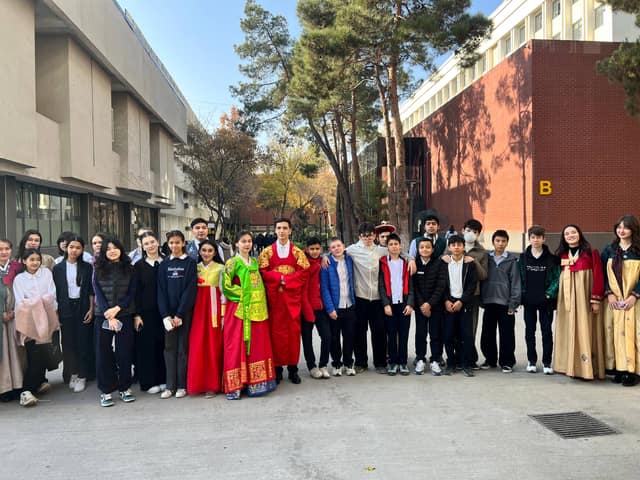
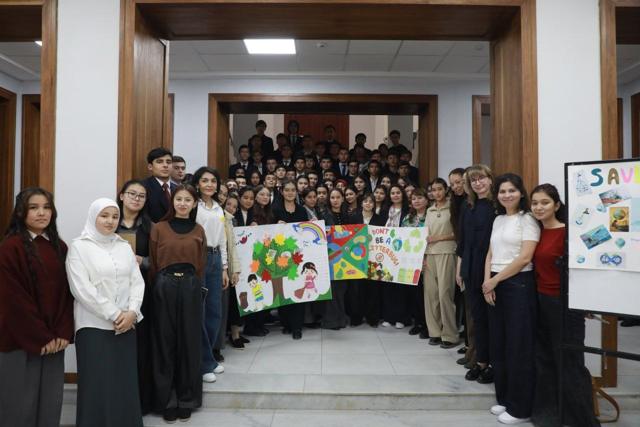
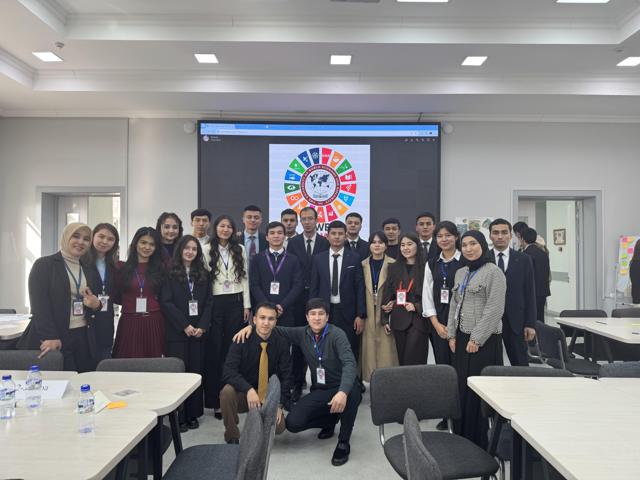
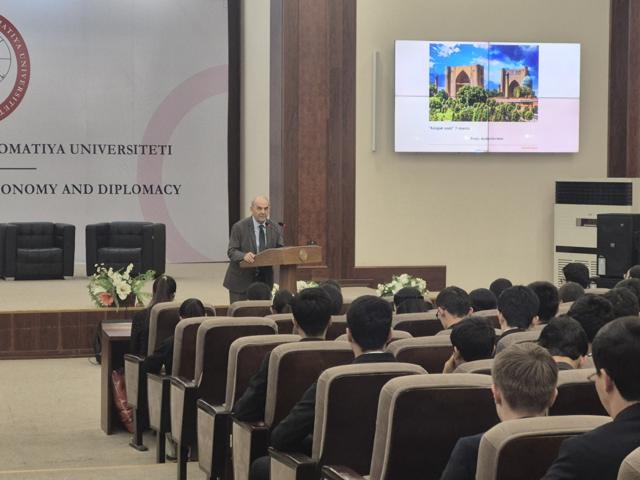
UWED opens its campus to the wider community for learning. On 26 November 2025 it held a Hangul Day open to everyone with free admission, attended by more than 60 people of different ages. The annual Environmental Awareness Day brought pupils from neighbouring schools and communities onto campus, and the Sports Club hosted residents of four neighbouring mahallas. SDG UWED Week seminars admitted students of other Tashkent universities, and UWED hosted international conferences such as BDAIM-2025 and the Constitution and SDGs conference with external scholars, officials and UN agencies.
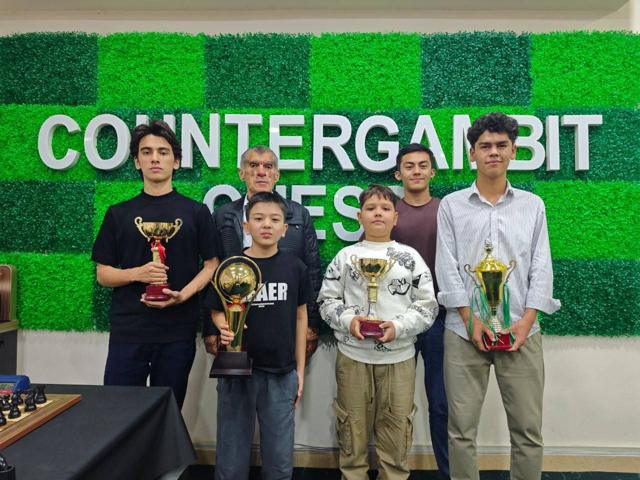
Open community learning events
Seminars and forums with participants from other institutions
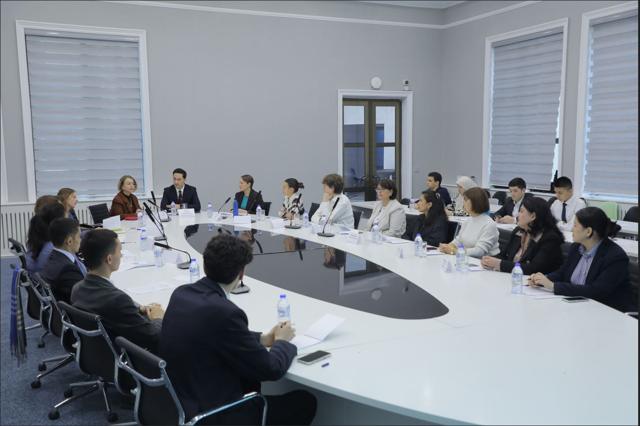
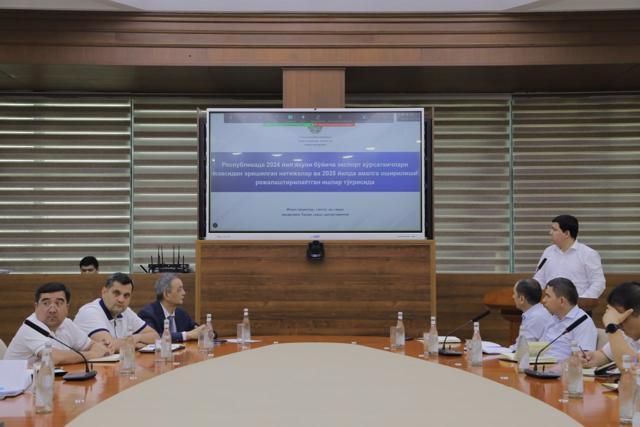
International conferences and expert round tables hosted at UWED
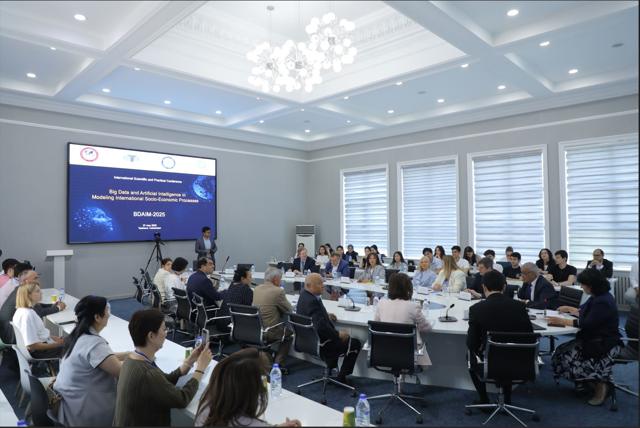
UWED hosted the international scientific and practical conference “BDAIM-2025”
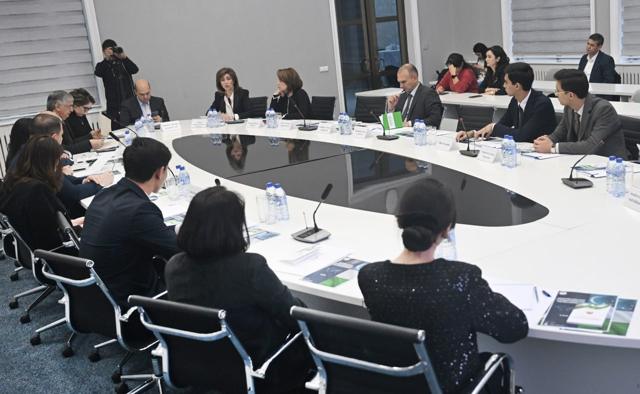
UWED hosts international conference on the Constitution and the Sustainable Development Goals
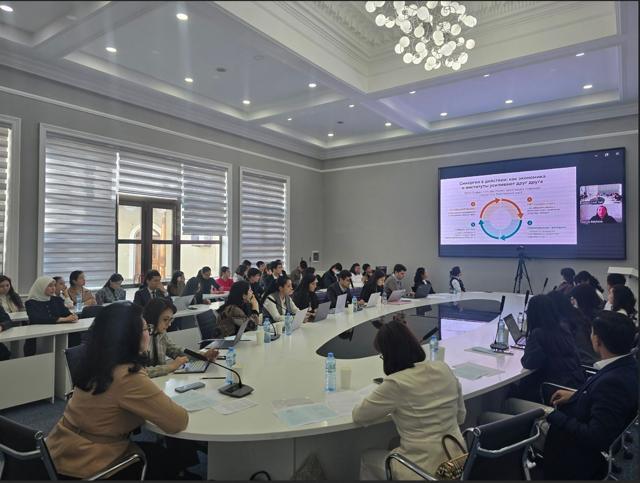
UWED hosted Expert Round Table on “Digital Transformation and Its Impact on Sustainable Development”
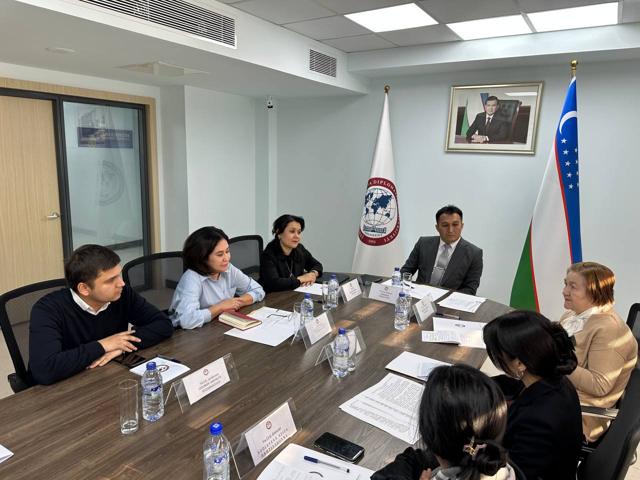
Round table on the 60th anniversary of the Convention on the Elimination of All Forms of Racial Discrimination
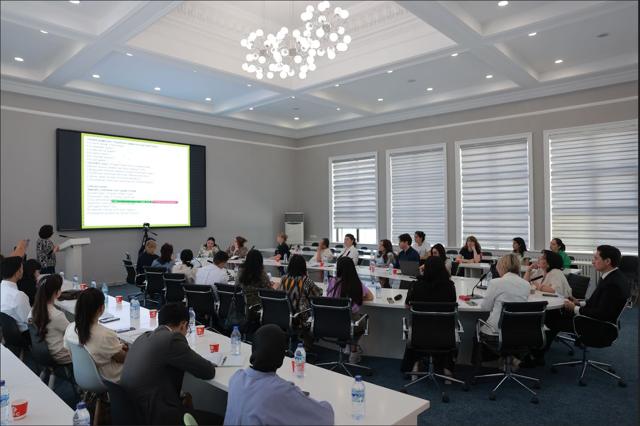
International scientific and practical conference “Problems and Solutions in Teaching Languages in Education”
4.3.3Vocational Training Events
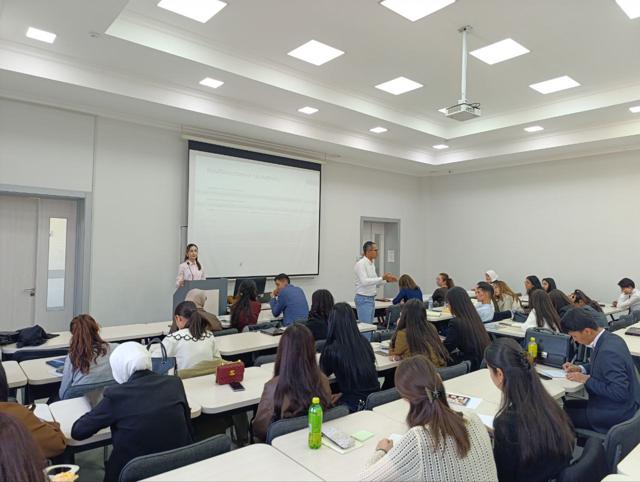
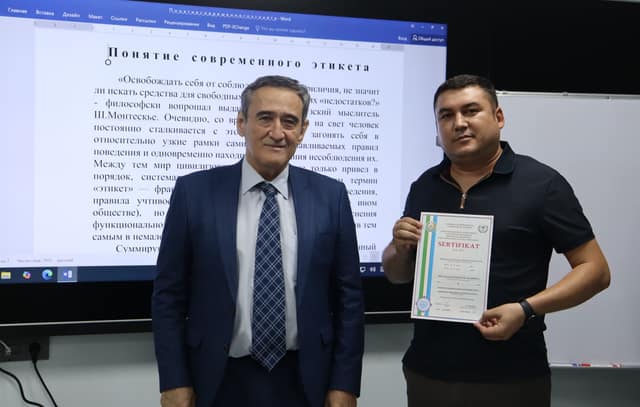
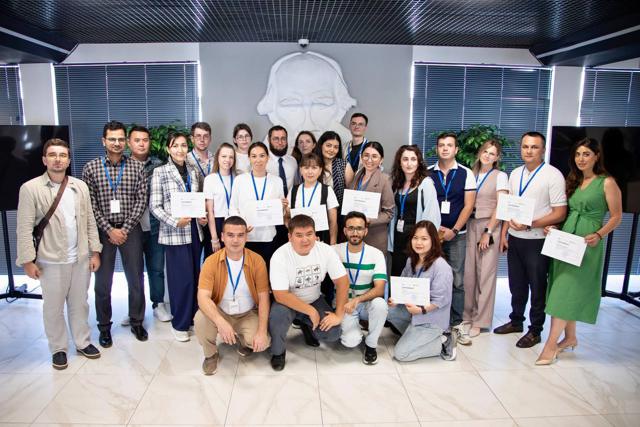
UWED delivers short professional training to people who are not its students. From 7 to 11 July 2025 the Diplomatic Academy at UWED ran a free five-day retraining course in diplomatic protocol, correspondence and negotiation for employees of the state enterprise Uztextreyd, who received certificates. The Faculty of Executive Education runs non-degree programmes for officials and executives, several with partners such as LUISS and Senteo. UWED faculty also train public servants elsewhere, as at the Ministry of Sports in June 2025; externally hosted events like this, and staff training such as the 2025 Summer Institute in Moscow, are shown as context only.
4.3.4Education Outreach Beyond Campus
In 2025 UWED staff and students took learning into Tashkent schools and mahallas. In schools they trained teachers on information security and AI, taught financial literacy to third-graders, ran child-rights activities for blind and visually impaired children, held an SDG Awareness Day at boarding school No. 101 and explained the Constitution to pupils; one visit reached about 100 pupils of School No. 250. In mahallas, faculty held round tables with residents and local leaders on the SDGs, the Constitution and gender equality.
In schools
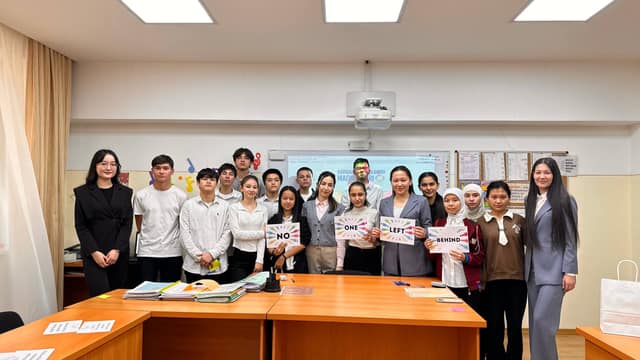
UWED students held “SDG Awareness Day” at boarding school No. 101
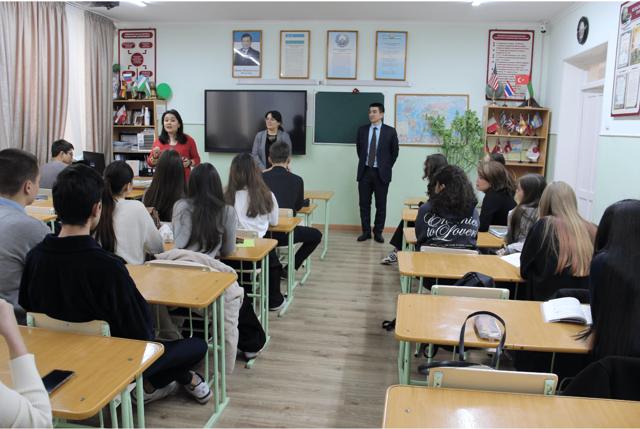
UWED teachers explained the key provisions of the Constitution to schoolchildren
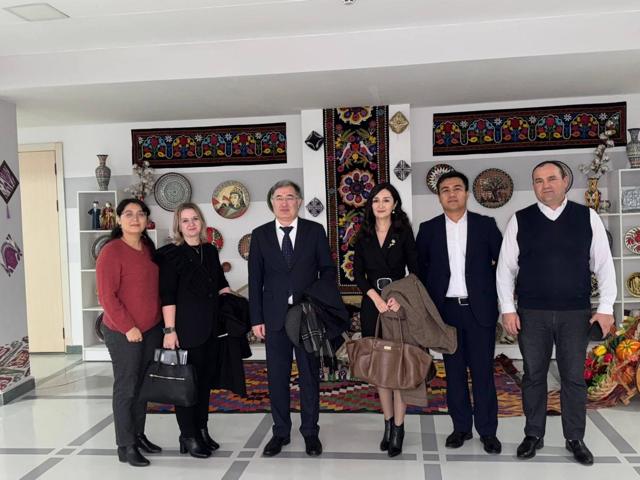
“The Constitution is the Foundation of our State” at Specialized School No. 294
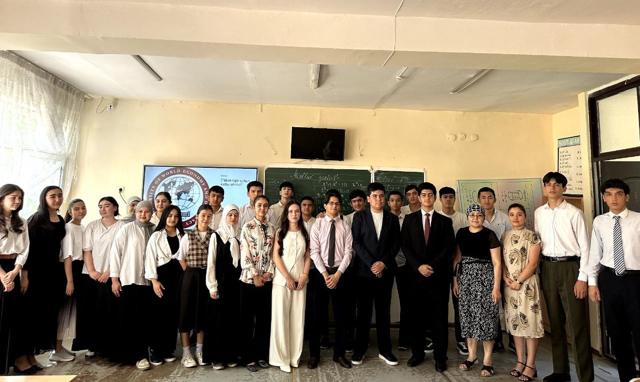
UWED students organized a meeting with schoolchildren
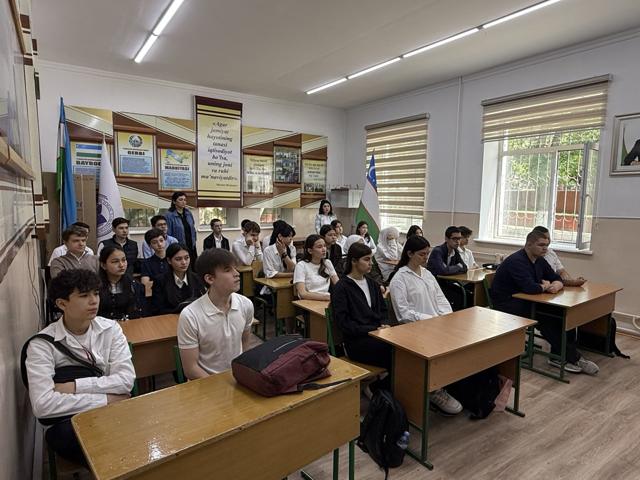
Meeting of UWED students and high school students of Tashkent on the role of education
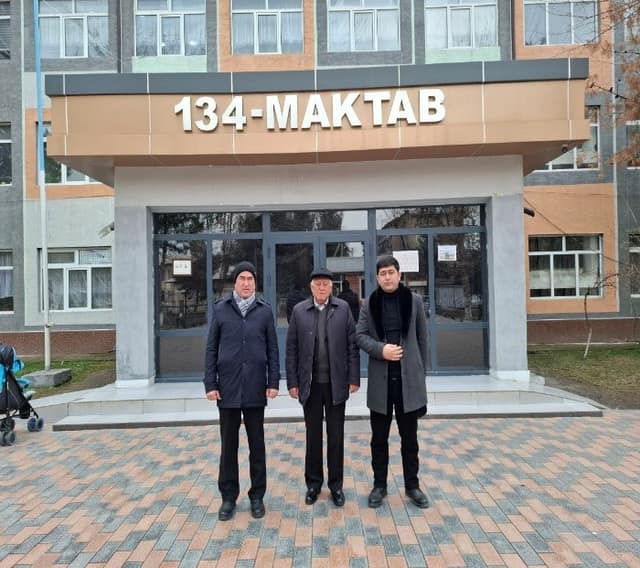
UWED lecturers deliver a seminar-training on cybersecurity, modern IT systems, and artificial intelligence
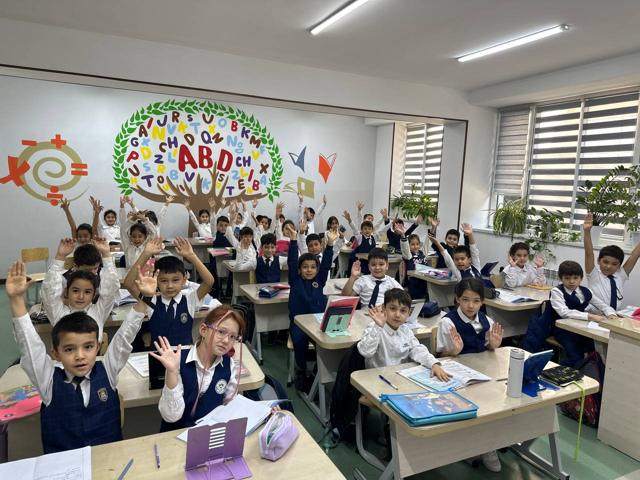
UWED teacher conducted a lesson on financial literacy for schoolchildren
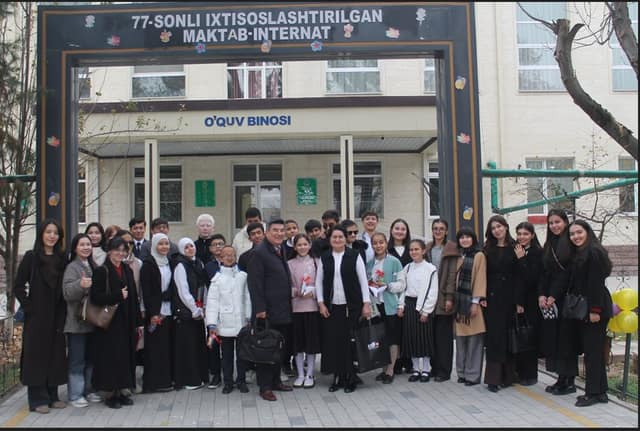
UWED Students Visit a School for Children with Visual Impairments as Part of the “Qaldirg‘och” Project
In mahallas
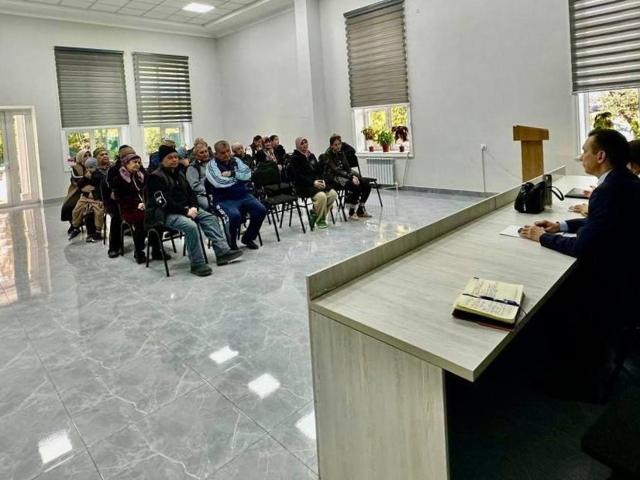
Roundtable “The Role of the Republic of Uzbekistan in Achieving Sustainable Development Goals”
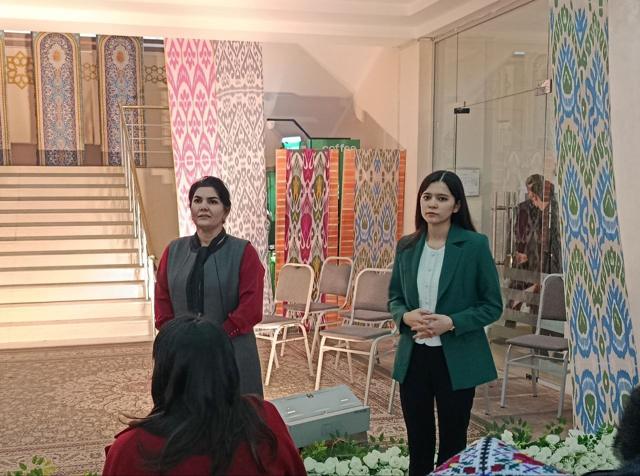
Round table with residents of the “Humoyun” mahalla on the 33rd anniversary of the Constitution
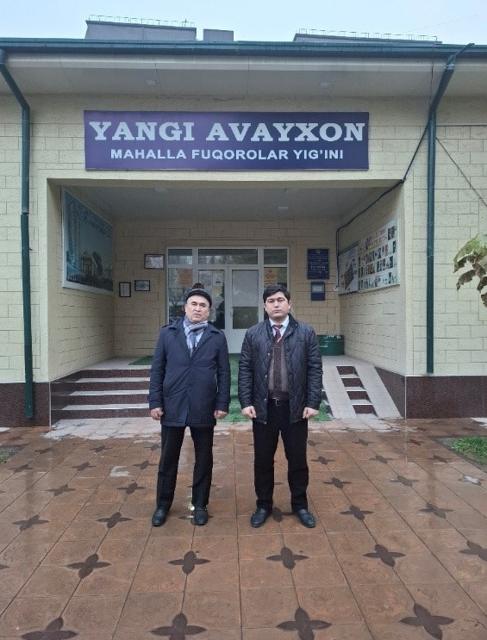
Meeting on cooperation “Family – Mahalla – Educational Institution”
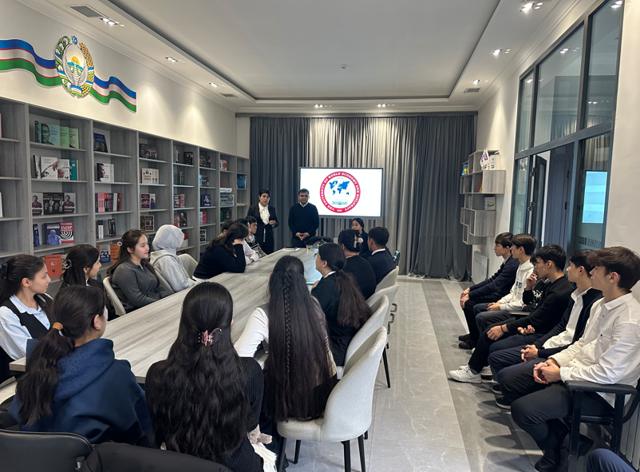
Implementing the SDGs at the Local Level: a practical dialogue on gender equality and social justice
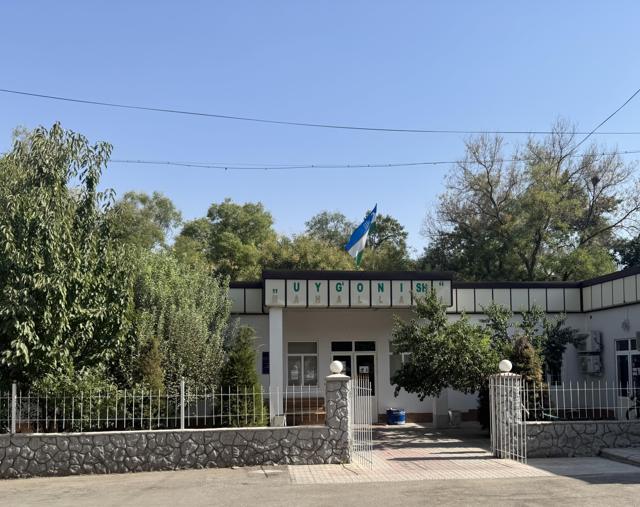
UWED management held a practical meeting on working with youth in “Uygonish” mahalla
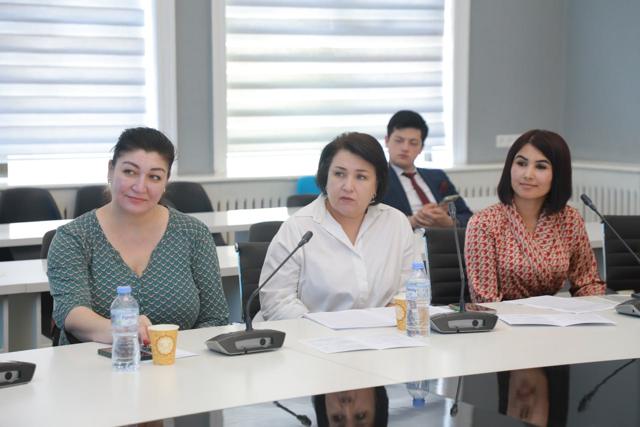
On campus, with schoolteachers
4.3.5Lifelong Learning Access Policy
Equal Access to Lifelong Learning
Learning at UWED is open to everyone. Our Policy on Ensuring Equal Access to Lifelong Learning Opportunities guarantees access to the university's lectures, courses, public events and educational programmes, whoever you are.
Read the Official Inclusive Access PolicyOpen to all, regardless of
Every lecture, course and public event at UWED is open on equal terms.
- Ethnic origin
- Religion
- Disability
- Immigration status
- Gender
Related published documents
Opening Doors to Higher Education
First-generation students are the first in their family to attend university. Their share of new entrants shows how far a university widens access beyond families with a tradition of higher education.