UWED Hosts Discussion on Teaching and Implementing International Humanitarian Law
UWED Hosts Discussion on Teaching and Implementing International Humanitarian Law
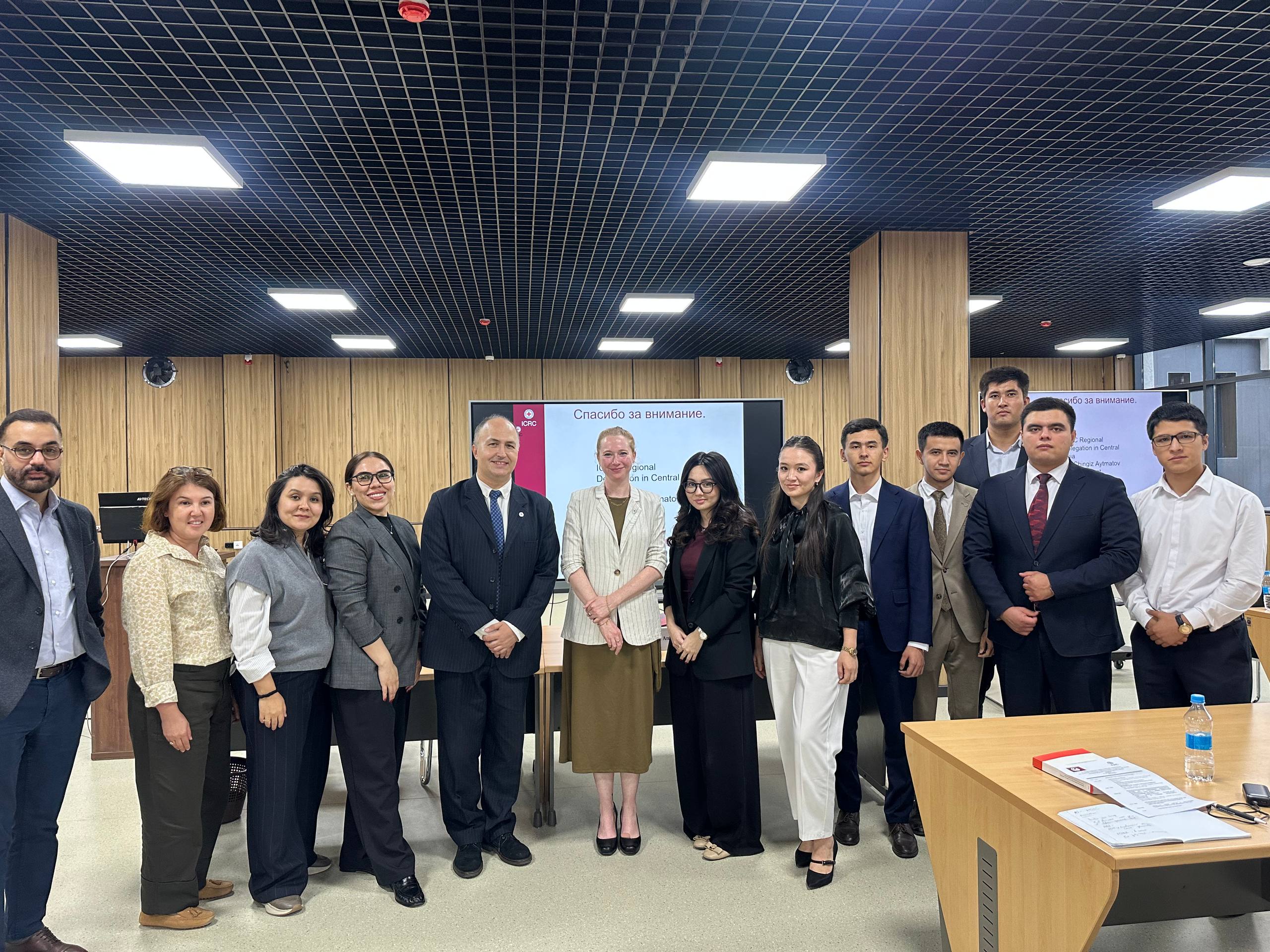
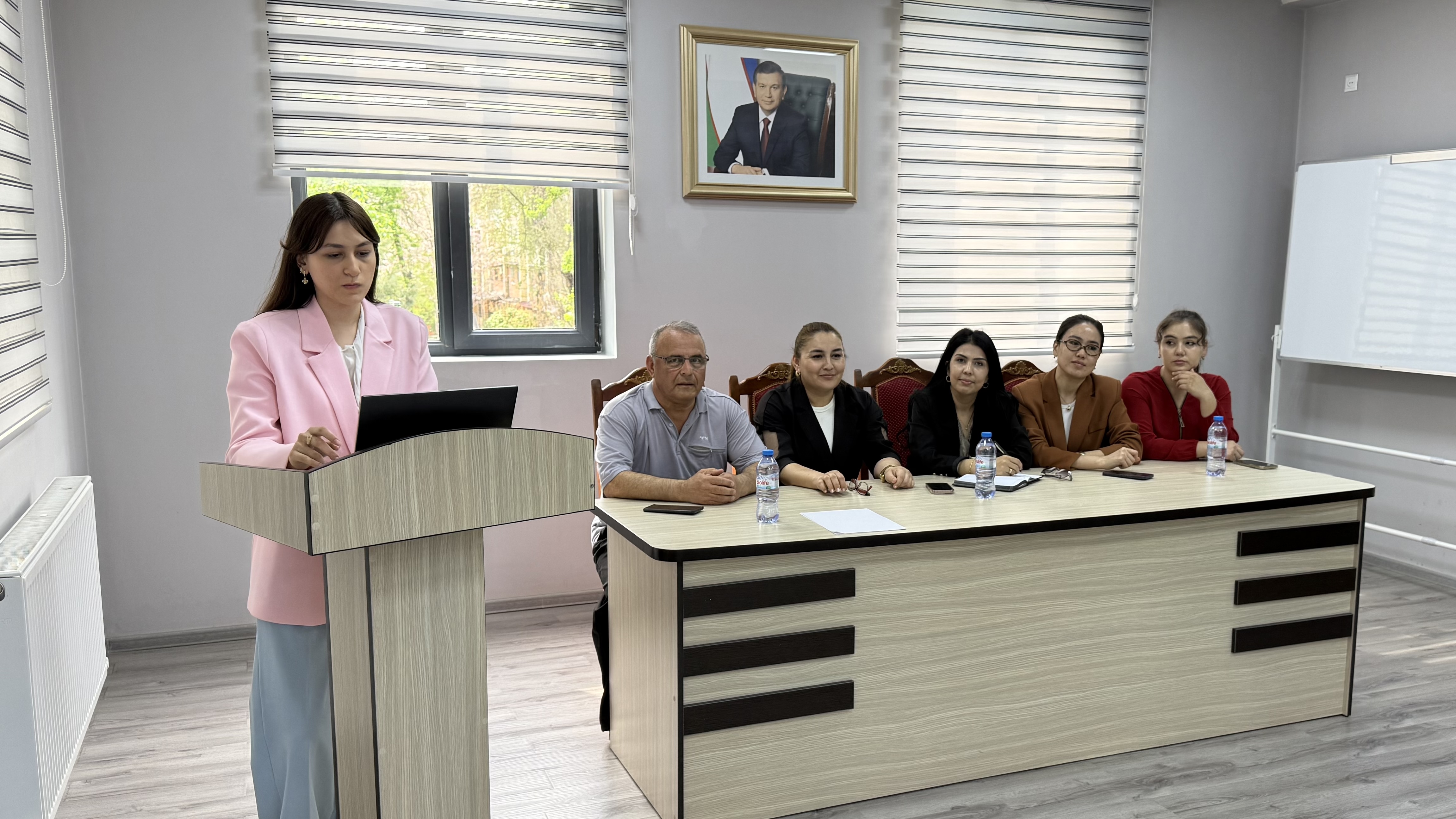
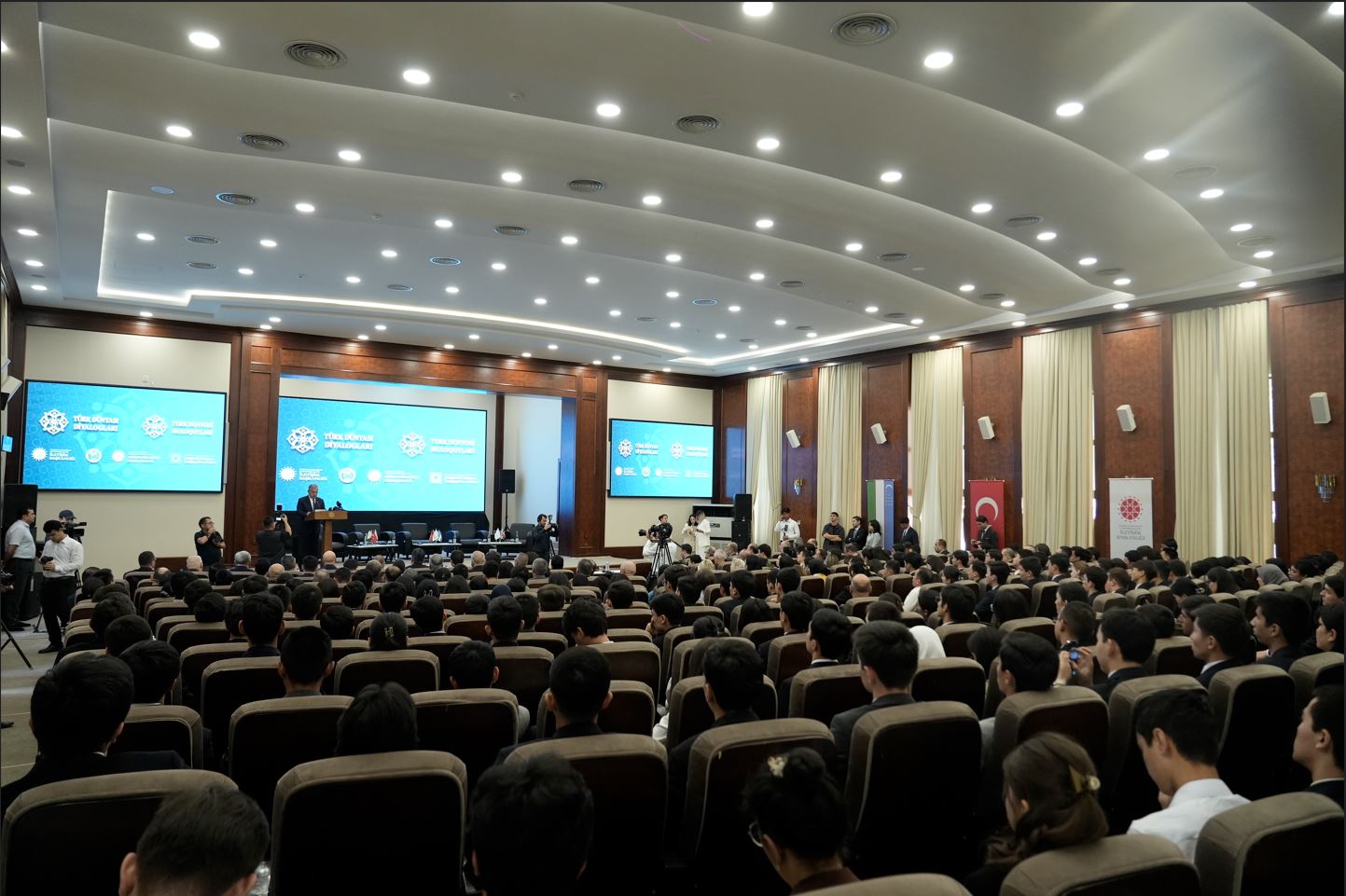
On 29 September 2026, the University of World Economy and Diplomacy hosted a roundtable entitled “Current Issues in the Teaching and Implementation of International Humanitarian Law”, organised in cooperation with the Regional Delegation of the International Committee of the Red Cross (ICRC) in Central Asia. Held under the joint Action Plan between the ICRC and the National Centre of the Republic of Uzbekistan for Human Rights, the event was dedicated to the Fifth Samarkand Human Rights Forum. University faculty members, researchers and students attended the roundtable.
The discussion was moderated by Shirin Khamdamova, Associate Professor in UWED’s Department of International Law and Public Law Disciplines. She emphasised that the effective application of international humanitarian law depends largely on the knowledge and professional training of future lawyers and diplomats. Marat Aminov, Legal Adviser to the ICRC’s Regional Delegation in Central Asia, outlined the organisation’s mandate, its activities in the region and its cooperation with higher education institutions in Uzbekistan.
Vanessa Murphy, Legal Adviser at the ICRC’s headquarters in Geneva, delivered a presentation on the challenges facing international humanitarian law in contemporary armed conflicts. She addressed the application of international humanitarian law to new military technologies, cyber operations, autonomous weapon systems and the military use of artificial intelligence. The presentation also highlighted the importance of conducting legal reviews of new weapons and methods of warfare, ensuring the delivery of humanitarian assistance to affected populations and protecting humanitarian personnel.
Participants were introduced to ICRC resources supporting the teaching of international humanitarian law and its implementation in national legislation. These included the organisation’s Advisory Service on International Humanitarian Law, relevant databases, teaching materials, online courses and student competitions. Particular attention was paid to the place of international humanitarian law in university curricula and to practice-oriented teaching methods.
| Date: | 29.09.2026 |
| Views: | 52 |
| Share: |