Georgetown University Master's Student and Research Fellow at the Institute for the Study of Diplomacy’s Bunker Collegium Delivers Master Class at UWED
Georgetown University Master's Student and Research Fellow at the Institute for the Study of Diplomacy’s Bunker Collegium Delivers Master Class at UWED
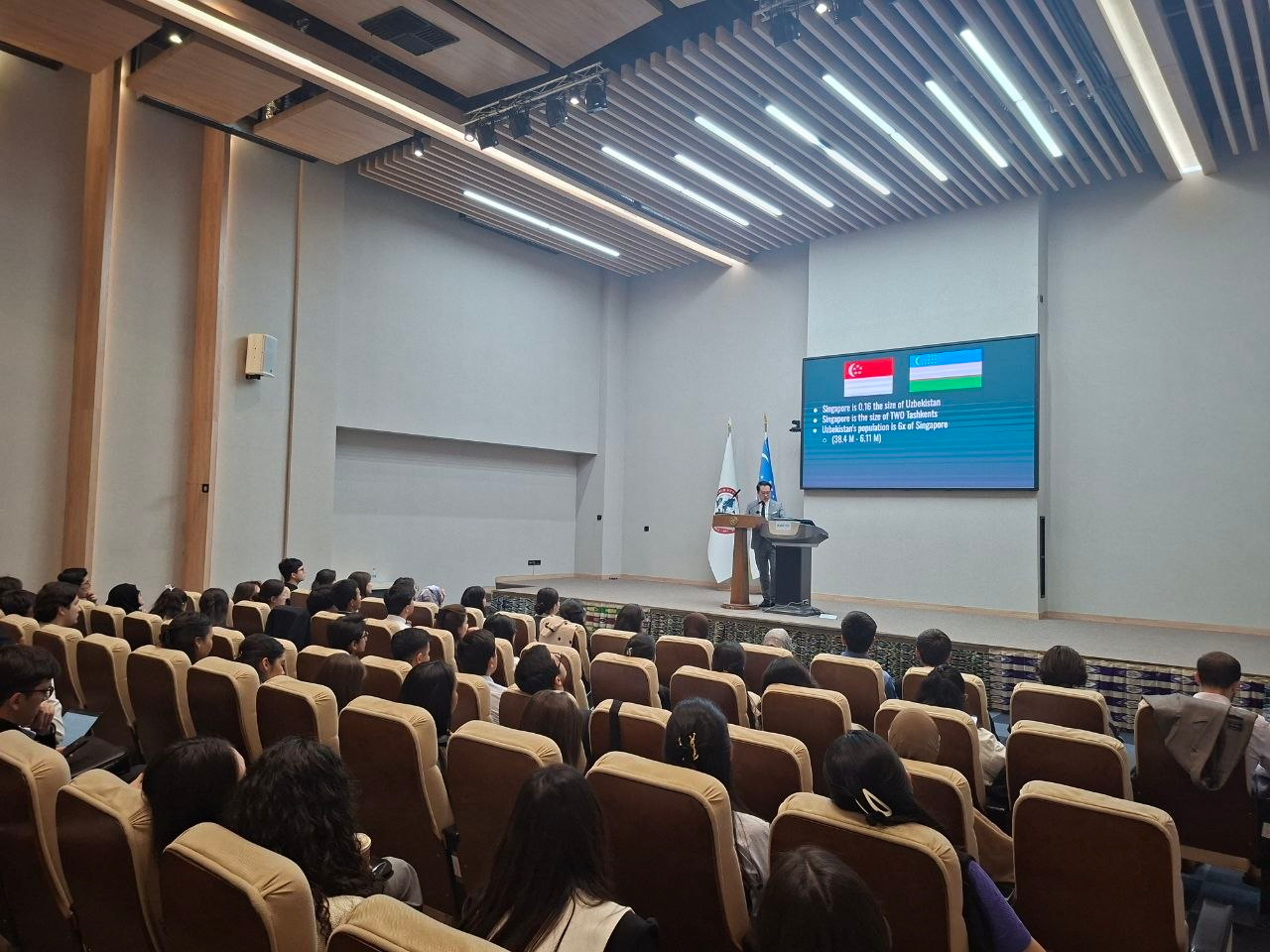
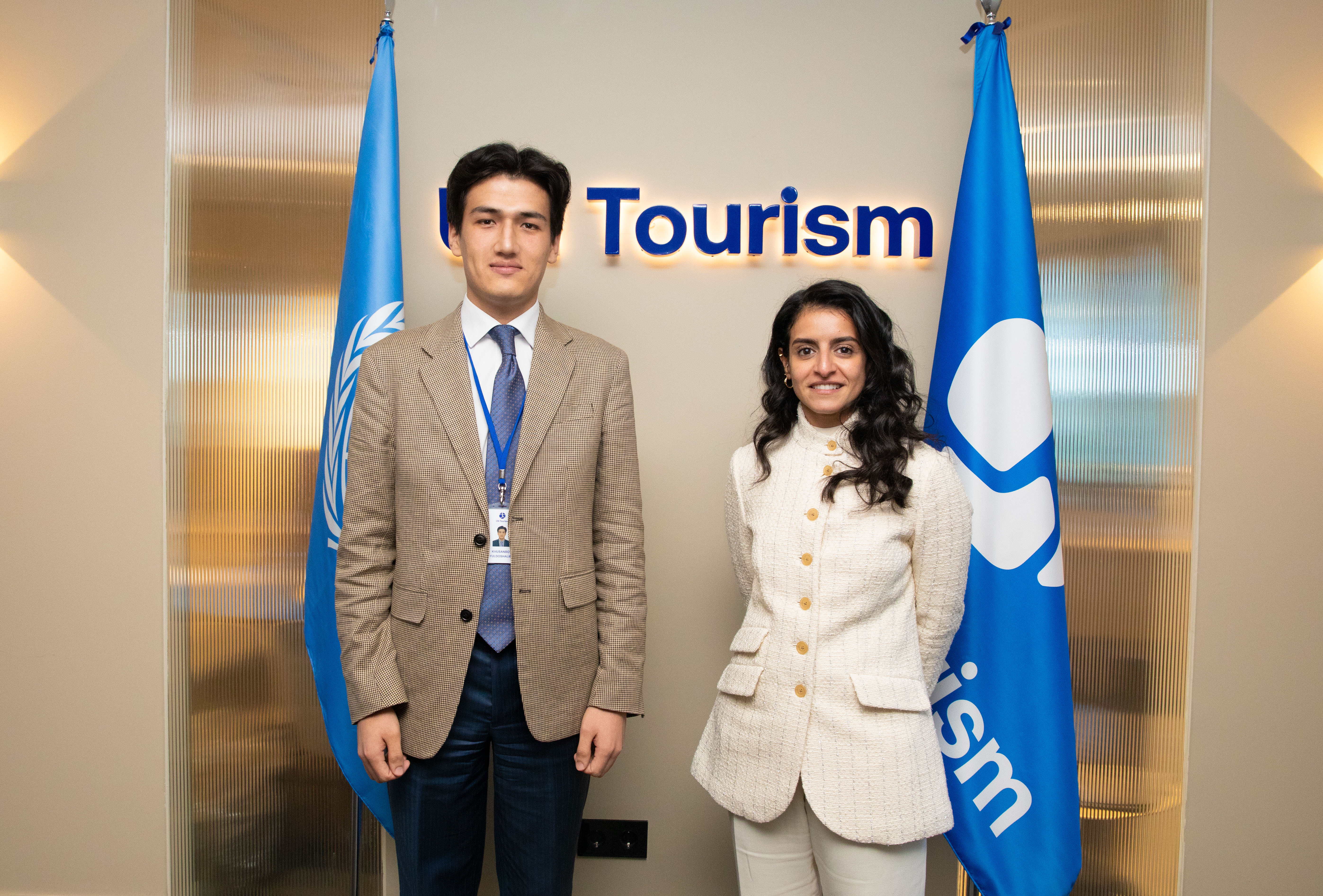
The University of World Economy and Diplomacy (UWED) hosted a master class on “Singapore's History and Lessons for New Uzbekistan”. The lecturer was Nigel Lee, a master's student at Georgetown University and a research fellow at the Bunker Collegium of the Institute for the Study of Diplomacy.
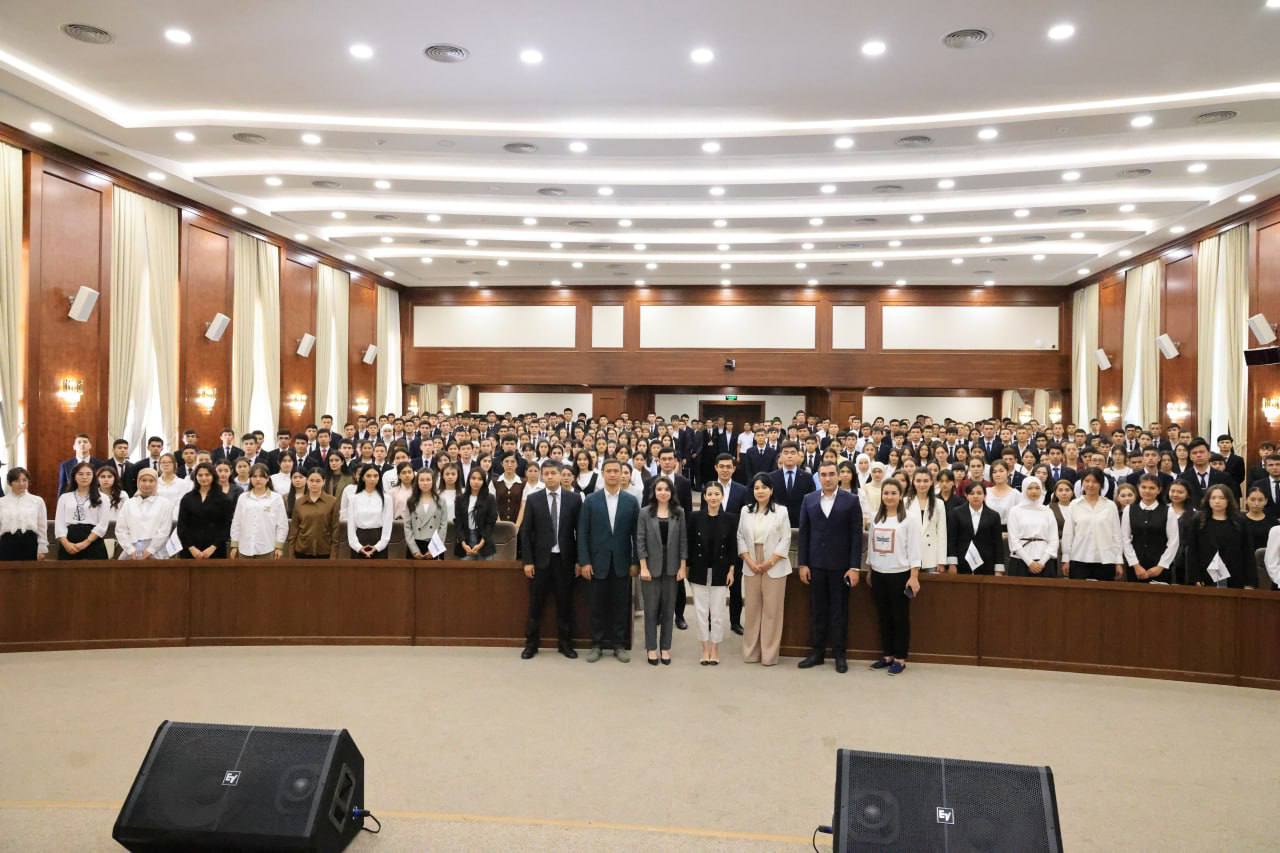
The event was organized by the Department of International Economics for second-year students of the Faculty of International Economics and Management as part of their Macroeconomics course. The lecture was attended by the Head of the Department, Laylo Tashpulatova, as well as instructors Andrew Gundal and Khulkar Karimova.
In his presentation, Nigel Lee analyzed Singapore's transformation from a low-income country into a highly developed economy. He identified the key success factors as the pragmatic leadership of Lee Kuan Yew, economic openness, investment in human capital, and the effectiveness of state institutions.
The lecturer paid special attention to the role of multiculturalism in ensuring stability, as well as to anti-corruption policies, meritocracy, and a "self-reliance" defense principle. These measures, he noted, have strengthened national unity and public trust in institutions.
Drawing parallels with Uzbekistan, the speaker emphasized that despite differences in historical context, the key principles of the Singaporean model—strong institutions and quality governance can be valuable for the continued sustainable development of New Uzbekistan.
| Date: | 22.04.2026 |
| Views: | 1083 |
| Share: |