UWED Student Presents Research at the Central Asia Experts Forum
UWED Student Presents Research at the Central Asia Experts Forum
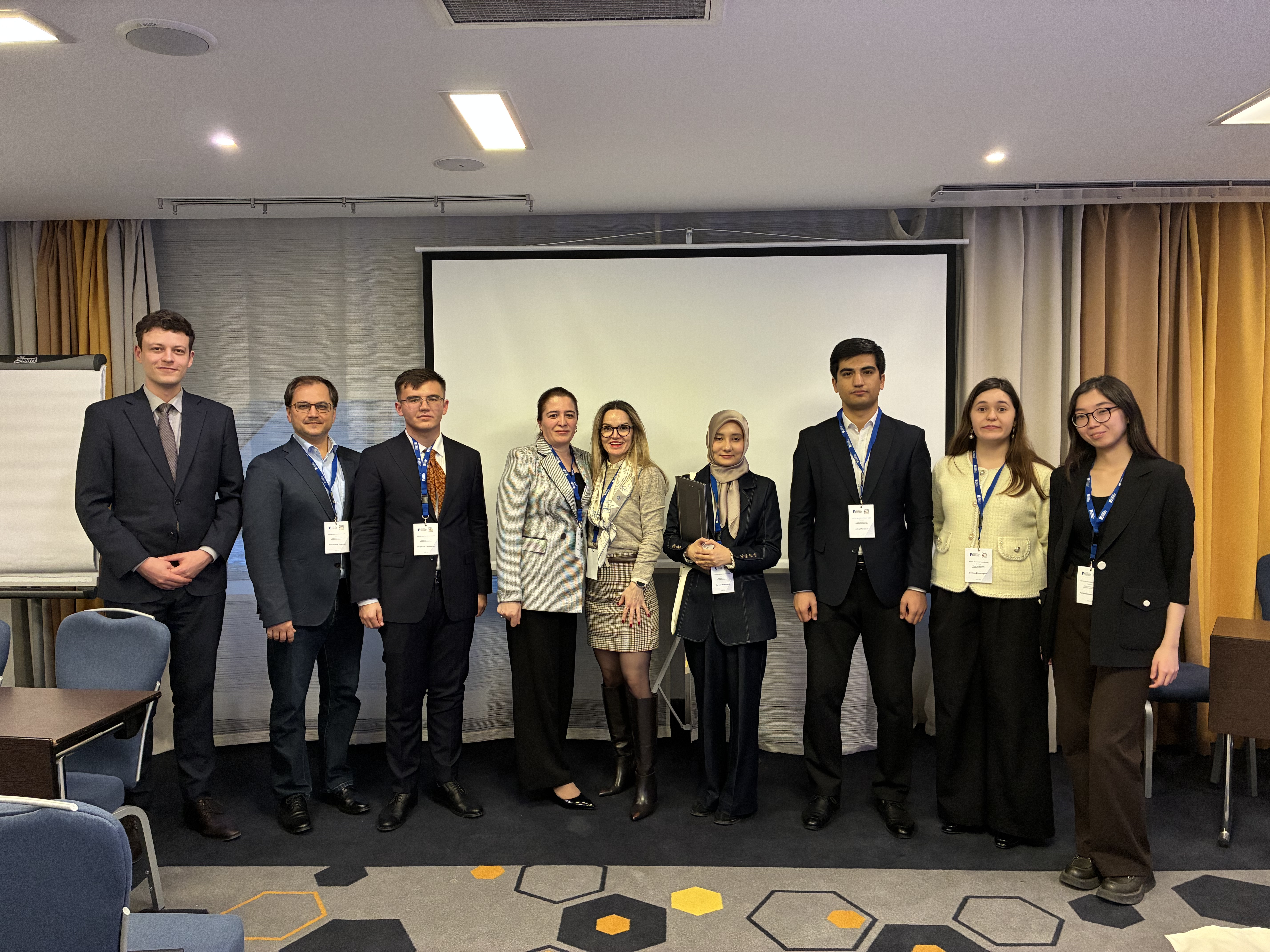
On November 13–14, Ubaydullo Khojabekov, a fourth-year student at the University of World Economy and Diplomacy (UWED), participated in the Central Asia Experts Forum held in Astana, Kazakhstan. The event was jointly organized by the German-Kazakh University and the Konrad Adenauer Foundation.
The forum brought together researchers, experts, and scholars to discuss ongoing political, economic, and strategic developments in Central Asia, exchange perspectives on pressing regional challenges, and promote academic cooperation.
During the forum, U.Khojabekov presented the preliminary findings of his research examining the political and geopolitical dimensions of proposals to divert the flow of Siberian rivers towards Central Asia. His study focused on analyzing the various narratives surrounding this large-scale initiative, exploring its political and geopolitical interpretations, and examining its place within broader regional discussions.
Although some experts regard the idea of diverting Siberian rivers to Central Asia as technically and politically challenging, or even utopian, the proposal continues to raise important questions concerning regional water security, climate change, environmental cooperation, and the future of relations between Russia and Central Asian countries.
According to the young researcher, the significance of such ambitious initiatives extends beyond their practical feasibility. Even projects with uncertain prospects for implementation can influence geopolitical discourse, strategic thinking, and the development of regional political agendas. From this perspective, examining such proposals represents a valuable area of academic inquiry.
Participation in the forum provided Ubaydullo Khojabekov with an opportunity to present his research to an international academic audience, engage in meaningful discussions with experienced scholars and experts, and receive constructive feedback on his work. He also gained valuable insights into different academic approaches to analyzing regional developments.
His participation demonstrated that undergraduate students can actively contribute to international academic discussions, pursue independent research, and present their own perspectives on complex contemporary issues, even before completing their university studies.
| Date: | 17.11.2026 |
| Views: | 31 |
| Share: |