UWED Lecturer Completes Professional Development Programme at the Tata Institute Of Social Sciences in India
UWED Lecturer Completes Professional Development Programme at the Tata Institute Of Social Sciences in India
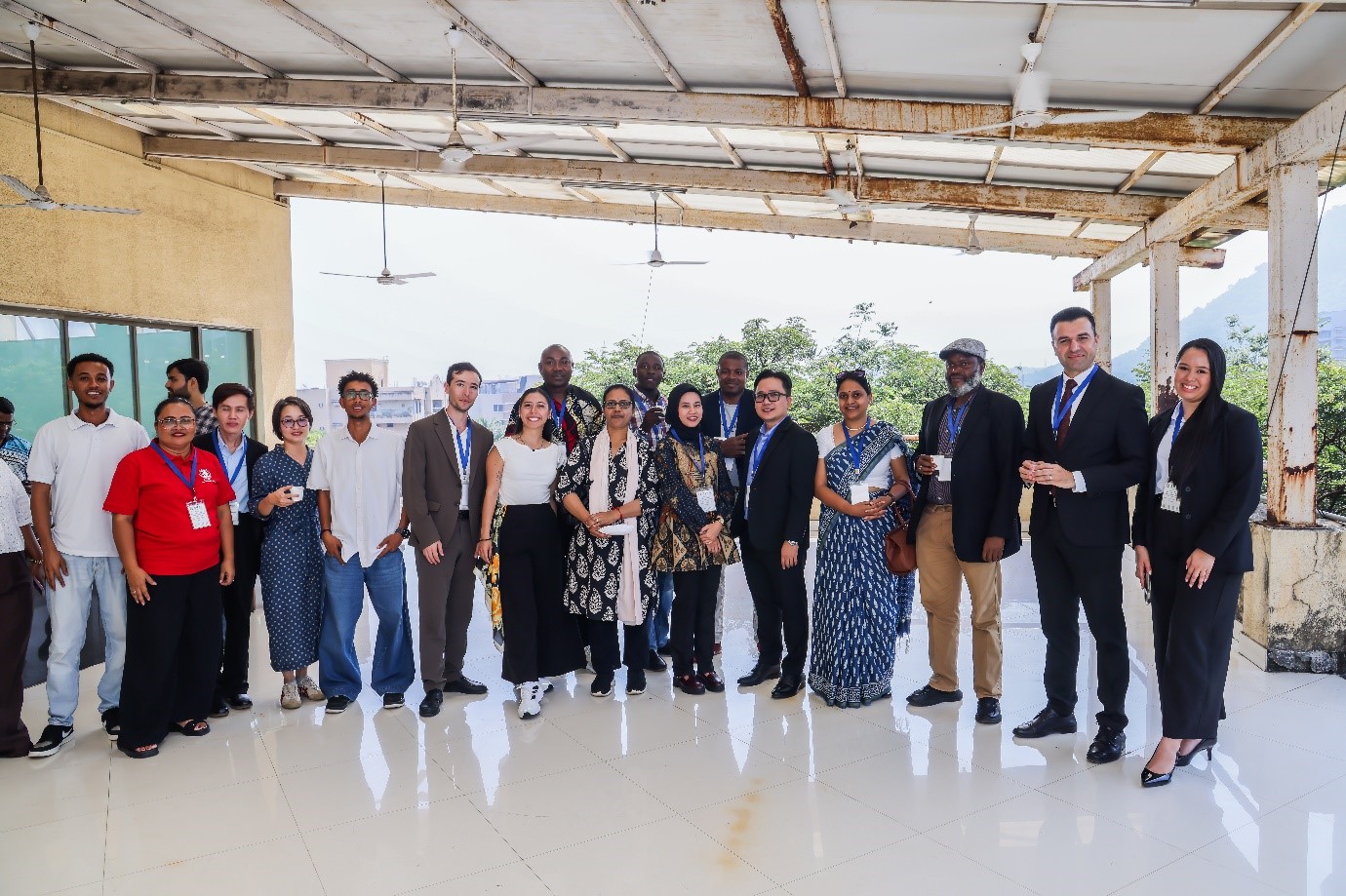
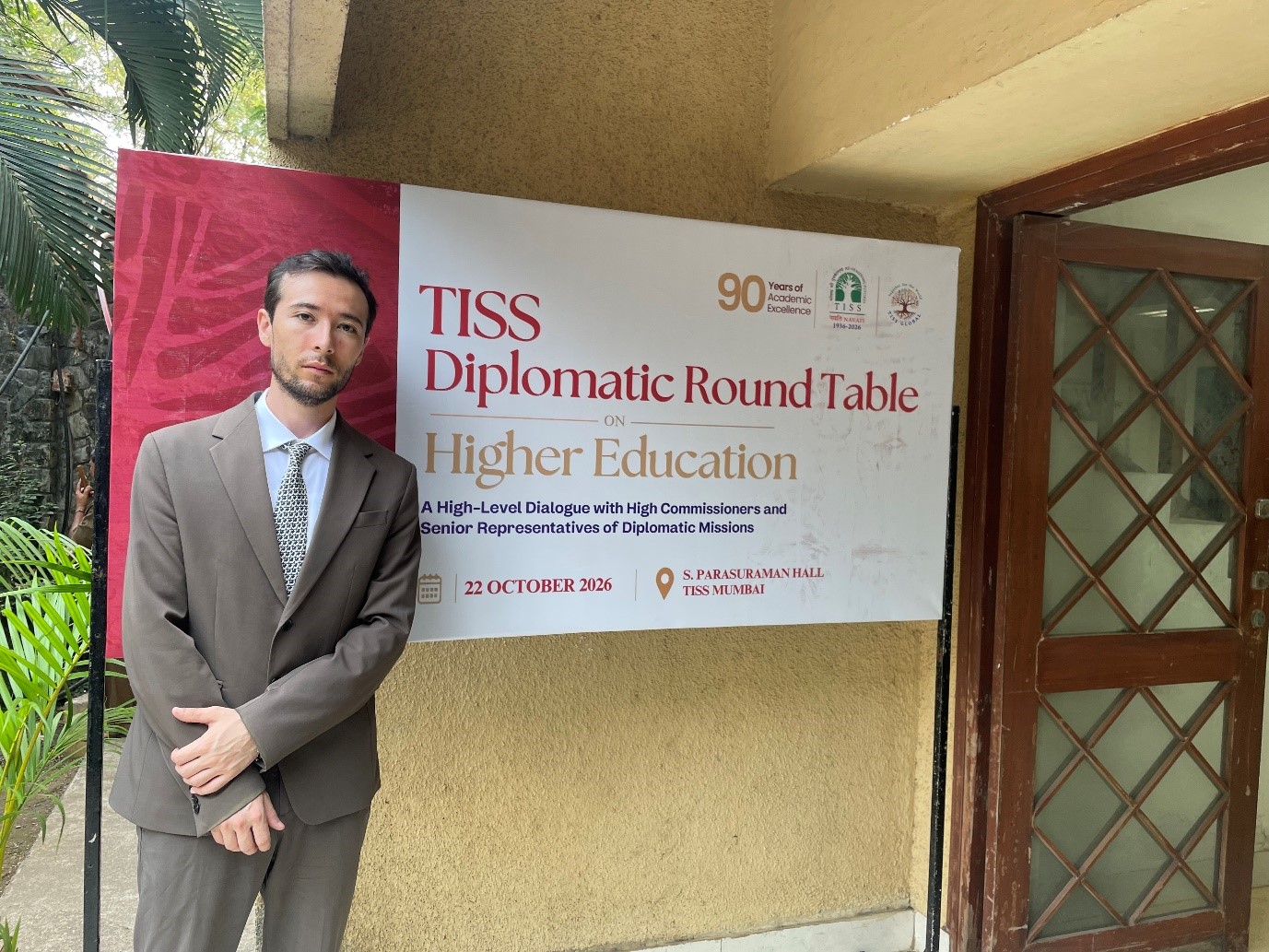
From 14 to 27 October 2026, Alisher Bobonazarov, lecturer at the Department of Civil Law and International Private Law Disciplines of the University of World Economy and Diplomacy (UWED), took part in a two-week professional development programme on “Higher Education Administration” held at the Tata Institute of Social Sciences (TISS) in Mumbai, India. The programme was organized under the Indian Technical and Economic Cooperation (ITEC) Programme of the Ministry of External Affairs of India, in cooperation with the Office for International Affairs of TISS. Established in 1964, ITEC is one of the oldest institutionalized capacity-building arrangements in the world, having trained more than 200,000 officials from over 160 countries to date. The programme's main objective was to deepen participants' knowledge and skills in the administration, strategic planning and internationalisation of higher education institutions.
The programme was organized at a high level, combining theoretical knowledge with practical skills. Of the total 100 hours of training, 60 hours were devoted to classroom sessions and 40 hours to seminars, workshops and field visits providing hands-on experience. Classes were delivered by professors of TISS and other leading higher education institutions, and the curriculum was built around three core themes: governance, leadership and strategic planning in higher education institutions; innovation and community engagement; and the internationalisation of higher education.
Within the first theme, participants discussed models of governance in higher education institutions, transparency in administrative processes, and cooperation with stakeholders. Professor Arvind Tiwari of the TISS School of Law, Rights and Constitutional Governance spoke on effective governance, internal policy and documentation challenges in higher education institutions. Satish Pradhan, former head of human resources at the Tata Group, shared his experience on leadership in higher education, while Dr. Prem Prakash Pathak led a two-part session on ethics, values and leadership. Sessions were also devoted to improving institutional performance through data and indicators, modern pedagogical models, and the historical development and quality-assurance system of higher education in India, presented by Professor Ashish Pandey of IIT Bombay.
The second theme examined the impact of innovation on higher education institutions and ways of building community engagement. Professor Madhushree Sekher, Dean of the TISS School of Vocational Education, spoke on integrating vocational and higher education, while Dr. Aparna Joshi of the TISS School of Human Ecology presented the “iCall” initiative, a community-based project supporting public mental health.
The third theme, devoted to the internationalisation of higher education, covered models such as mobility programmes, joint degree programmes and branch campuses, along with their benefits and challenges for students, faculty and institutions. Aastha Bajracharya, Senior Manager at the Office for International Affairs, shared her experience in managing internationalisation processes, while Dhiraj Mehra, Director of the Notre Dame University Mumbai Centre, spoke on international cooperation and global partnerships.
The programme was not limited to classroom sessions and included practical and cultural components as well. Field visits were organized to the Indian Institute of Science Education and Research (IISER) Pune on 16 October and to the Whistling Woods Institute on 23 October. The programme also included a tour of the TISS campus, the “Namaste India” cultural orientation session, and a city tour of Mumbai, and concluded on 27 October with a closing seminar and farewell lunch.
The knowledge and skills gained during the programme are an important contribution to professional development, deepening expertise in the administration, institutional governance, legal foundations and quality assurance of higher education institutions, as well as broadening professional ties with specialists from different countries. The programme served as a valuable platform for knowledge exchange and for strengthening international cooperation in the field of higher education.
| Date: | 28.10.2026 |
| Views: | 80 |
| Share: |