SDG 5 – Gender Equality: Round Table on Empowering Women in the Mahalla
SDG 5 – Gender Equality: Round Table on Empowering Women in the Mahalla
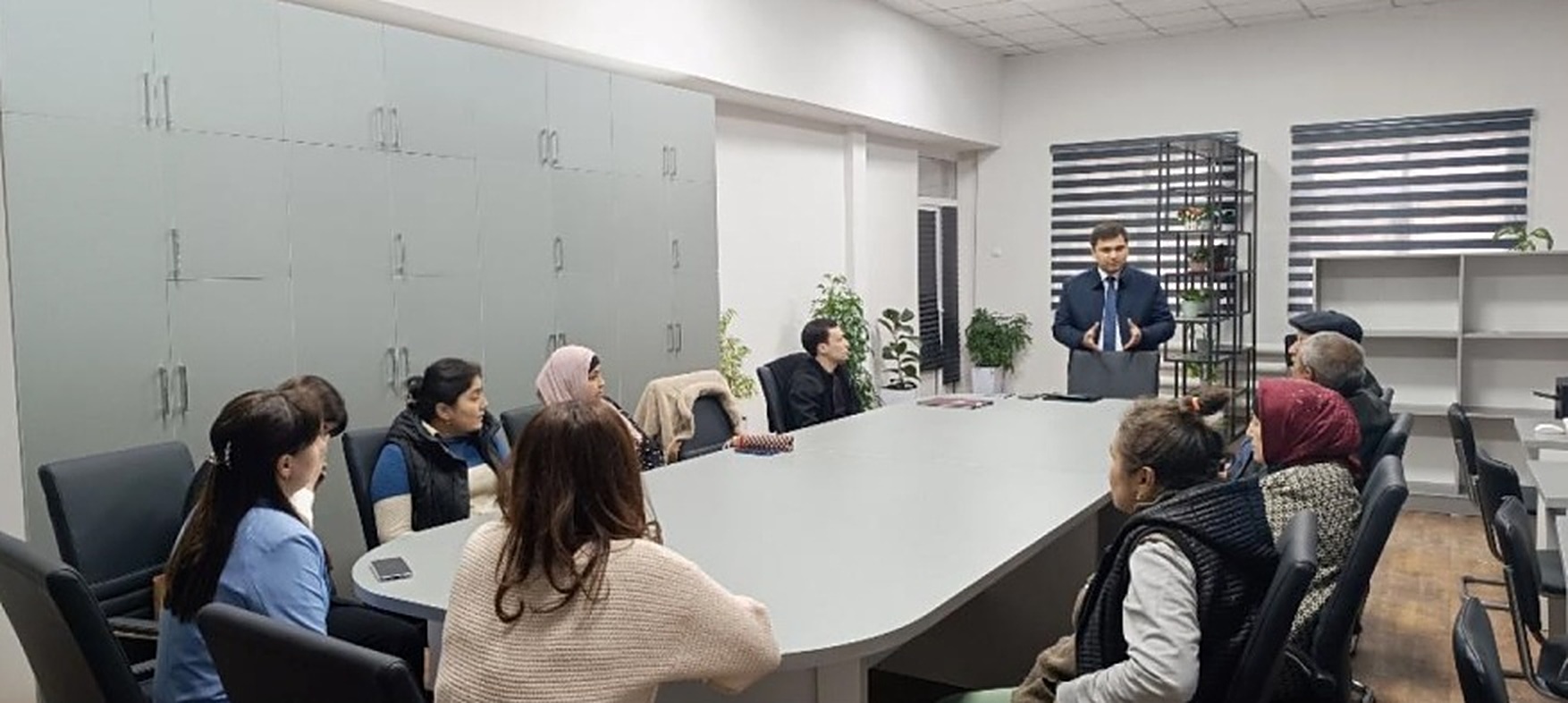
On 5 March 2026, Associate Professors Z. Israilova, Sh. Khamdamova and D. Soliyev of the Department of International Law and Public Law Disciplines at the University of World Economy and Diplomacy held a round table at the “Navnihol” mahalla in Mirzo Ulugbek district, Tashkent. The topic was “Ways to Expand Women’s Rights and Opportunities in the Mahalla and Advance Gender Equality.” The mahalla chairman, H. Sattarov, and local community members took part.
The speakers stressed that gender equality matters not only legally but also socially and culturally. They noted that the principle is enshrined in the Universal Declaration of Human Rights and the Convention on the Elimination of All Forms of Discrimination against Women, and that Sustainable Development Goal 5 is dedicated to achieving gender equality. They also explained that the 2019 Law “On Guarantees of Equal Rights and Opportunities for Women and Men” and the relevant articles of the Constitution form the legal foundation of gender policy in Uzbekistan.
Residents received explanations on the organizational and legal basis for ensuring gender equality at the mahalla level; expanding equal opportunities for women in education, healthcare, employment and entrepreneurship; the social and moral factors in supporting women’s initiatives; and ways to overcome gender stereotypes and promote equality in public attitudes.
The speakers highlighted that the mahalla, as the institution closest to people’s daily lives, has great potential to protect women’s rights and involve them in public life. Participants discussed the role of the women’s activist position in the mahalla and ways to strengthen women’s economic independence through microcredit, crafts and vocational courses. The session ended with answers to residents’ questions.
In conclusion, participants agreed on the need to make gender equality work at the mahalla level systematic and to establish an effective system for monitoring its implementation.
| Date: | 05.03.2026 |
| Views: | 6 |
| Share: |