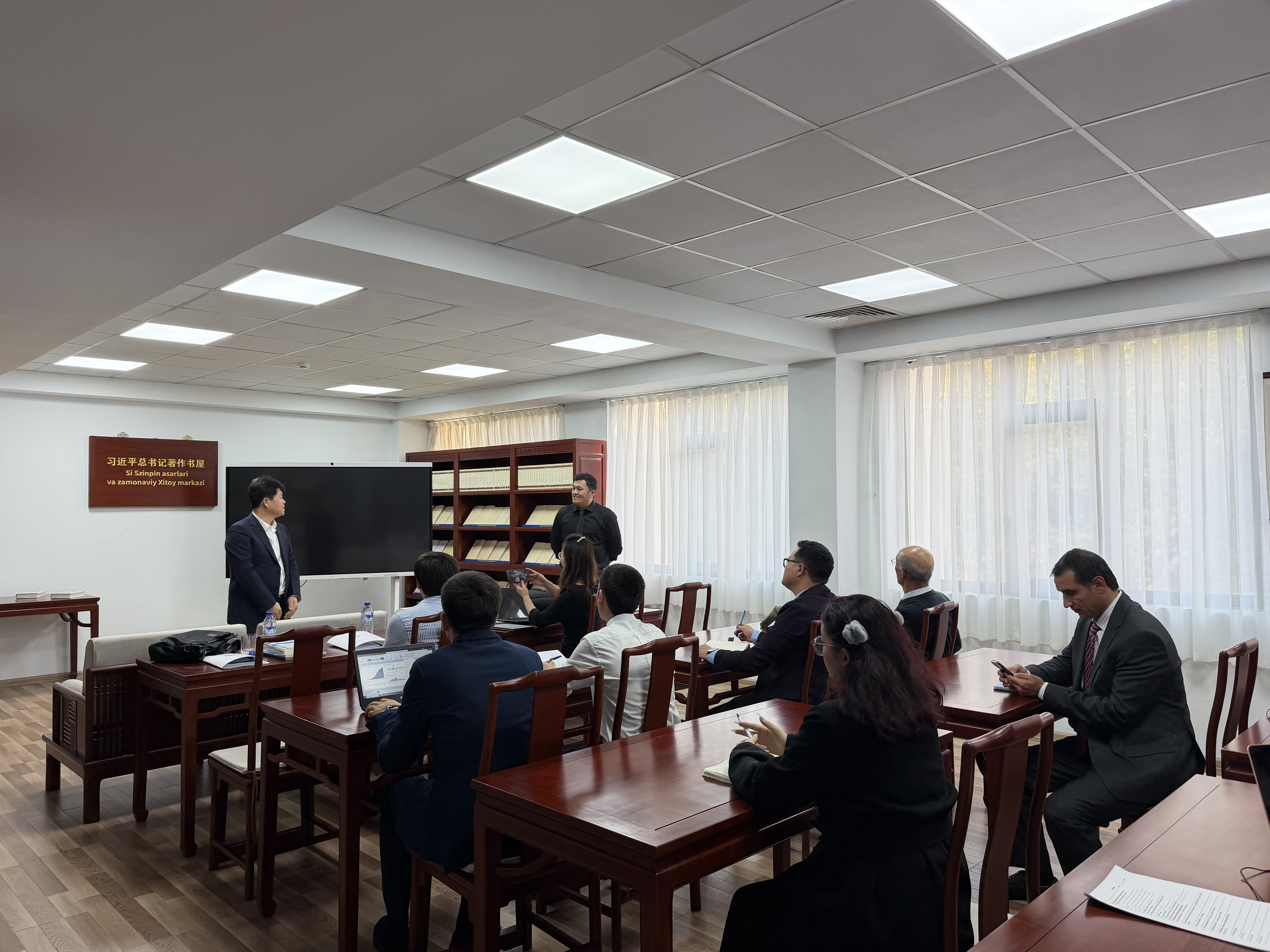
UWED hosted a meeting with the Chair of the 21st session of the United Nations Forum on Forests
UWED hosted a meeting with the Chair of the 21st session of the United Nations Forum on Forests

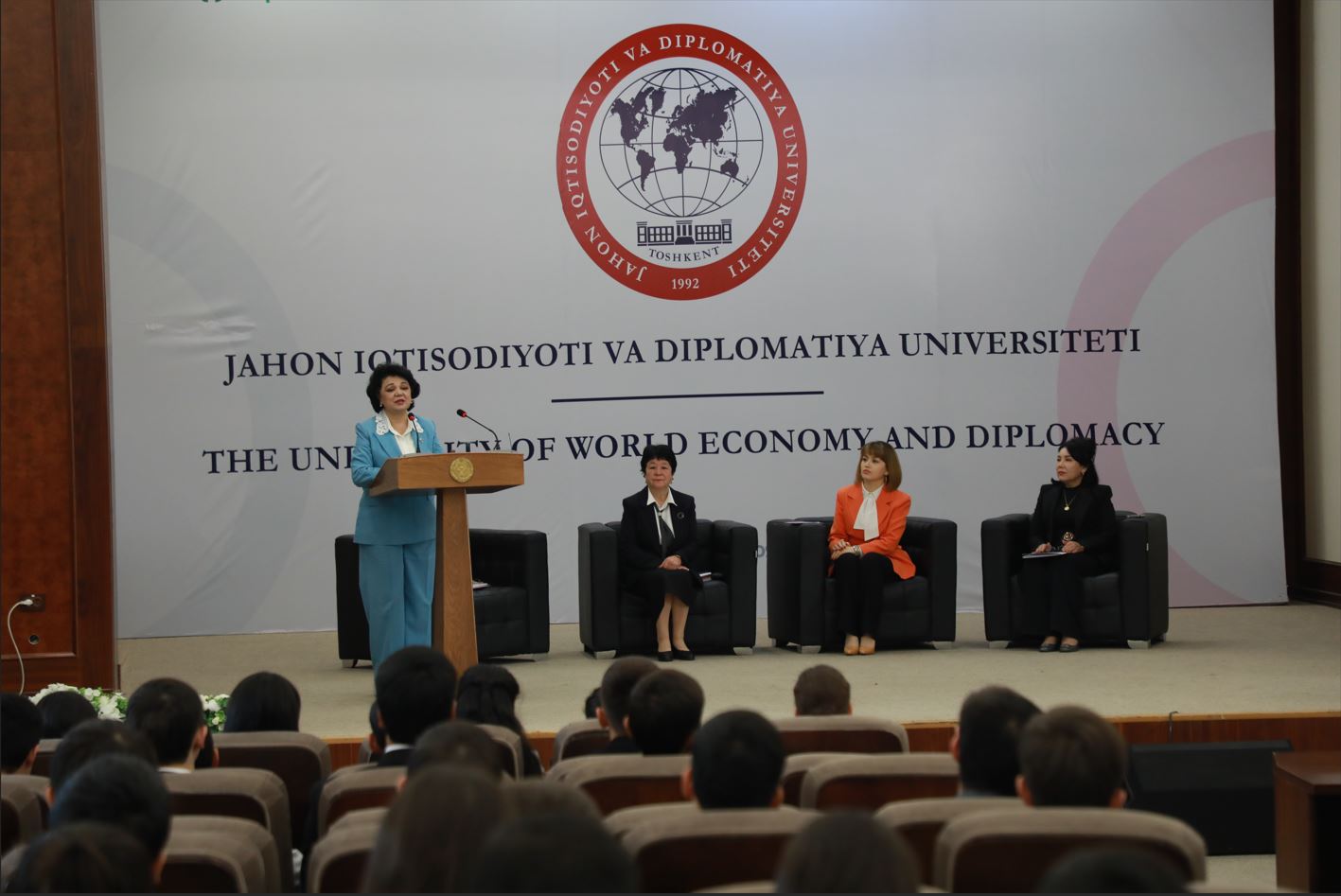
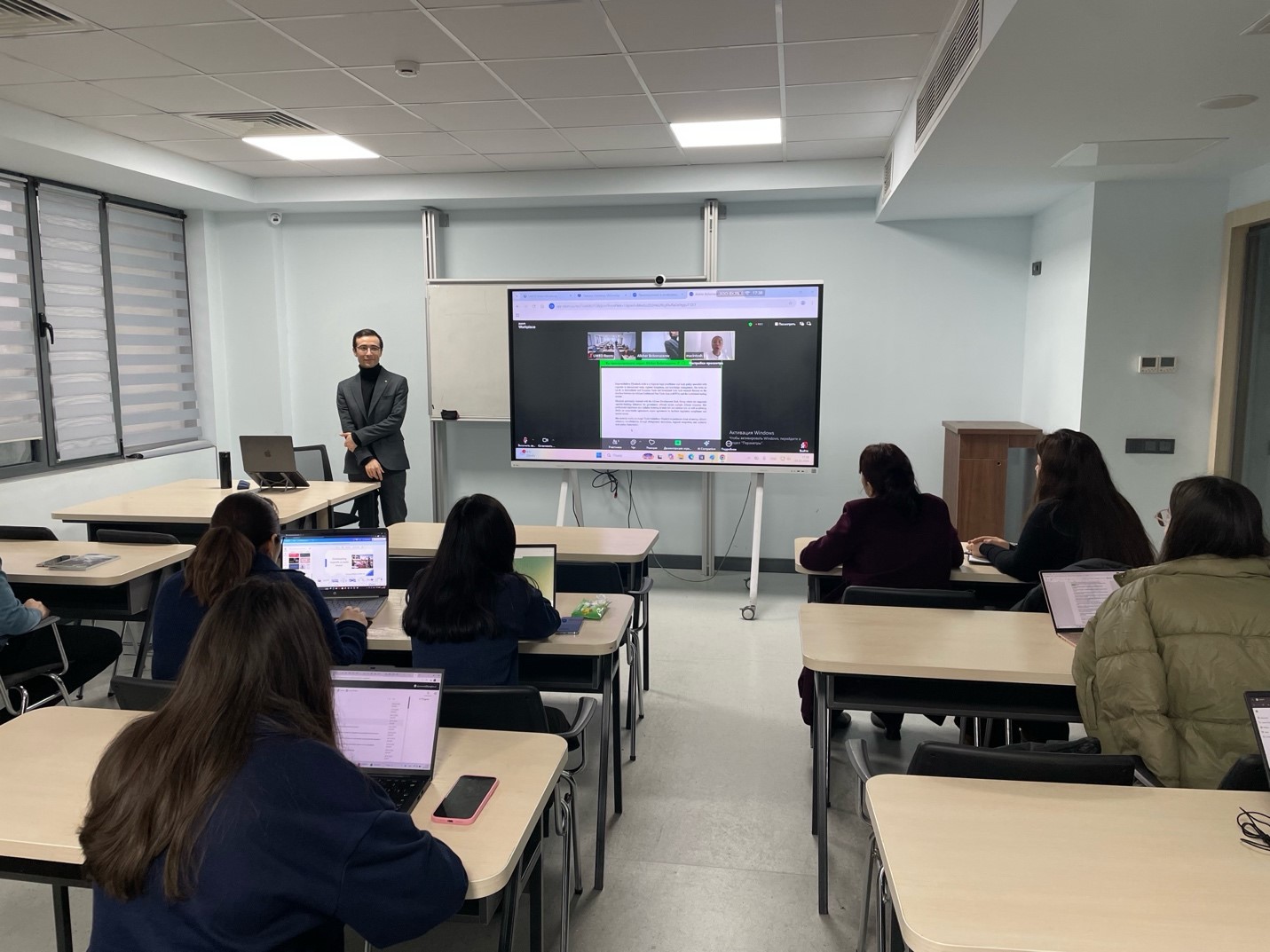
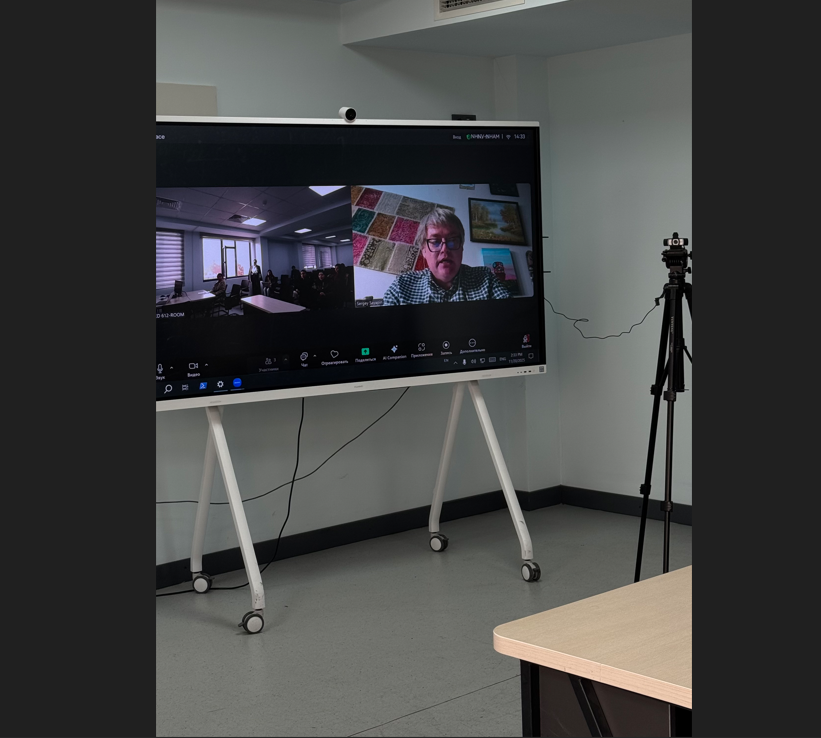
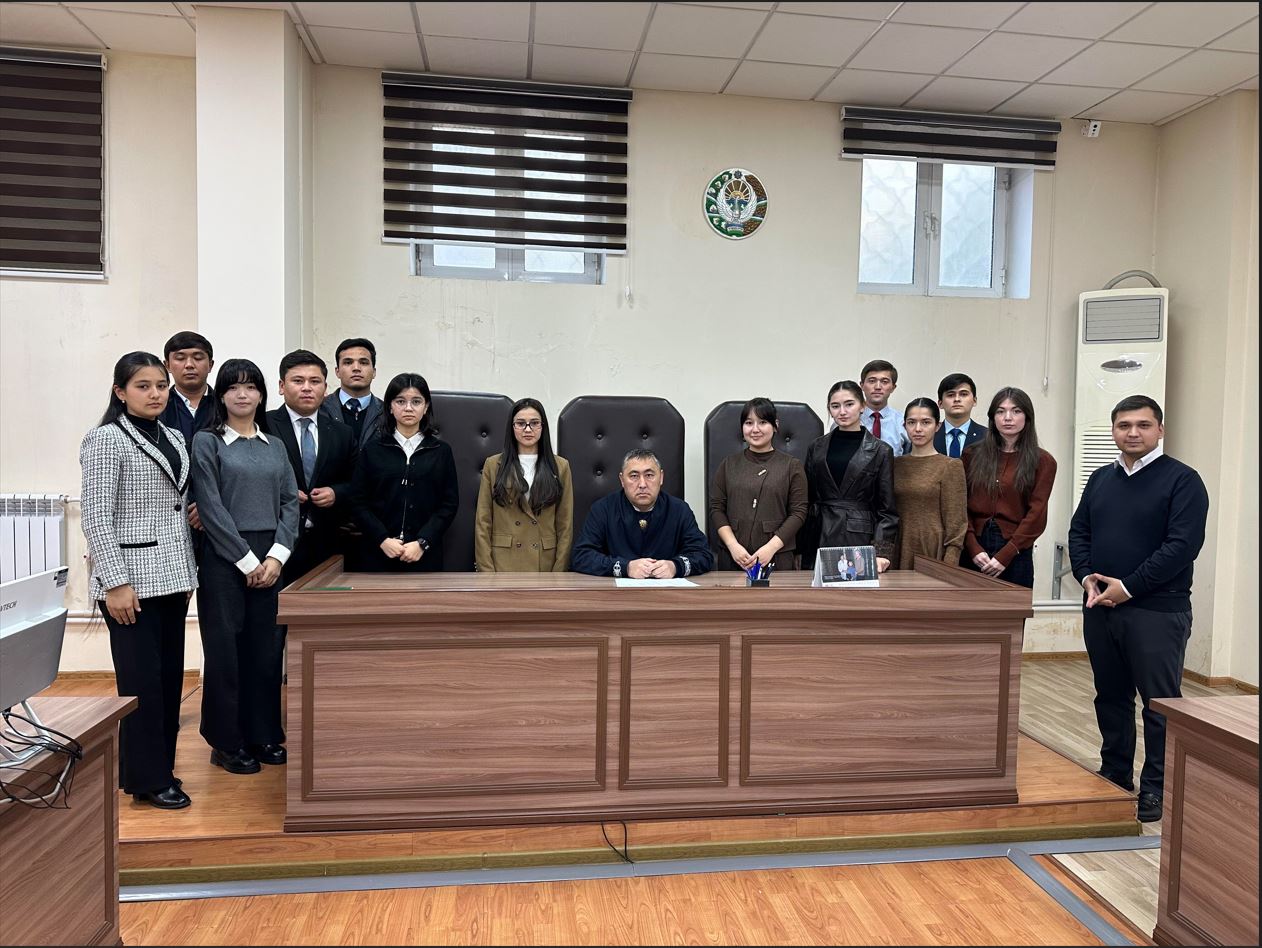
On 7 October 2026, the Faculty of International Relations at the University of World Economy and Diplomacy (UWED) hosted a meeting with Ismail Belen, an expert in forestry and public administration who chaired the Bureau of the United Nations Forum on Forests from 2024 to 2026. University representatives and students attended the event, entitled “From Harvard to the Global Stage: A Personal Journey in Diplomacy.”
The meeting aimed to introduce students to the practical aspects of international environmental cooperation, highlight the role of green diplomacy in contemporary international relations, and enhance future diplomats’ knowledge and skills through insights from the guest speaker’s professional experience.
In his lecture, Ismail Belen described his professional journey from practical work in Türkiye’s forestry sector to public administration and international cooperation. He shared his experience of participating in a specialised programme for senior managers in government at Harvard Kennedy School in 2013. He also discussed his work within the United Nations Forum on Forests, the Food and Agriculture Organization of the United Nations (FAO), and the United Nations Economic Commission for Europe (UNECE).
The lecture addressed key aspects of green diplomacy, including negotiations, the exchange of knowledge and technology between countries, and the mobilisation of financial resources for environmental projects. Ismail Belen emphasised that the effectiveness of international agreements depends on their implementation at national and local levels. Particular attention was given to the importance of scientific evidence, reliable partnerships, and regular assessment of results.
The meeting also explored the interconnections among the Rio Conventions. The discussion covered cooperation under the United Nations Framework Convention on Climate Change (UNFCCC), the Convention on Biological Diversity (CBD), and the United Nations Convention to Combat Desertification (UNCCD). It was noted that protecting forests, soils, and water resources contributes to the coordinated achievement of the objectives of these international instruments.
A separate part of the lecture focused on the United Nations Strategic Plan for Forests 2017–2030 and the Sustainable Development Goals. Participants learned that the plan comprises six Global Forest Goals and 26 associated targets. Practical examples illustrated the role of forests in climate change adaptation, biodiversity conservation, water resource protection, and support for people’s livelihoods.
The substantive dialogue enabled students to connect their knowledge of international relations with practical examples of environmental cooperation. The meeting laid a foundation for expanding ties between the Faculty of International Relations and international organisations and for developing further cooperation.
| Date: | 11.10.2026 |
| Views: | 72 |
| Share: |