“Green Thinking – A Sustainable Future” Environmental and Psychological Campaign Held with the Participation of UWED Students
“Green Thinking – A Sustainable Future” Environmental and Psychological Campaign Held with the Participation of UWED Students
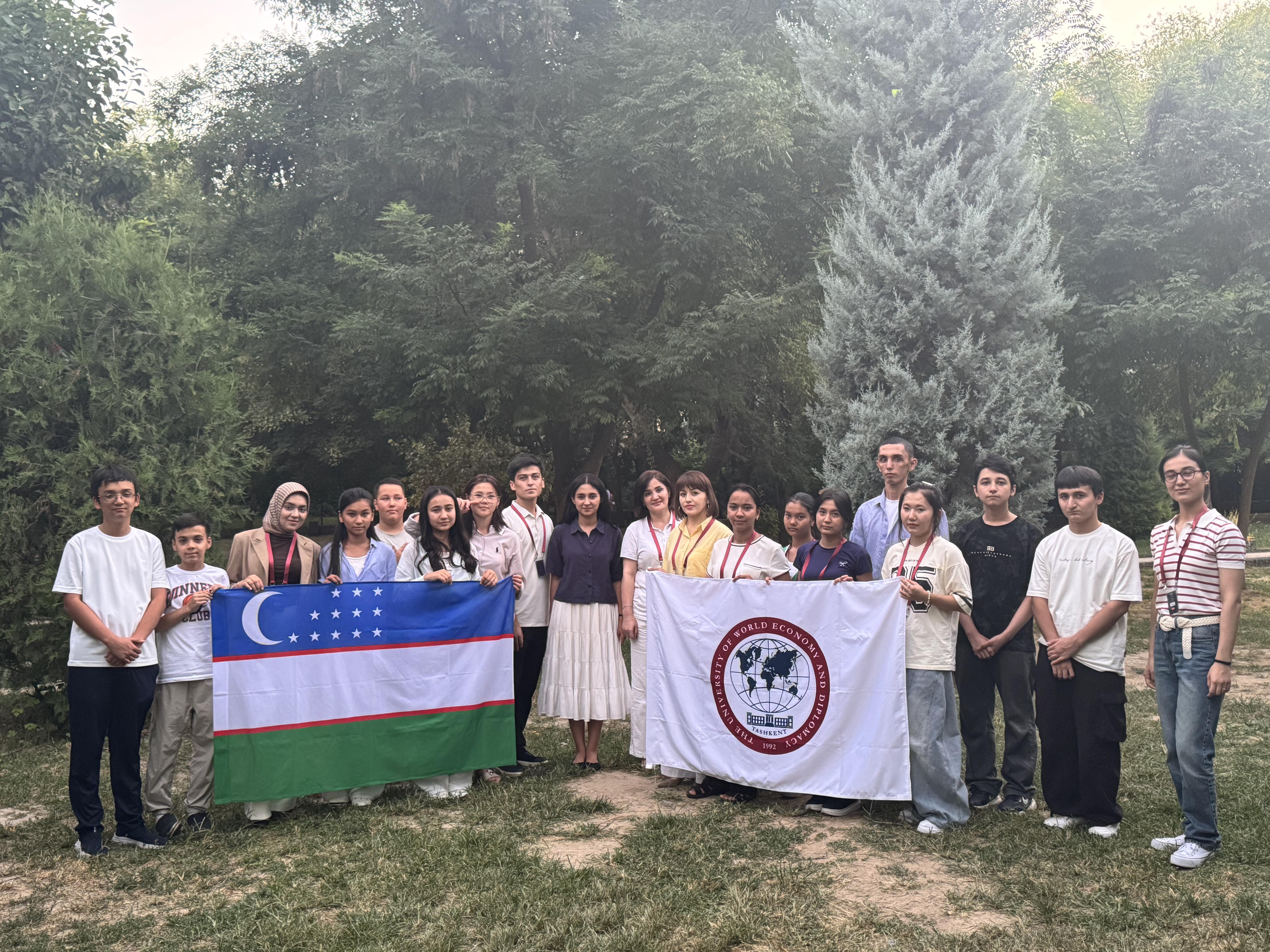
An environmental and psychological campaign entitled “Green Thinking – A Sustainable Future” was held at the Eco-Park in Tashkent through cooperation between the University of World Economy and Diplomacy and the International Youth Environmental Committee.
The campaign was aimed at promoting environmental awareness among university students, school and lyceum pupils, and the wider public, strengthening environmental consciousness and civic responsibility, fostering a responsible attitude towards nature, and widely promoting the principles of sustainable development.
The event combined environmental education, psychological approaches, and youth initiatives. It was organized in line with the United Nations Sustainable Development Goals, particularly those related to quality education, climate action, environmental sustainability, and the development of environmental culture.
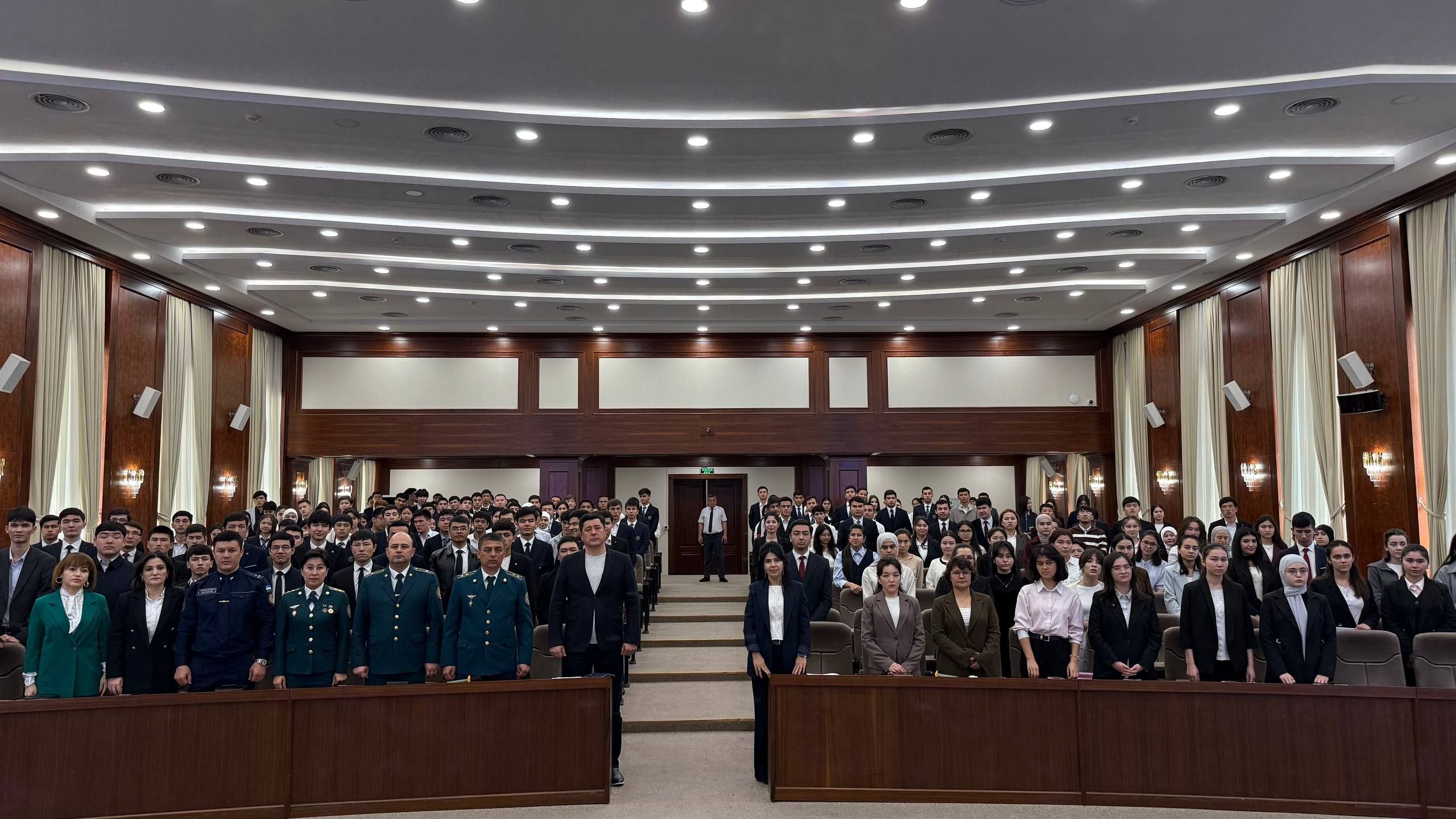
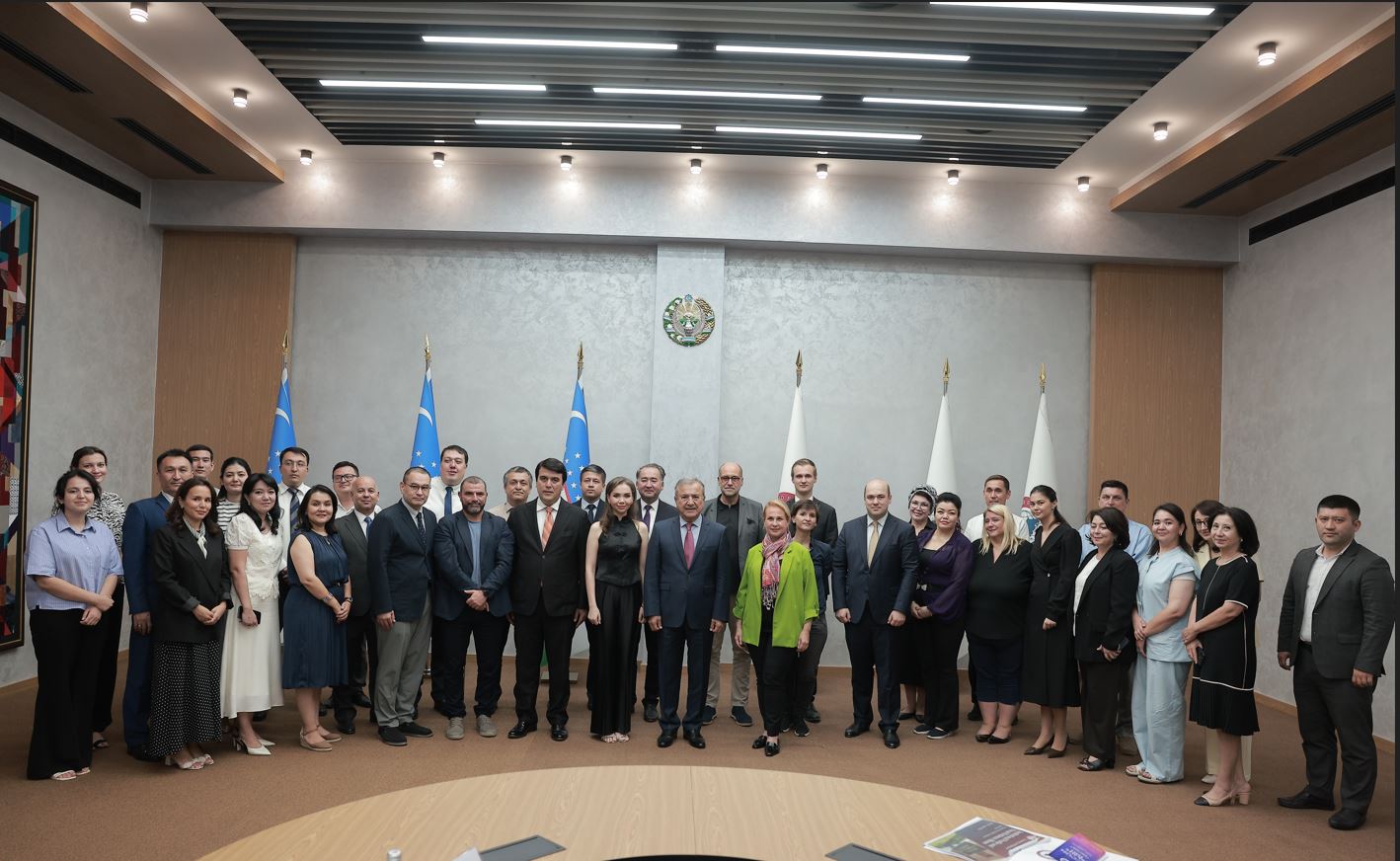
University students, school and lyceum pupils, volunteers, young environmental activists, and members of the public concerned about environmental issues actively participated in the campaign. Throughout the event, meaningful discussions were held on environmental ethics, the development of green thinking, environmental safety, the strengthening of civic responsibility, and the promotion of environmental values.
The honorary guest of the event, Chairperson of the International Youth Environmental Committee Lobarkhon Jalolova, delivered a presentation on environmental diplomacy, youth participation in international environmental initiatives, the development of environmental volunteering, and the growing importance of environmental leadership. She emphasized that the personal responsibility of every citizen, youth initiative, and the promotion of environmental awareness are among the most important factors in ensuring a sustainable future.
UWED psychologist Nargiza Norova conducted an interactive training session devoted to the psychological foundations of environmental awareness, harmony between people and nature, the development of environmental responsibility, and environmentally responsible behaviour. During the training, particular attention was paid to strengthening environmental values, fostering a culture of living in harmony with nature, and developing a conscious approach to environmental challenges through psychological exercises, socio-psychological assessment, elements of ecotherapy, and group activities.
Feruza Ernazarova, a specialist at the Youth Affairs Office, noted that the development of environmental culture is a shared responsibility of the continuous education system and society as a whole. She encouraged young people to protect nature, expand green areas, use natural resources responsibly, and make environmental values an integral part of their daily lives.
Mirfayz Nutfullayev, a student of the University of World Economy and Diplomacy and Deputy Chairperson of the International Youth Environmental Committee, played an active role in organizing the campaign. At his initiative, practical activities were effectively arranged to engage more young people in environmental volunteering, support environmental projects, develop public initiatives, and promote environmental awareness.
At the conclusion of the campaign, participants emphasized the importance of cooperation among government bodies, educational institutions, civil society organizations, and young people in developing environmental culture, conserving natural resources, mitigating the effects of climate change, and achieving the Sustainable Development Goals.
By bringing together environmental education, environmental ethics, and psychological approaches on a single platform, the campaign became a meaningful educational initiative that contributed to broadening the participants’ environmental outlook, strengthening civic responsibility, supporting youth-led environmental initiatives, and promoting environmental culture in society.
| Date: | 02.08.2026 |
| Views: | 483 |
| Share: |