The Second Central Asia Forum on China Studies Held at UWED
The Second Central Asia Forum on China Studies Held at UWED
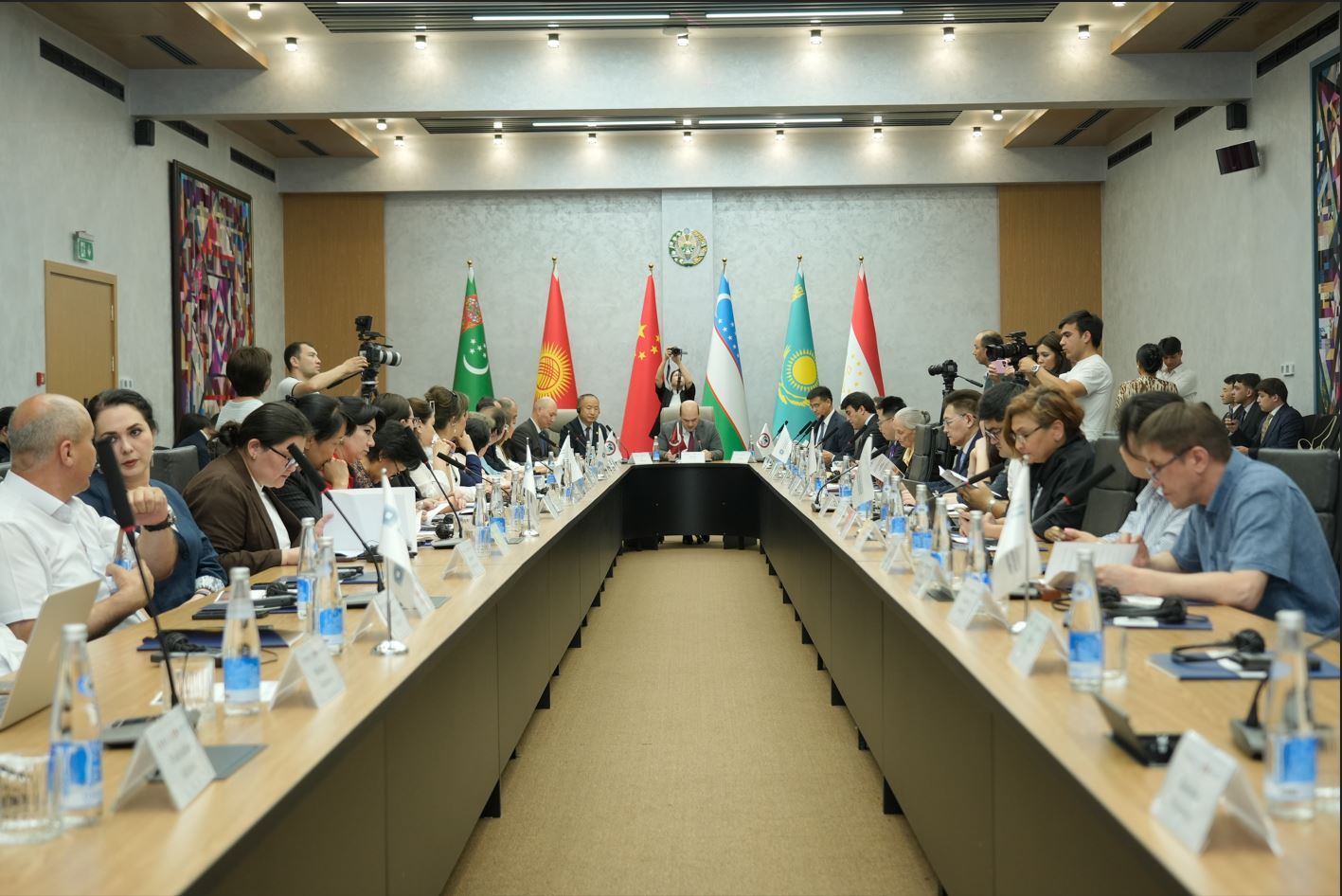
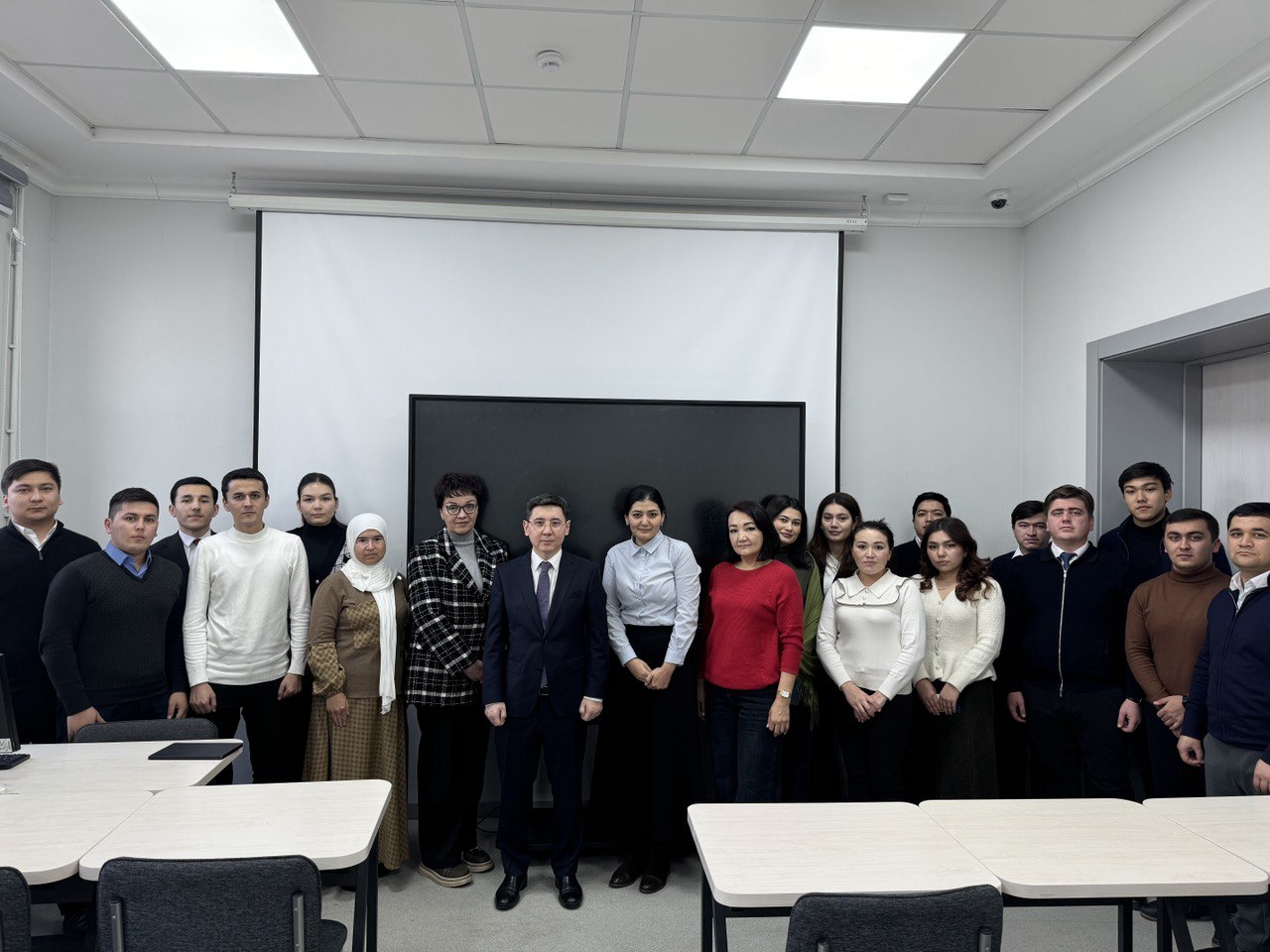
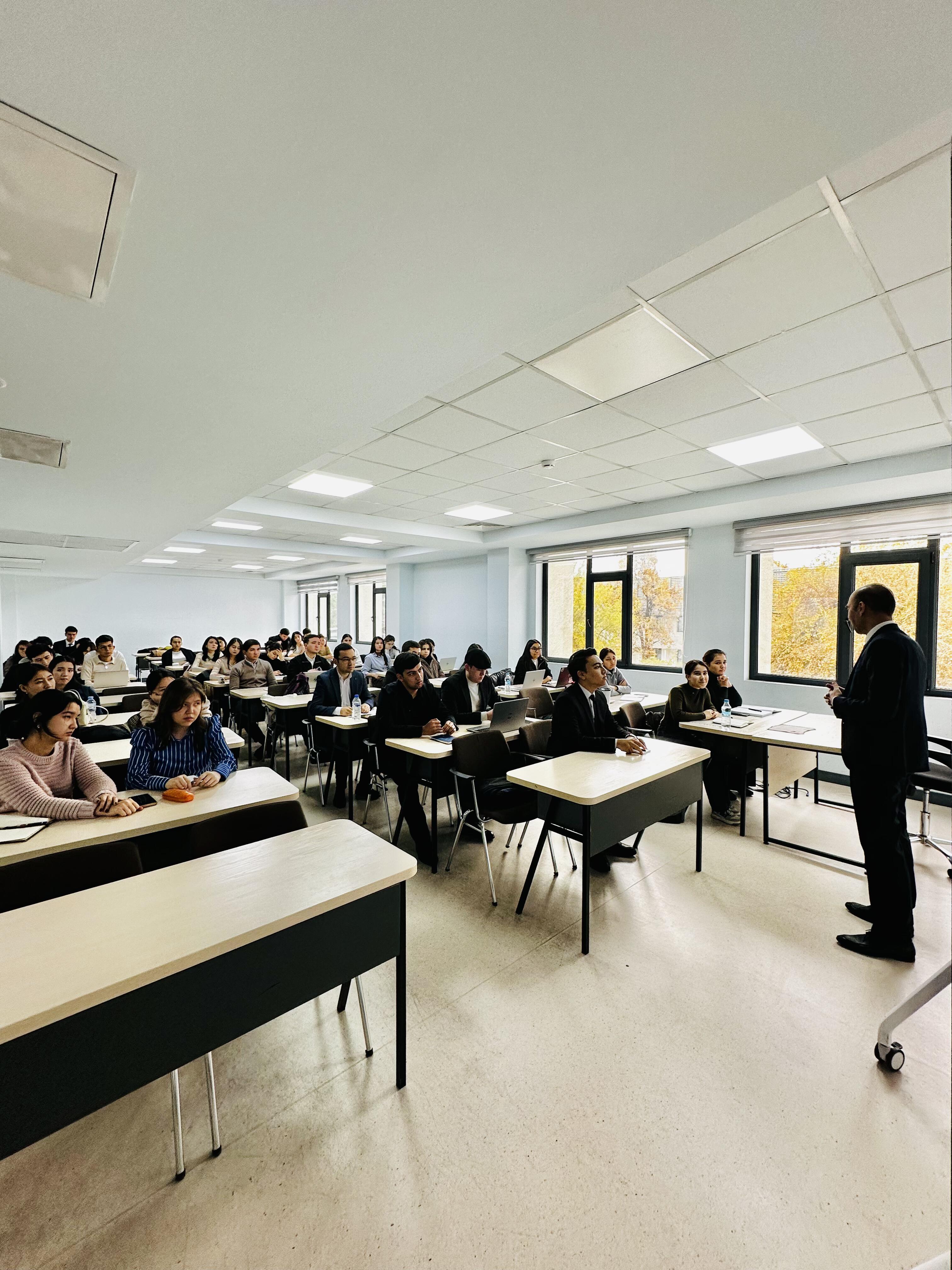
On June 13, 2026, the University of World Economy and Diplomacy (UWED) hosted the Second Central Asia Forum on China Studies, themed “Central Asia and China at the Crossroads of Heritage and Future”. The forum was organized by the Institute for Advanced International Studies (IAIS) at UWED, in cooperation with the World Sinology Center (PRC) and the “Belt and Road” Research and Education Center (Kazakhstan), with support from the Embassy of the People’s Republic of China in Tashkent. The event served as a continuation of the regional expert dialogue initiated in Almaty in May 2025 and aimed to strengthen academic, analytical, cultural, and humanitarian cooperation between the countries of Central Asia and China.
The forum took place against the backdrop of China’s growing role in Eurasia and the further development of the “Central Asia–China” format, which has significantly expanded the scope of political, economic, transport, and humanitarian interaction between the parties in recent years. During the event, special attention was given to China studies as an interdisciplinary field that combines political analysis, economic assessment, cultural understanding, and practice-oriented expertise for government bodies, think tanks, and educational institutions.
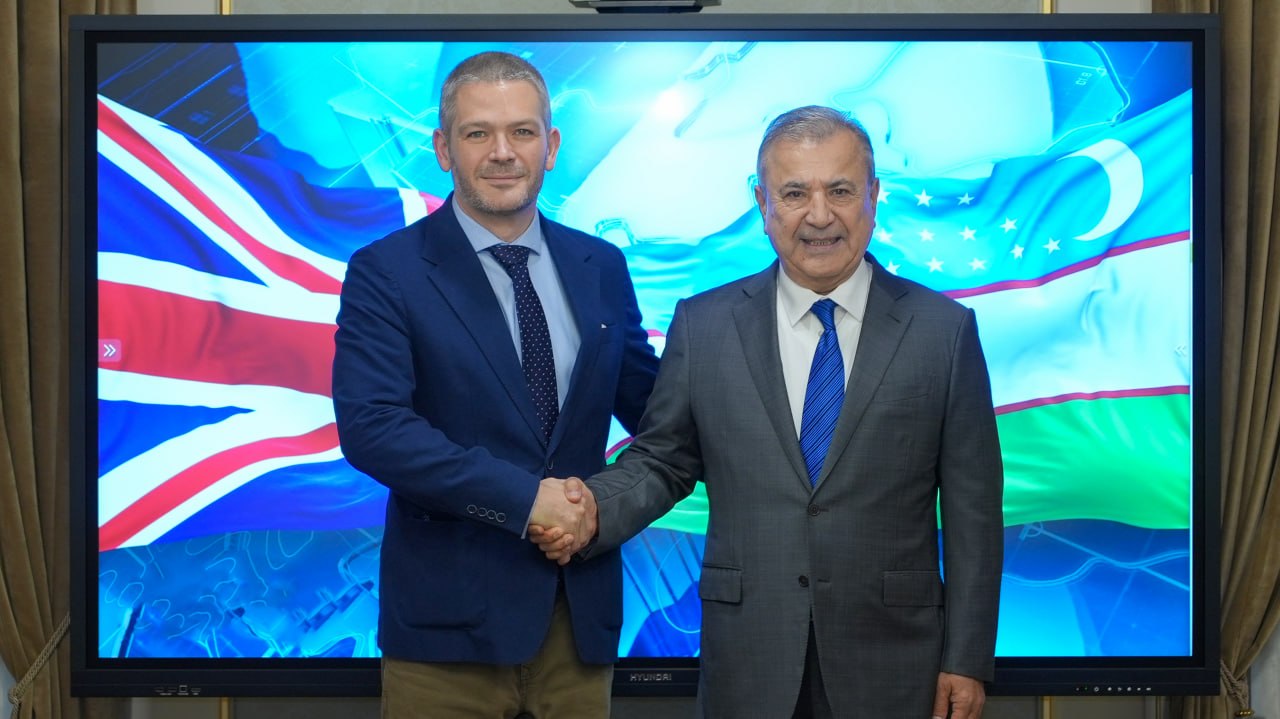
The opening remarks were addressed by Dr. Akram Umarov, First Vice-Rector for Academic Affairs at UWED and Director of IAIS; H.E. Mr. Yu Jun, Ambassador Extraordinary and Plenipotentiary of the People’s Republic of China to Uzbekistan; Vladimir Norov, Chairman of the Central Asian Association for Artificial Intelligence; Prof. Rashid Alimov, Academy of Public Administration under the President of the Republic of Tajikistan; Xu Baofeng, Director of the World Sinology Center; and Adil Kaukenov, Director of the “Belt and Road” Research and Education Center.
The forum’s agenda included four thematic sessions. During the first session, participants discussed the origins of China studies in Central Asia, the development of academic schools, research traditions, and expert approaches to studying China. The second session was dedicated to the role of China studies in cultural and humanitarian cooperation, including academic exchanges, educational programs, intercultural dialogue, and the training of a new generation of specialists. The third session focused on the study of China in the context of the PRC’s 15th Five-Year Plan, its potential priorities, and its significance for the countries of Central Asia. The final session was devoted to the practical aspects of working with the Chinese language in the region, including teaching methods, translator training, and the enhancement of professional competencies.
The forum brought together representatives from leading universities, research centers, Confucius Institutes, educational programs, and expert organizations from Uzbekistan, Kazakhstan, Kyrgyzstan, Tajikistan, and China. The discussions covered a wide range of issues related to the development of regional China studies, the deepening of academic ties, the expansion of expert networks, and the formation of a more systematic understanding of contemporary political, economic, and humanitarian processes in China and their importance for Central Asia.
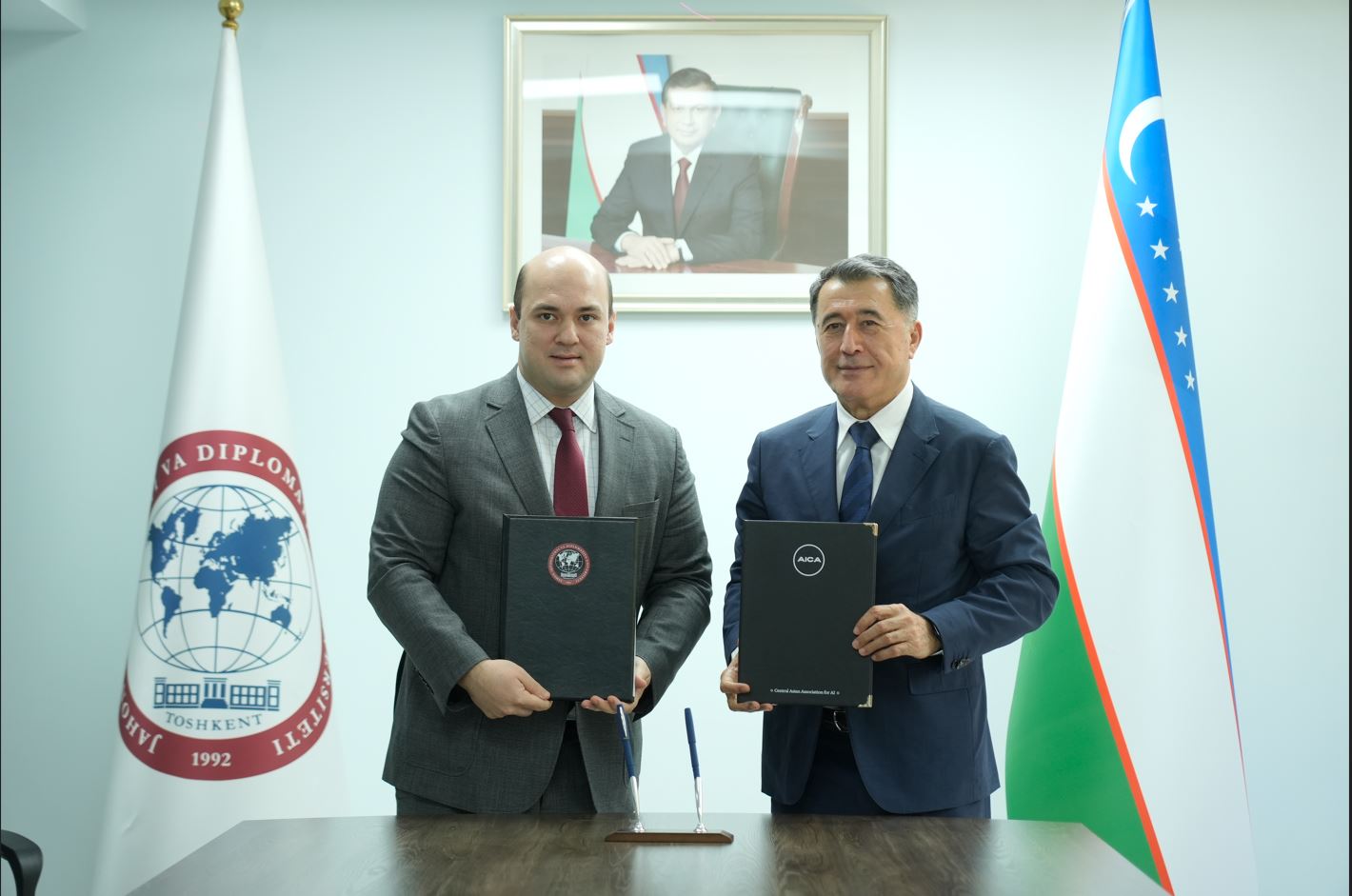
Following the forum, the Central Asian Consensus on World Sinology was signed. This document, read by Dr. Abbos Bobokhonov, Head of the Center for Asia-Pacific Studies at IAIS, marked a significant outcome of the expert dialogue. It reflected the participants’ commitment to further institutionalizing regional cooperation in China studies, developing joint research initiatives, strengthening academic exchanges, and creating a sustainable platform for interaction between specialists from Central Asia and China.
The forum confirmed the strong interest of the academic and expert communities in the systematic study of China and its engagement with Central Asia. The discussions highlighted the need for the continued development of China studies as an independent and practically relevant field of regional expertise, capable of contributing to the creation of analytical materials, educational programs, and recommendations for state, academic, and public institutions.
| Date: | 15.06.2026 |
| Views: | 1195 |
| Share: |