UWED Hosts International Scientific and Practical Conference on Problems and Solutions in Language Teaching
UWED Hosts International Scientific and Practical Conference on Problems and Solutions in Language Teaching
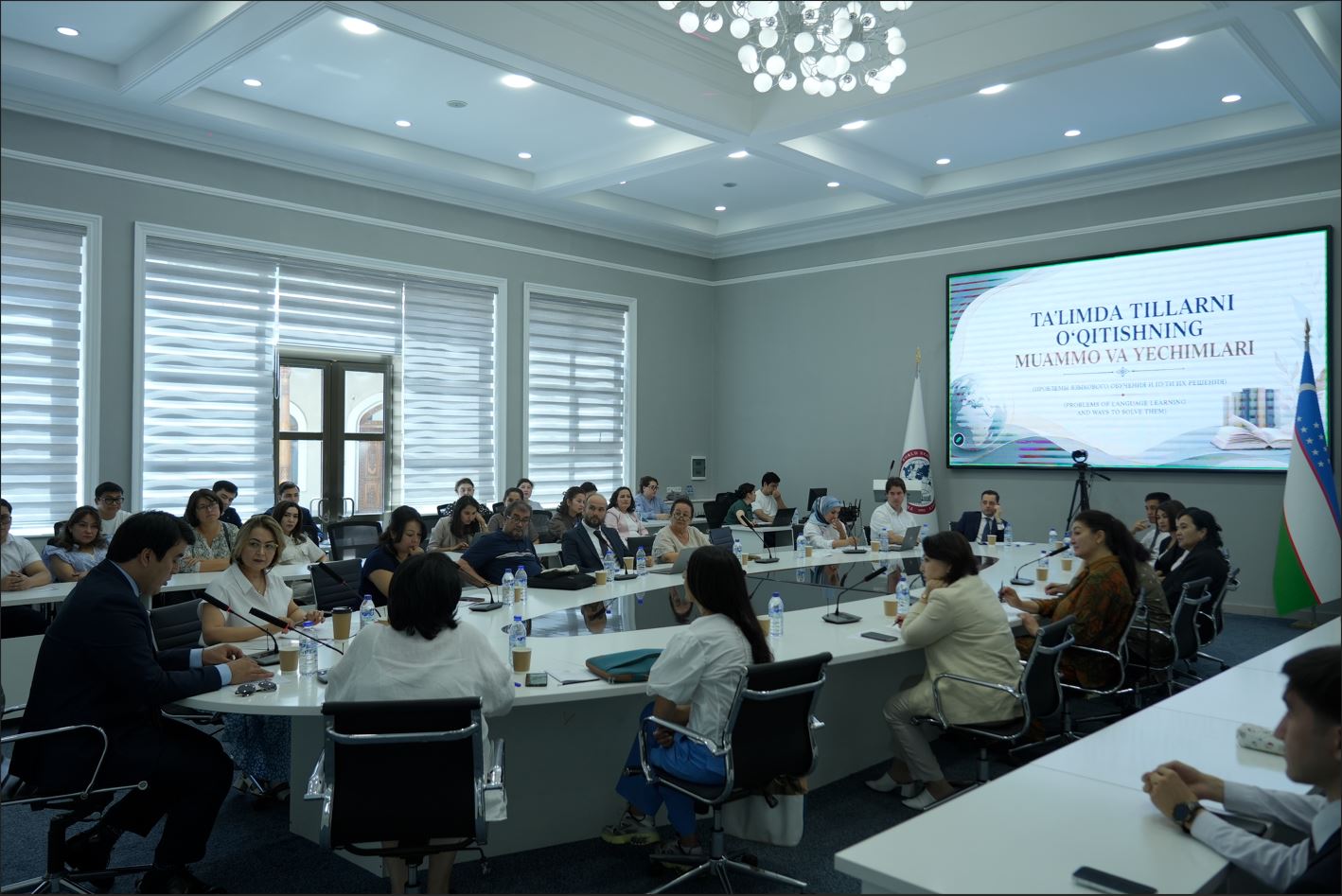
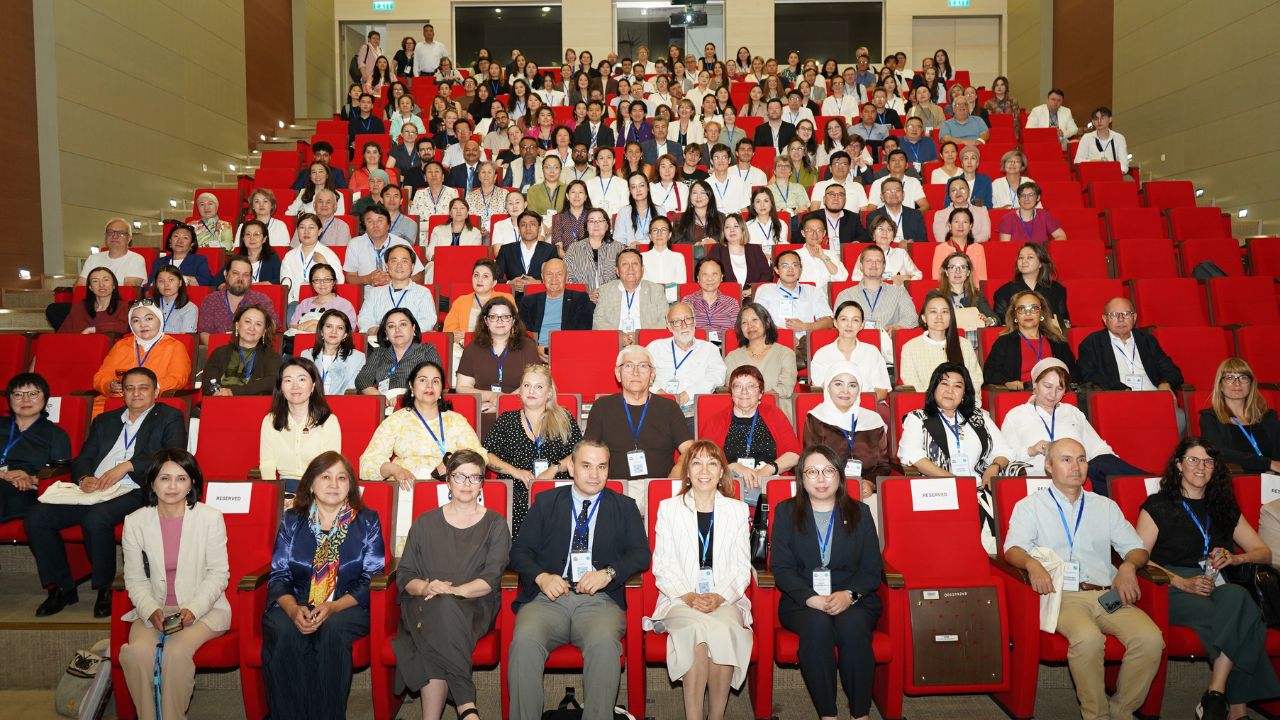
On June 4, 2026, the University of World Economy and Diplomacy held an international scientific and practical conference on “Problems and Solutions in Language Teaching in the Field of Education”. The conference is traditionally organized by the departments of European and Turkic Languages, as well as the Uzbek and Russian Languages. This year, it gained special significance due to the participation of representatives from prestigious foreign universities.
The event covered areas such as teaching philological disciplines in higher education, the didactic potential of artificial intelligence tools in foreign language instruction, strategies and methods for ensuring quality in modern language education, current challenges in foreign language teaching within the context of intercultural communication, and cognitive, neurolinguistic, and digital approaches to interdisciplinary integration in modern linguistics.
The conference was attended by scholars and researchers from the Azerbaijan University of Languages, Nakhchivan State University, the Baku branch of Lomonosov Moscow State University, the Department of Turkish Language and Literature of the Faculty of Science and Letters at Kırklareli University (Turkey), Erciyes University in Kayseri, as well as academics from Spain and Italy.
In particular, speakers such as Dr. Beytulla Bekar, Dr. Halil İbrahim İskender, researcher Edanur Uyanik, and Dr. Yasin Yayla from Kırklareli University (Turkey); Dr. Ulfat Zakir oglu Ibrahim, Associate Professor and Candidate of Philological Sciences from the Azerbaijan University of Languages; Alaviya Bahruz Nuri, a lecturer at Nakhchivan State University; Hamida Azizaga kyzy Khalilova from the Baku branch of Lomonosov Moscow State University; Alejandro Pérez Gutiérrez from Spain; and Marco Brignone from Italy shared their insights and scholarly perspectives on language policy, linguistic issues, and the challenges and solutions in language education in the current era of globalization and digital transformation.
Today, the processes of globalization demand new approaches in education, bringing to the forefront such urgent tasks as improving the quality of foreign language teaching, promoting multilingualism, integrating modern pedagogical technologies into educational practices, and enhancing intercultural communication. From this standpoint, the scholarly ideas and best practices discussed during the conference will make a valuable contribution to the development of scientific research in these fields.
| Date: | 05.06.2026 |
| Views: | 1199 |
| Share: |