UWED Discusses Tort and Employment Relationships in Private International Law
UWED Discusses Tort and Employment Relationships in Private International Law
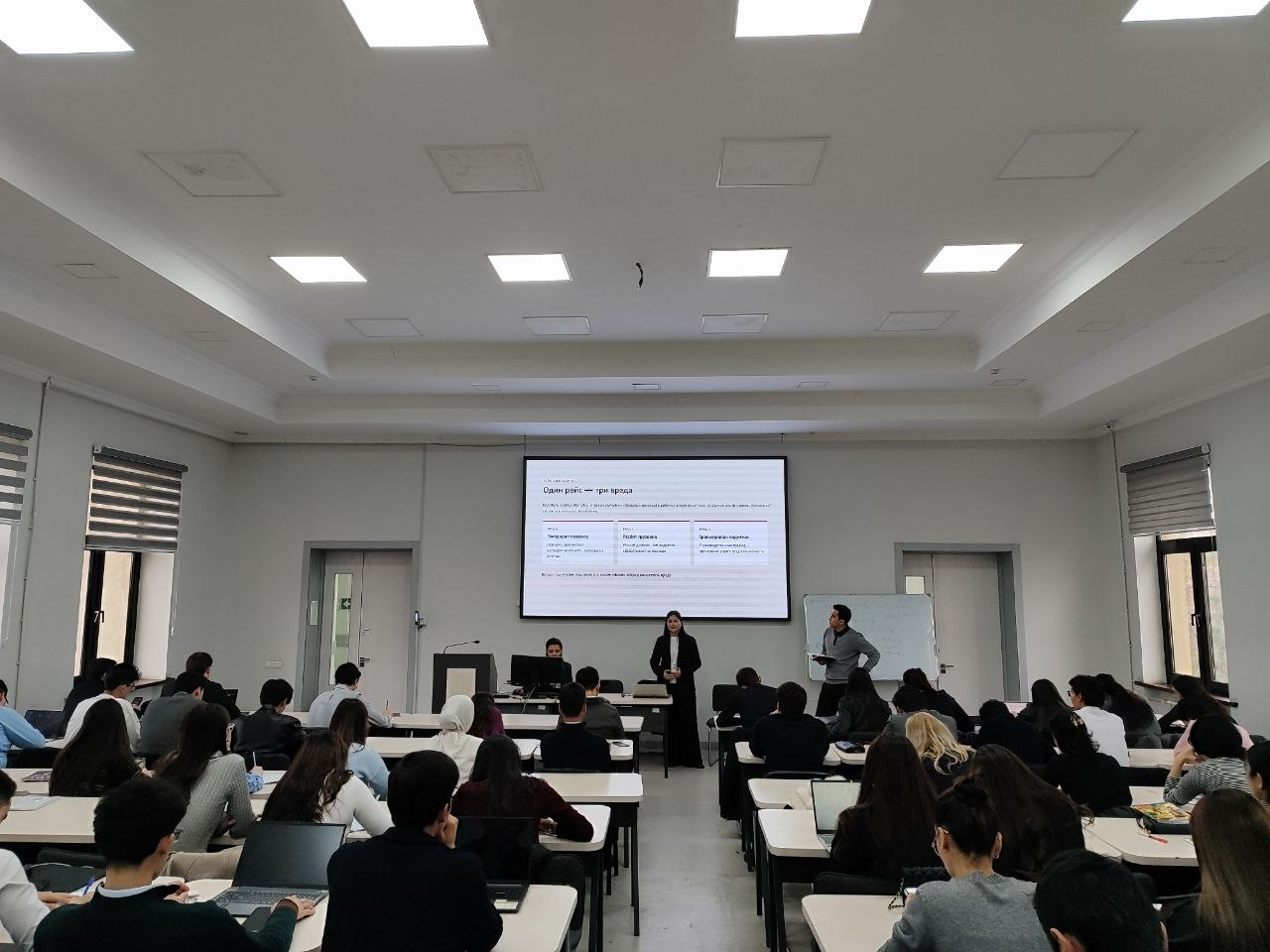
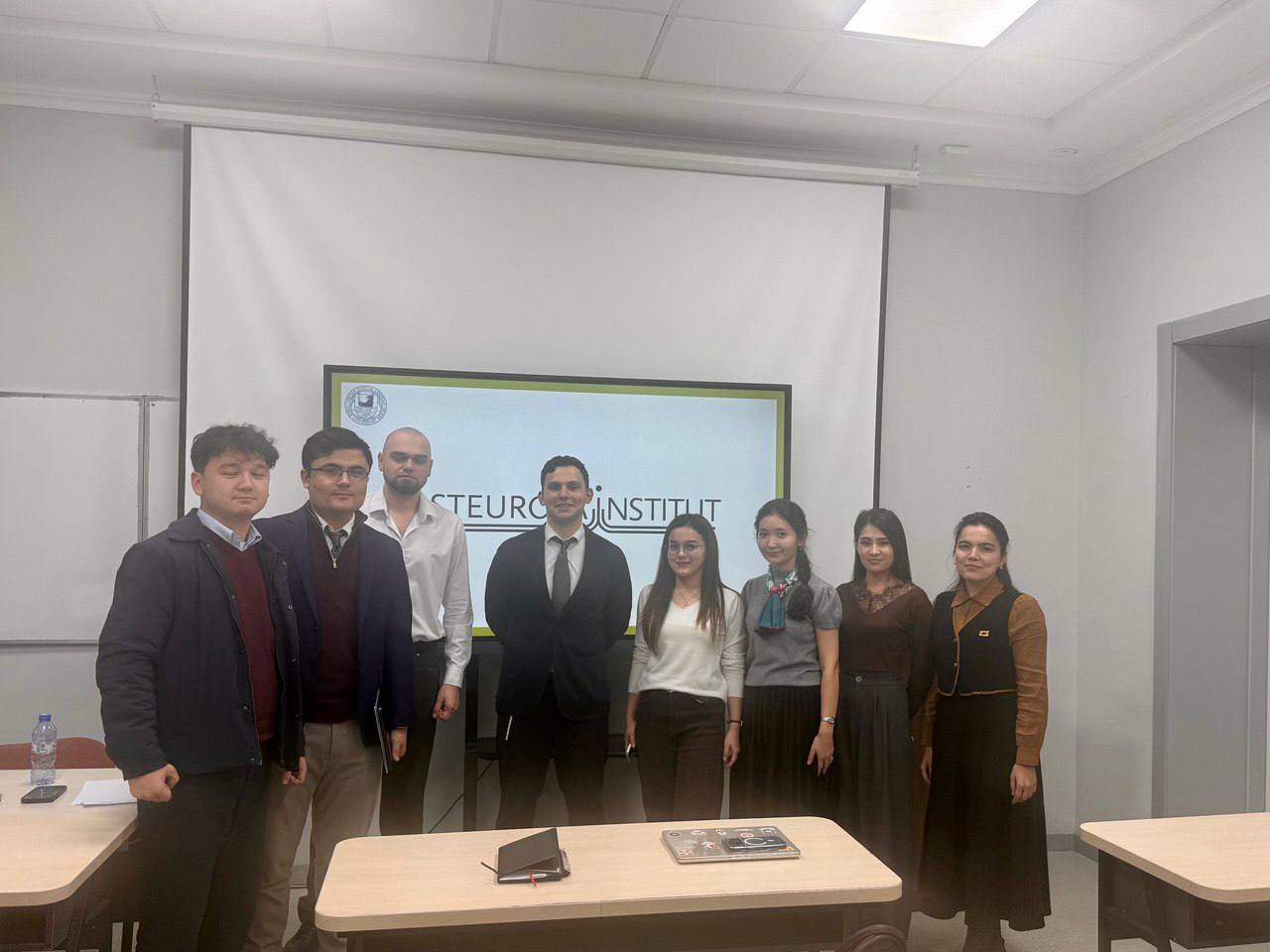
On 24 November this year, the University of World Economy and Diplomacy held a master class for third-year students of the Faculty of International Law as part of the course “Private International Law”. The master class focused on the specific features of the legal regulation of tort and employment relationships involving a foreign element.
The master class was organized by Imamova Dilfuza, Professor of the Department of Civil Law and Private International Law Disciplines at the University of World Economy and Diplomacy, with the aim of deepening students’ theoretical knowledge, developing their practical skills, and enhancing their professional training through interaction with legal practitioners.
The invited experts included practicing lawyers: Akhtamova Munavvara, Legal Counsel at Bemax Legal LLC; Iskandarova Madina, Junior Lawyer at Kosta Legal; and Khabibullaev Abdusaid, an intern at the Yunusabad District Prosecutor’s Office, who participated alongside Professor Imamova Dilfuza.
The master class addressed current issues of Private International Law, including the determination of the applicable law to tort obligations arising in cross-border relations, the specific features of the legal regulation of employment relationships involving a foreign element, and the legal status of foreign nationals in employment relationships.
Particular attention was paid to the practical aspects of resolving disputes arising from cross-border torts, jurisdictional issues, the determination of applicable law, and the specific features of regulating employment relationships involving foreign nationals. The invited experts presented examples from their own legal practice relating to tort and employment relationships and shared their experience in resolving relevant legal issues.
During the interactive discussion, students analyzed practical cases, raised questions, and received qualified comments from the experts. They demonstrated a keen interest in the topics discussed, actively participated in the discussion, and received comprehensive answers to their questions.
The master class contributed to the achievement of Sustainable Development Goal 16 “Peace, Justice and Strong Institutions”, particularly Target 16.3, which promotes the rule of law and equal access to justice. Examining the legal regulation of cross-border tort and employment relationships, mechanisms for protecting the rights of parties to legal relations, and the resolution of disputes contributes to fostering the legal culture of future lawyers and deepening their understanding of the role of legal institutions in ensuring the rule of law and protecting rights.
The master class also contributed to the achievement of Sustainable Development Goal 17 “Partnerships for the Goals”, particularly Target 17.6, which envisages strengthening international cooperation in science, technology, and innovation. Cooperation between the university and representatives of the legal profession facilitates the exchange of knowledge and practical experience, promotes practice-oriented education, and strengthens links between academia and legal practice.
The event made an important contribution to improving the educational process, developing students’ professional competencies, and strengthening cooperation between the university and the professional legal community within the framework of advancing the Sustainable Development Goals.
| Date: | 25.11.2026 |
| Views: | 21 |
| Share: |