UWED Shares Uzbekistan's Sustainable Development Experience with Afghan Academia
UWED Shares Uzbekistan's Sustainable Development Experience with Afghan Academia
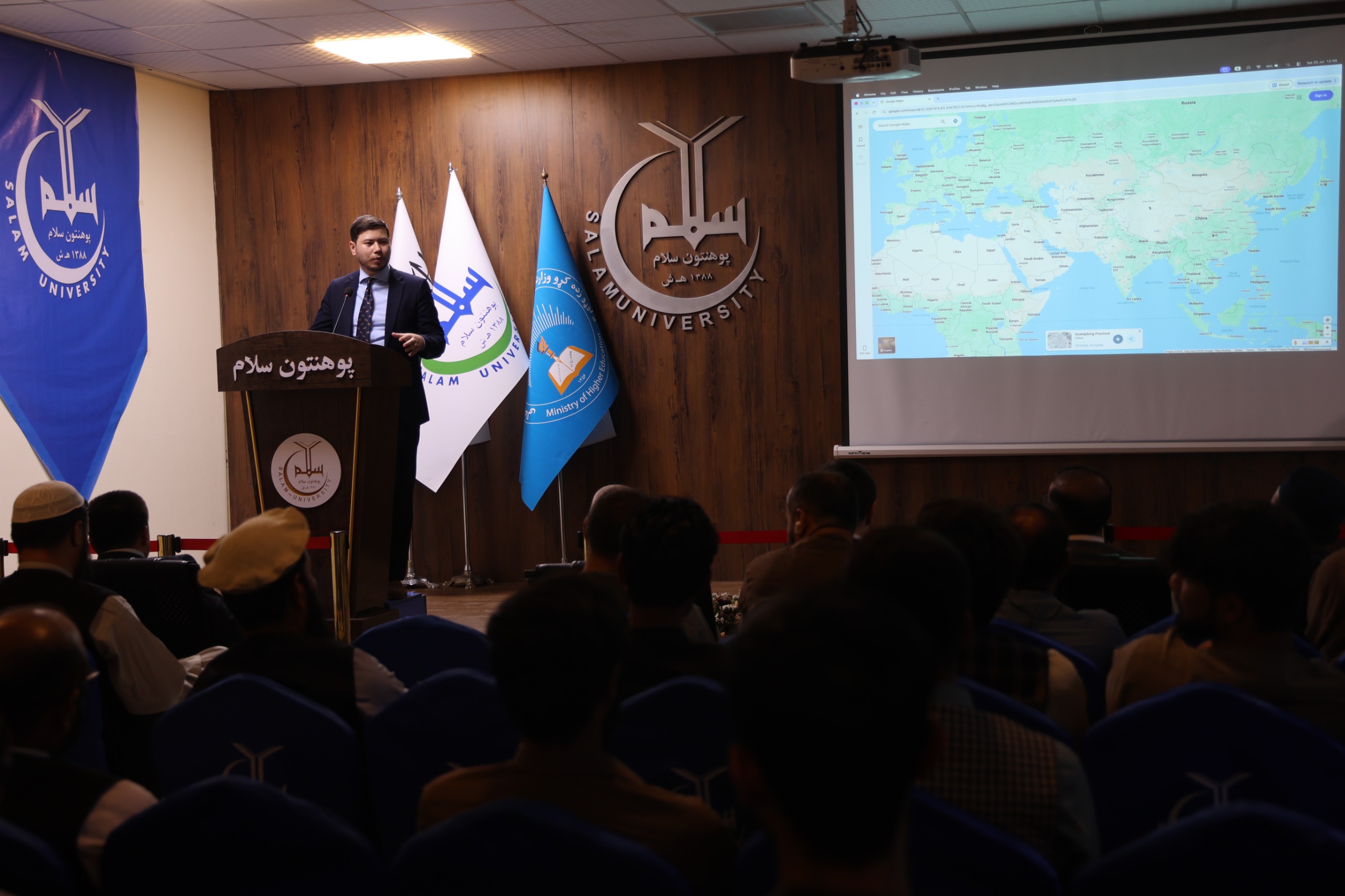
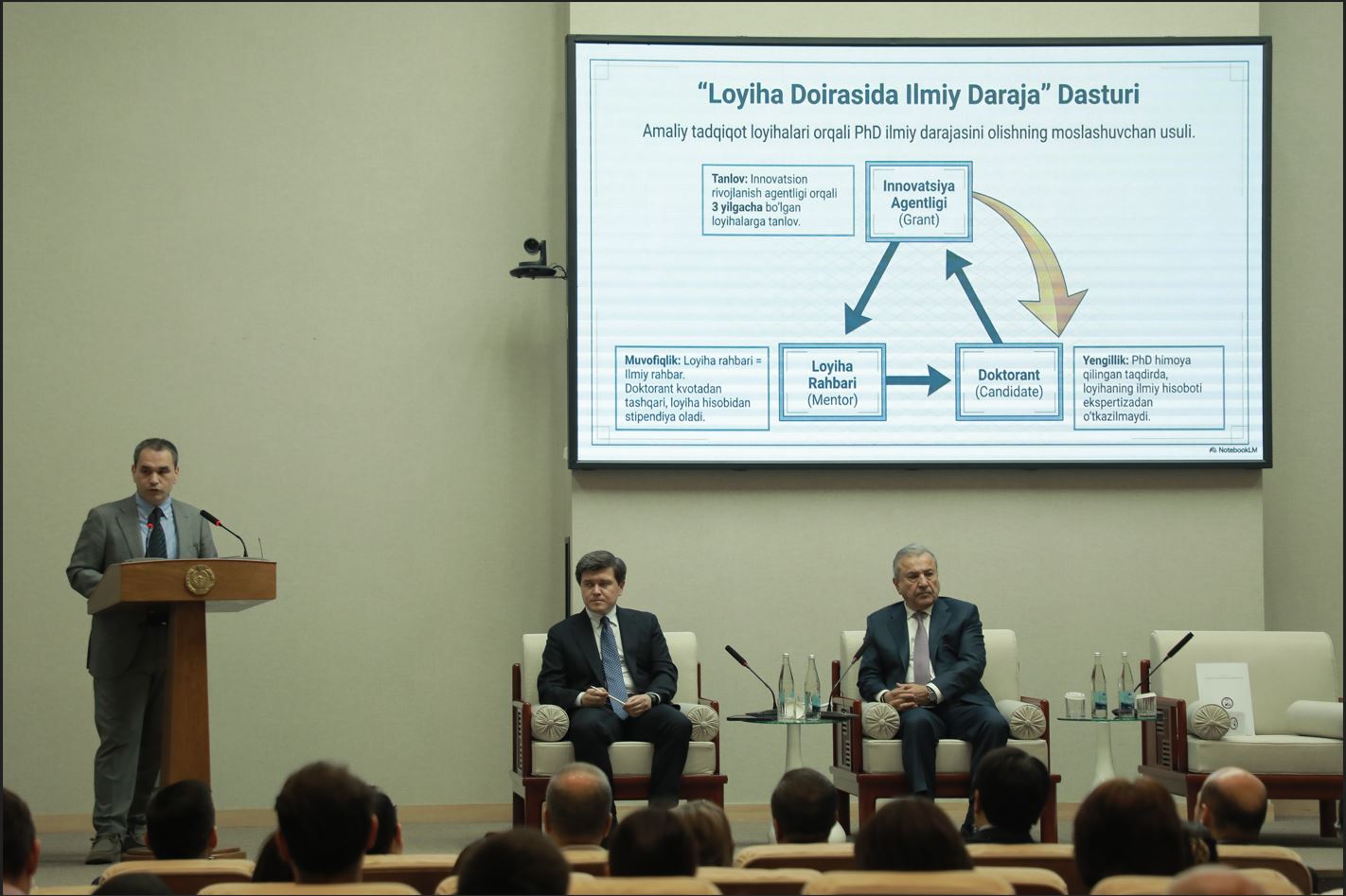
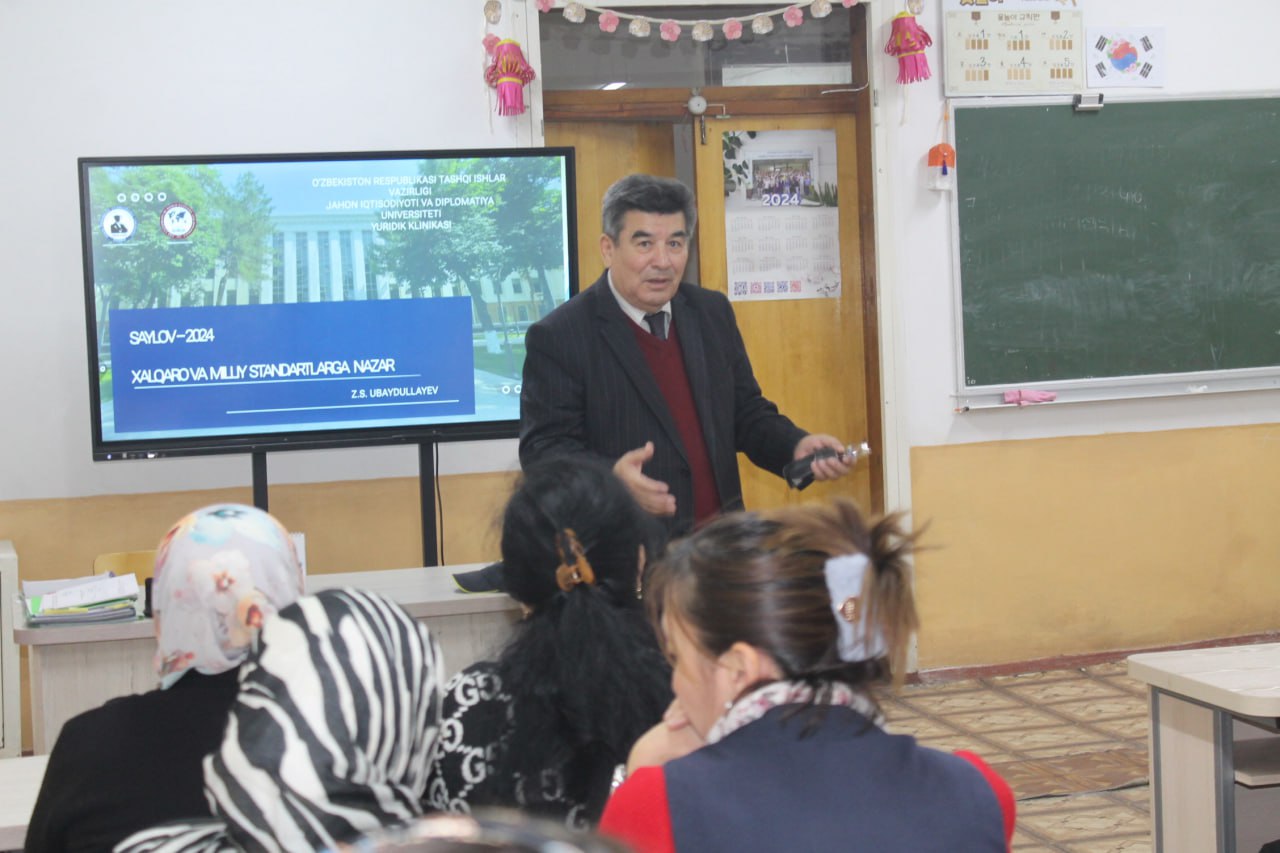
On 26 July 2026, at the initiative of Islomkhon Gafarov, Senior Lecturer at the University of World Economy and Diplomacy (UWED), a scientific and educational event entitled “Sustainable Development in Uzbekistan: Reforms, Science and Human Capital” was organised at Salam University in cooperation with the Academy of Sciences of Afghanistan. The event aimed to present Uzbekistan’s experience in sustainable development to Afghanistan’s academic and educational communities, discuss the country’s experience in integrating the United Nations Sustainable Development Goals (SDGs) into national development policy, and promote cooperation between the scientific institutions of the two countries.
The event brought together representatives of the leadership of the Academy of Sciences of Afghanistan and Salam University, faculty members, scholars, young researchers, and representatives of educational and research institutions. During the meeting, a presentation was delivered on the comprehensive reforms implemented in Uzbekistan in recent years to advance sustainable development and on their socio-economic outcomes.
In particular, since 2016, ensuring sustainable economic growth, improving the quality of education, supporting science and innovation, and strengthening research capacity have been regarded as important drivers of sustainable development in Uzbekistan.
Particular emphasis was also placed on the importance of human capital and scientific capacity in achieving sustainable development. Using the activities of the El-Yurt Umidi Foundation as an example, information was provided on mechanisms enabling young professionals and researchers to pursue education at leading international universities and research centres, acquire up-to-date knowledge and research experience, and apply this capacity to the country’s long-term sustainable development.
Uzbekistan’s sustainable development model was also presented as a comprehensive approach based on the interconnectedness of economic reforms, human capital, science, innovation, and institutional transformation. Participants exchanged views on the potential application of this experience in the context of Afghanistan, particularly in the areas of education, science, human capital, and socio-economic development.
At the conclusion of the event, participants discussed prospects for expanding cooperation between scientific and educational institutions in Uzbekistan and Afghanistan on sustainable development. In particular, proposals were put forward to conduct joint research on the Sustainable Development Goals, establish exchanges of experts and researchers, organise academic seminars and conferences, and implement joint projects aimed at studying Uzbekistan’s experience in the field of sustainable development.
| Date: | 26.07.2026 |
| Views: | 105 |
| Share: |