“School of Trust”: Inclusive Education as a Foundation for Equal Opportunity and High Professional Potential
“School of Trust”: Inclusive Education as a Foundation for Equal Opportunity and High Professional Potential
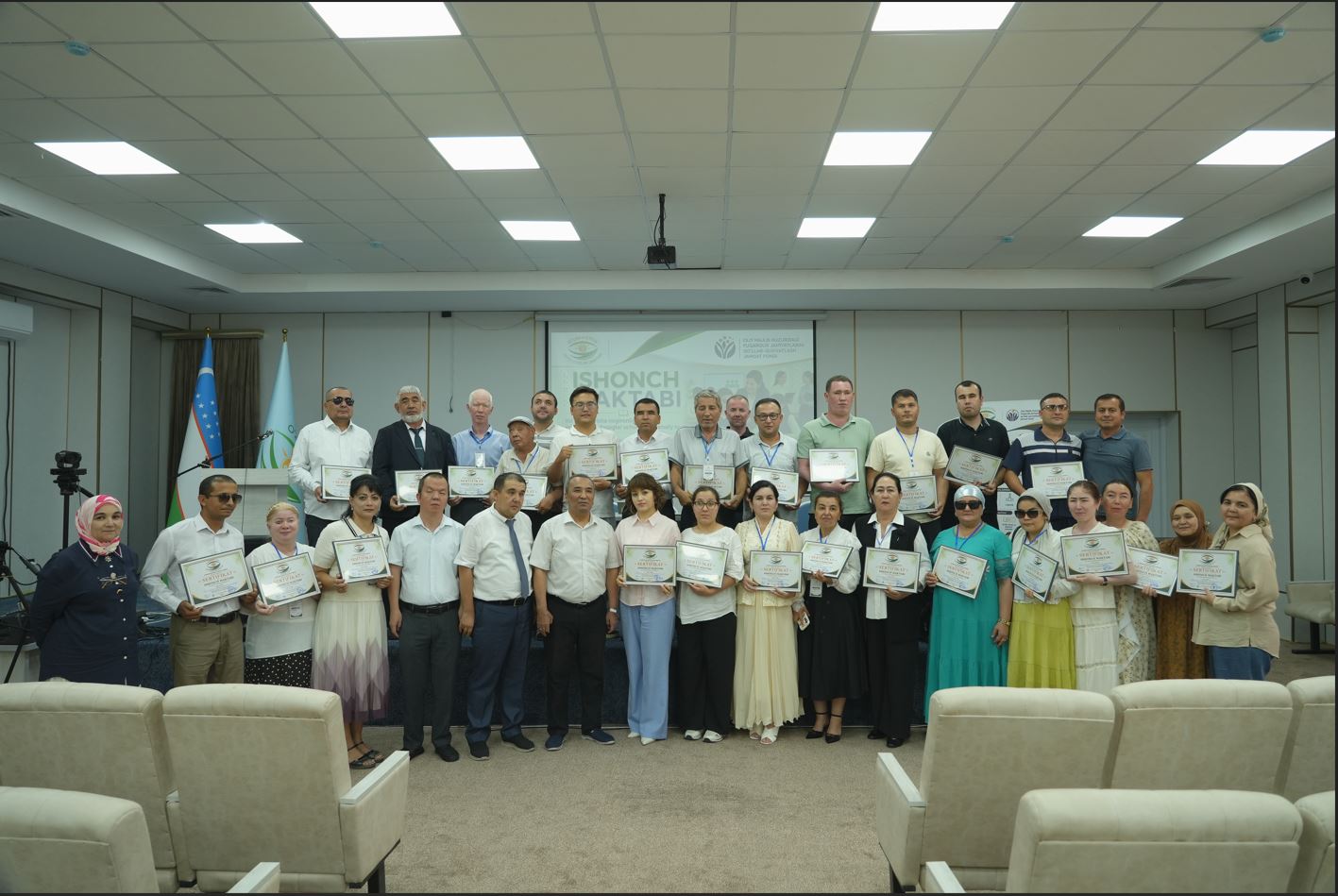
From August 11 to 14, 2026, a practical training seminar titled “School of Trust” was held in the city of Yangiyul for educators with visual impairments.
This seminar was organized by the Public Fund for Support of Civil Society under the Oliy Majlis and the Central Board of the Society of the Blind of Uzbekistan. The event was aimed at developing the professional potential of educators with visual impairments, expanding their opportunities to use modern education and digital technologies, strengthening their professional independence, and implementing the principles of inclusive education in practice.
The seminar was organized in accordance with the priority areas of state policy aimed at strengthening the principles of equal opportunity, human rights, non-discrimination, and social inclusion in the Republic of Uzbekistan, and in alignment with the United Nations Sustainable Development Goals, particularly “Quality Education” and “Reduced Inequalities”.
The event was attended by Nargiza Norova, a psychologist at the University of World Economy and Diplomacy, and Kamola Davlatova, a 3rd-year student and coordinator of the “Inclusion” club. N. Norova delivered a substantive speech on the socio-psychological aspects of creating an inclusive environment. In her speech, she touched upon the role of students in developing inclusive education and an inclusive society, peer support, tolerance, mutual respect, and the social responsibility of young people. K. Davlatova emphasized the importance of youth activism in fostering an inclusive culture, their initiatives aimed at promoting equal opportunity, and social responsibility. She also highlighted the psychological aspects of reducing stereotypes and social barriers in society and of developing empathy, mutual respect, and an inclusive culture.
During the event, special attention was paid to advancing inclusive education, enhancing the professional competencies of educators, making effective use of modern and digital technologies, strengthening professional independence, providing psychological support, and ensuring equal opportunity in the educational environment.
As was emphasized, creating an inclusive environment is not limited to merely establishing physical and technical conditions. An important component of inclusion is also ensuring that a person feels valued, heard, supported, and a fully-fledged member of society.
During the seminar's discussions, it was noted that an approach to inclusion based on the principles of human rights, equal opportunity, social justice, and sustainable development is a vital condition for the progress of modern society.
Developing inclusive education in harmony with the UN Sustainable Development Goals serves to build human capital, strengthen social equality, improve the quality of education, and create decent opportunities for all members of society.
In this sense, practical training initiatives like the "School of Trust" are becoming an important platform for developing the professional potential of educators with visual impairments, strengthening their professional independence, expanding their opportunities to use modern technologies, and shaping an inclusive society.
Following the seminar, active participants, including representatives from the University of World Economy and Diplomacy, were also awarded certificates.
This initiative was recognized as a practical step toward expanding equal opportunity in education, realizing human potential, developing an inclusive culture based on mutual respect and social responsibility, and building a sustainable society.
| Date: | 16.08.2026 |
| Views: | 573 |
| Share: |