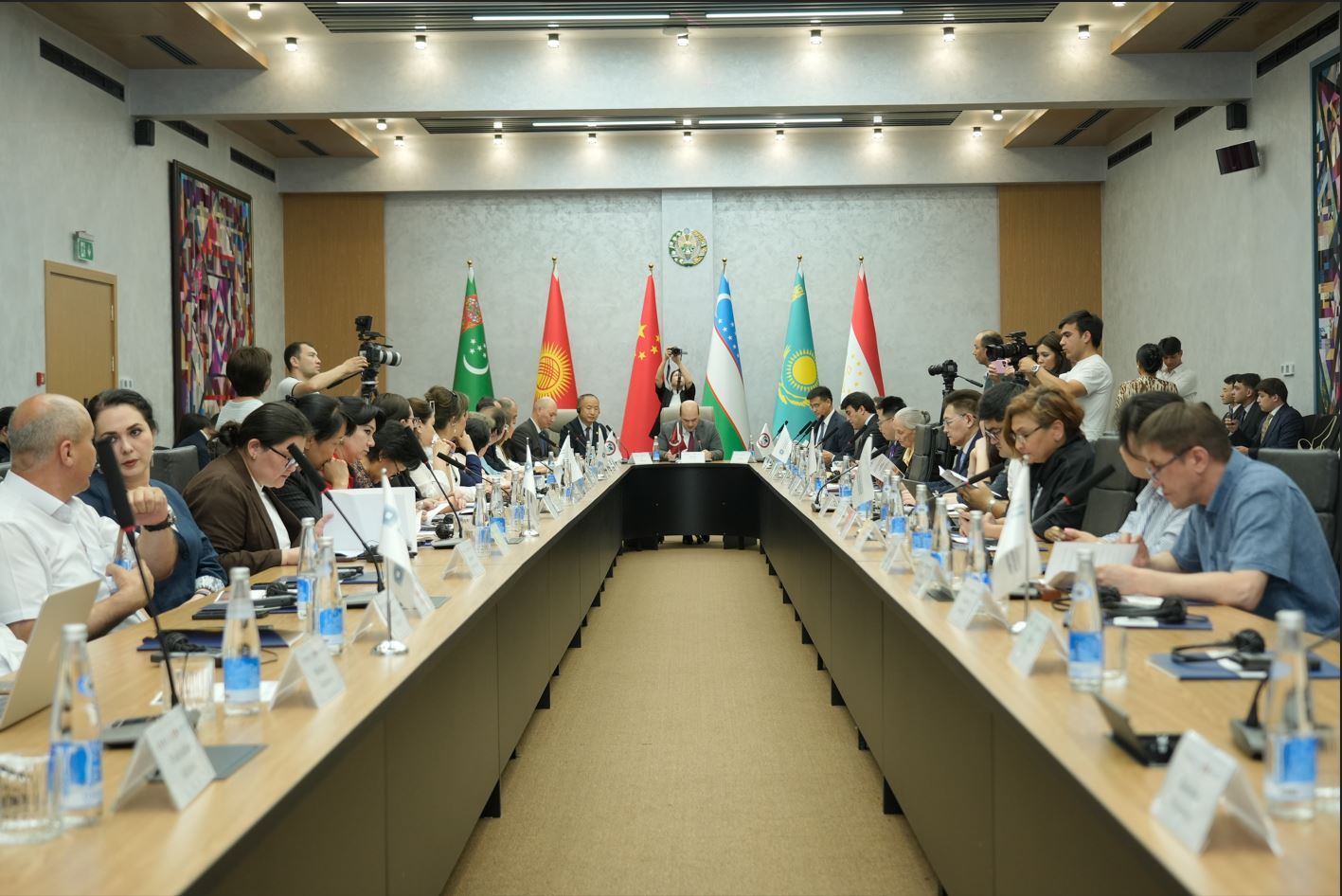
First Seminar Held within the UWED–UTokyo GAS “Central Eurasia Initiative” in Cooperation between UWED and the University of Tokyo
First Seminar Held within the UWED–UTokyo GAS “Central Eurasia Initiative” in Cooperation between UWED and the University of Tokyo
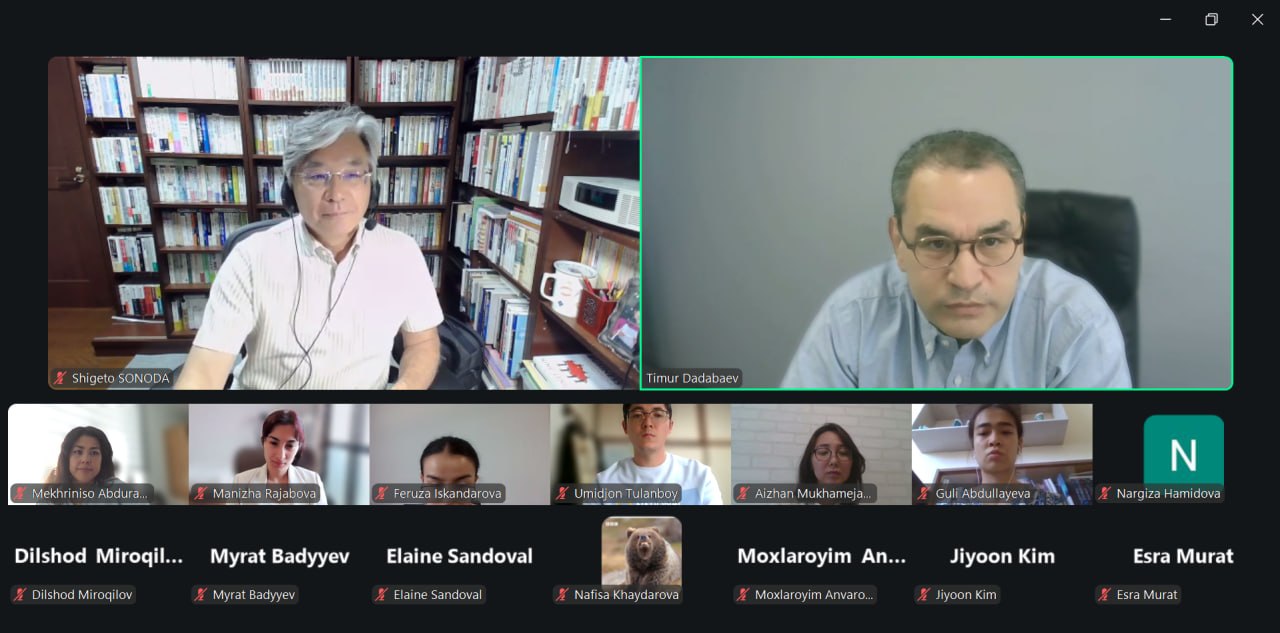
On June 12, 2026, the first academic seminar was held within the framework of the UWED–UTokyo GAS “Central Eurasia Initiative”, launched jointly by the University of World Economy and Diplomacy and the Institute for Advanced Studies on Asia of the University of Tokyo.
The seminar, held in an online format, was dedicated to the topic “Contextualizing Central Asian Migration to East Asia: Analysis of Central Asian Migration to South Korea.” The event focused on migration processes from Central Asian countries to South Korea and East Asia, including labor and educational migration, youth mobility, gender aspects, and the adaptation of migrants in host societies.
The seminar was opened by Professor Shigeto Sonoda of the University of Tokyo and Professor Timur Dadabayev, Vice-Rector for Research and Innovation at UWED. They introduced the main objectives of the UWED–UTokyo GAS “Central Eurasia Initiative”, its academic significance, and promising areas for future cooperation.
During the event, Professor T. Dadabayev delivered a presentation on the aspirations of Central Asian migrants, the interconnection between education and employment, as well as issues related to migration governance.
As the first academic event under the UWED–UTokyo GAS “Central Eurasia Initiative”, the seminar marked an important step toward further strengthening research, educational, and policy-oriented dialogue between Central Asia and East Asia.
Going forward, the initiative envisages the development of joint research projects, academic seminars, educational exchanges, publications, and the expansion of international expert dialogue.
| Date: | 13.06.2026 |
| Views: | 875 |
| Share: |