The Psychology of a Modern Diplomat: The Embodiment of a Nation through the Harmony of Knowledge, Values, and Personal Growth
The Psychology of a Modern Diplomat: The Embodiment of a Nation through the Harmony of Knowledge, Values, and Personal Growth
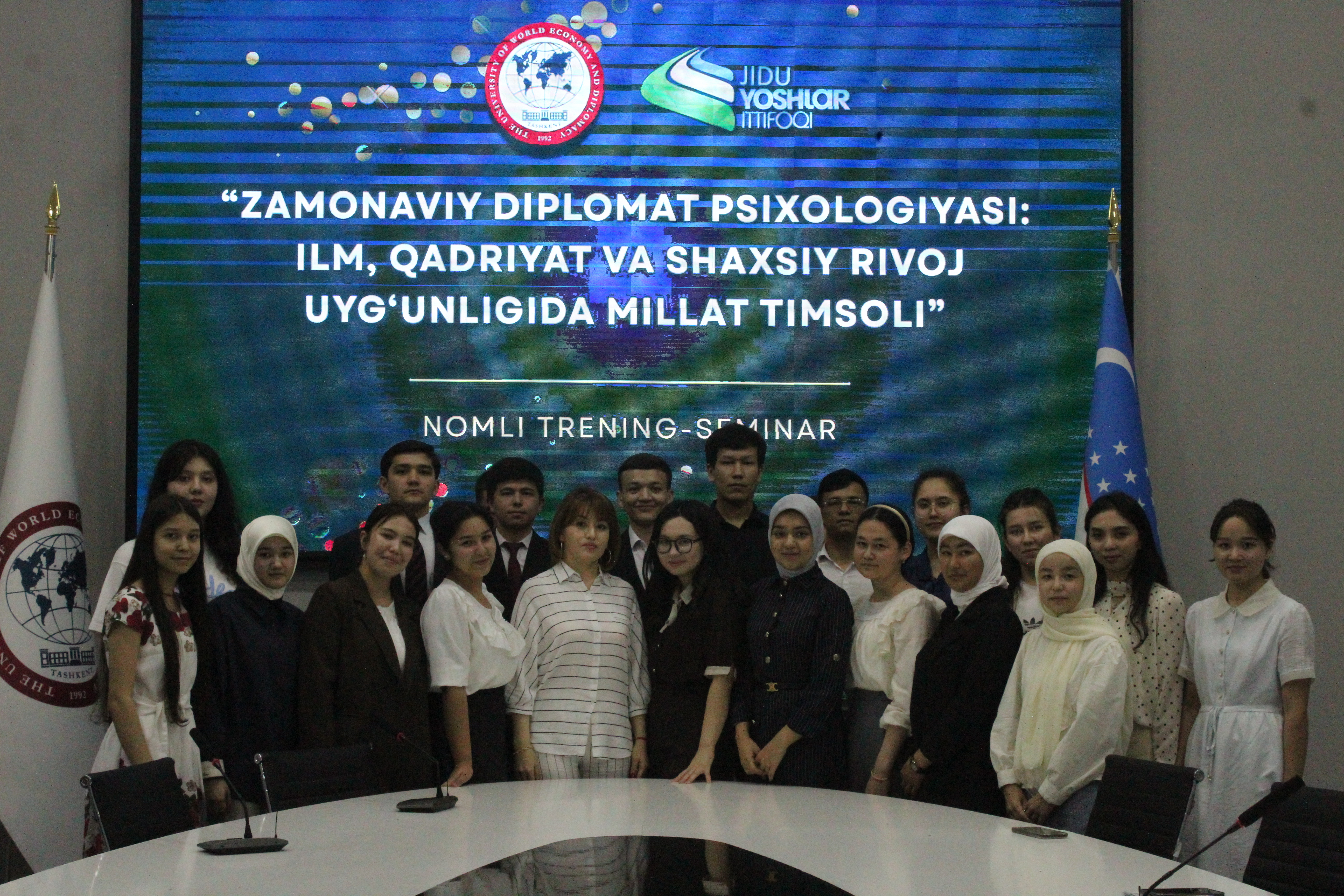
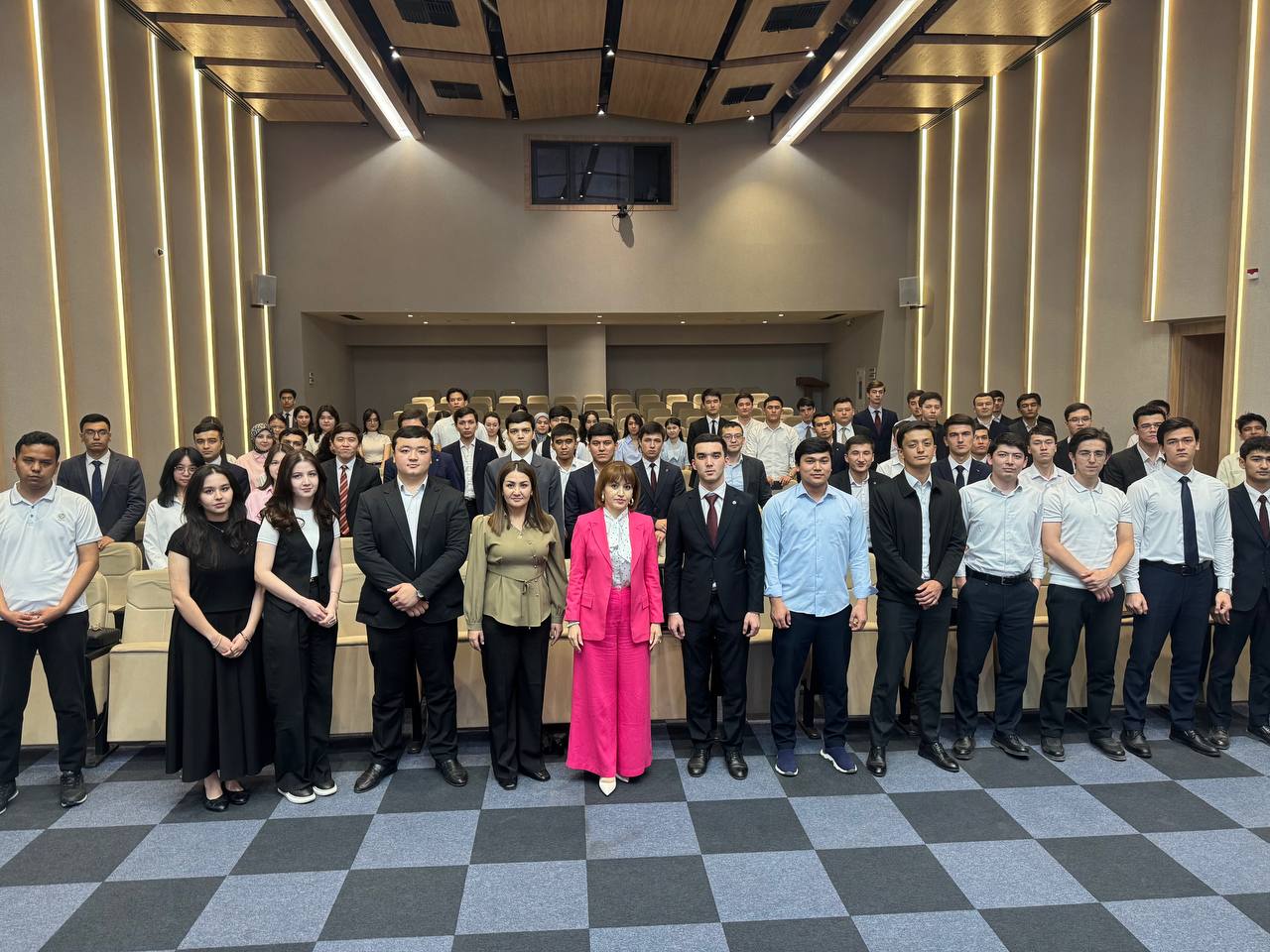
A practical seminar and training session was held at UWED, aimed at enhancing the psychological resilience, professional competence, and leadership skills of future diplomats. In today’s era of globalization, effectively protecting national interests in the international arena demands not only extensive knowledge and intellectual potential but also rigorous psychological preparation and strong willpower. Organized in this spirit, the event was successfully conducted in high style through the collaboration of university psychologist N. Norova, the Office of Student Engagement, and the Youth Union coordinator. The seminar focused on detailed discussions regarding the psychological stability, professional ethics, leadership qualities, and personal development traits inherent to the profile of a modern diplomat.
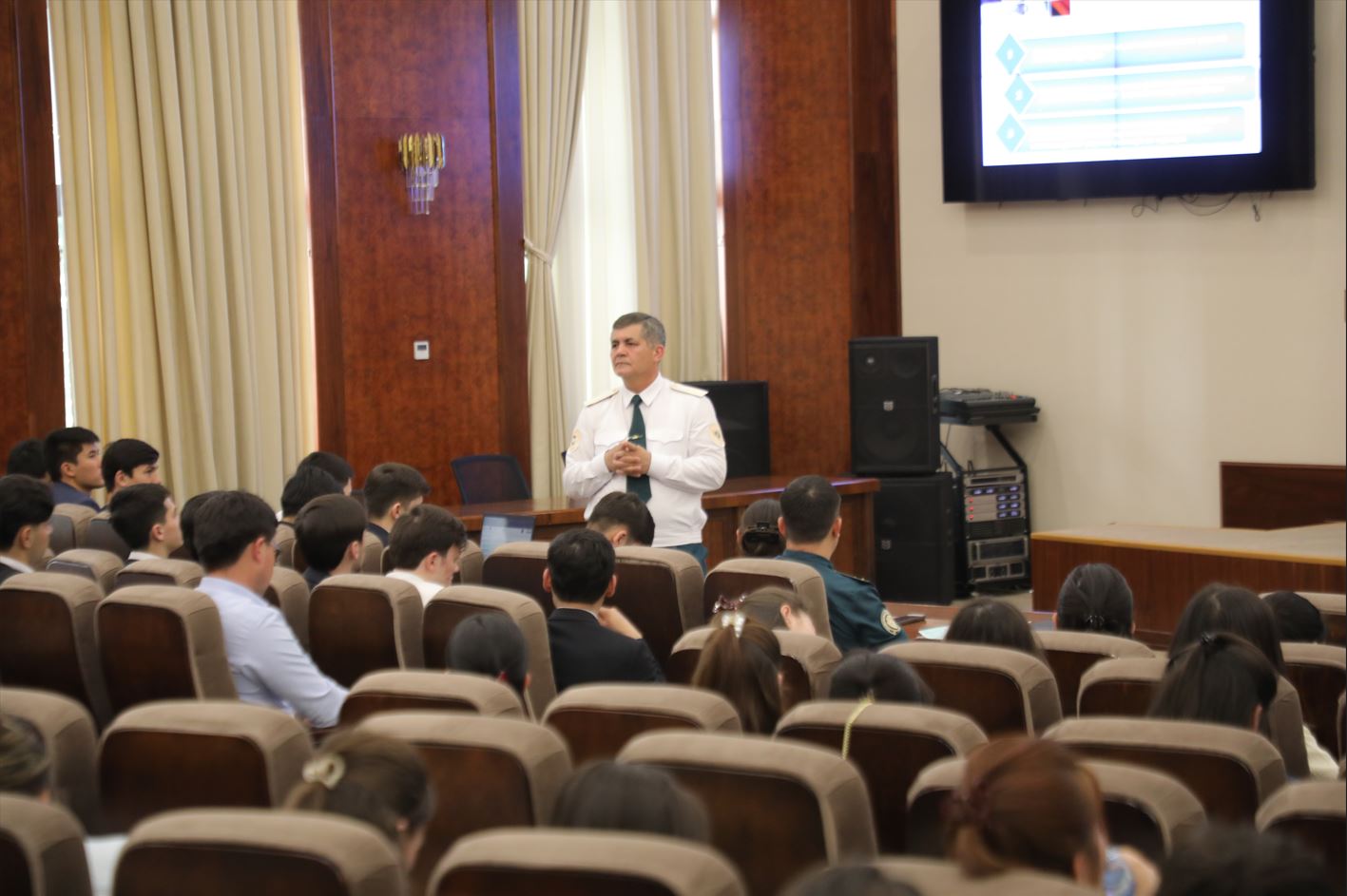
During the seminar, university psychologist N. Norova provided valuable recommendations to the future specialists on the rules of emotional and mental balance in diplomatic activity. The speaker emphasized that under any circumstances, a diplomat serves as the face of their country and the embodiment of the nation. Therefore, during the training, students were introduced to the art of managing emotions during difficult negotiations and unexpected stressful situations, maintaining strategic thinking, and accurately assessing objective and subjective circumstances. Particular attention was drawn to the fact that a diplomat's psychological integration with science, national values, and high spirituality constitutes their greatest strength in the international arena.
Speaking at the event, S. Tilyaxodjayeva, a specialist from the Office of Student Engagement, highlighted the profound importance of today's youth being socially active, working continuously on self-improvement, and making effective use of the wide range of opportunities created at the university. In turn, the Youth Union coordinators also called on students to actively engage by utilizing all available opportunities and to practically demonstrate their leadership skills in various projects and initiatives.
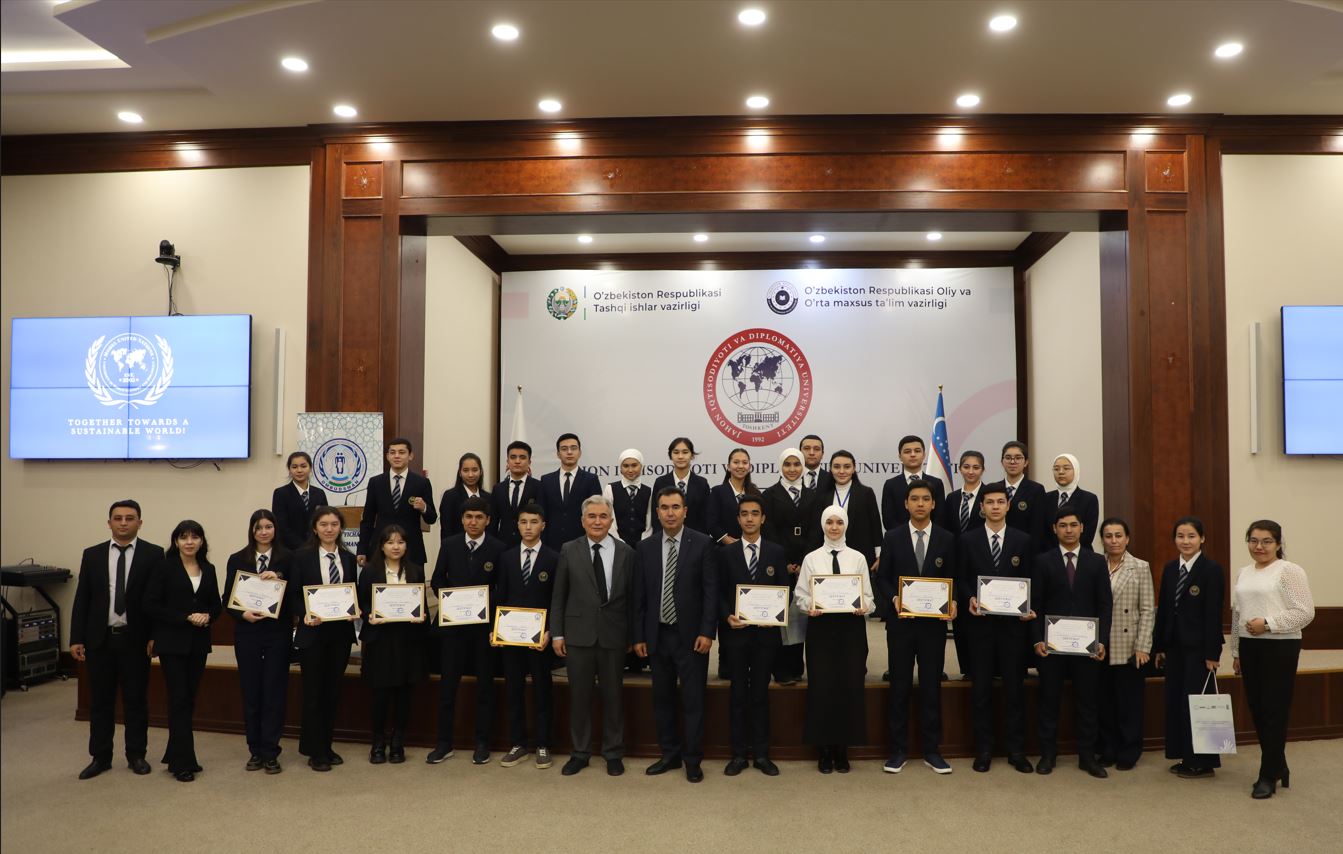
The most exciting part of the seminar-training continued with an award ceremony. A group of talented students, who stood as role models for their peers through their initiative, activity, and dedication in psychological seminars and spiritual-educational events held throughout the year, were awarded special certificates by the university administration. Rich in Q&A sessions, interesting debates, and a lively exchange of ideas, this event left a great impression on the young future specialists and served as a new incentive toward their future goals.
| Date: | 22.05.2026 |
| Views: | 787 |
| Share: |