Features of Interstate Ceremonial Protocol in Persian-Speaking Countries
Features of Interstate Ceremonial Protocol in Persian-Speaking Countries
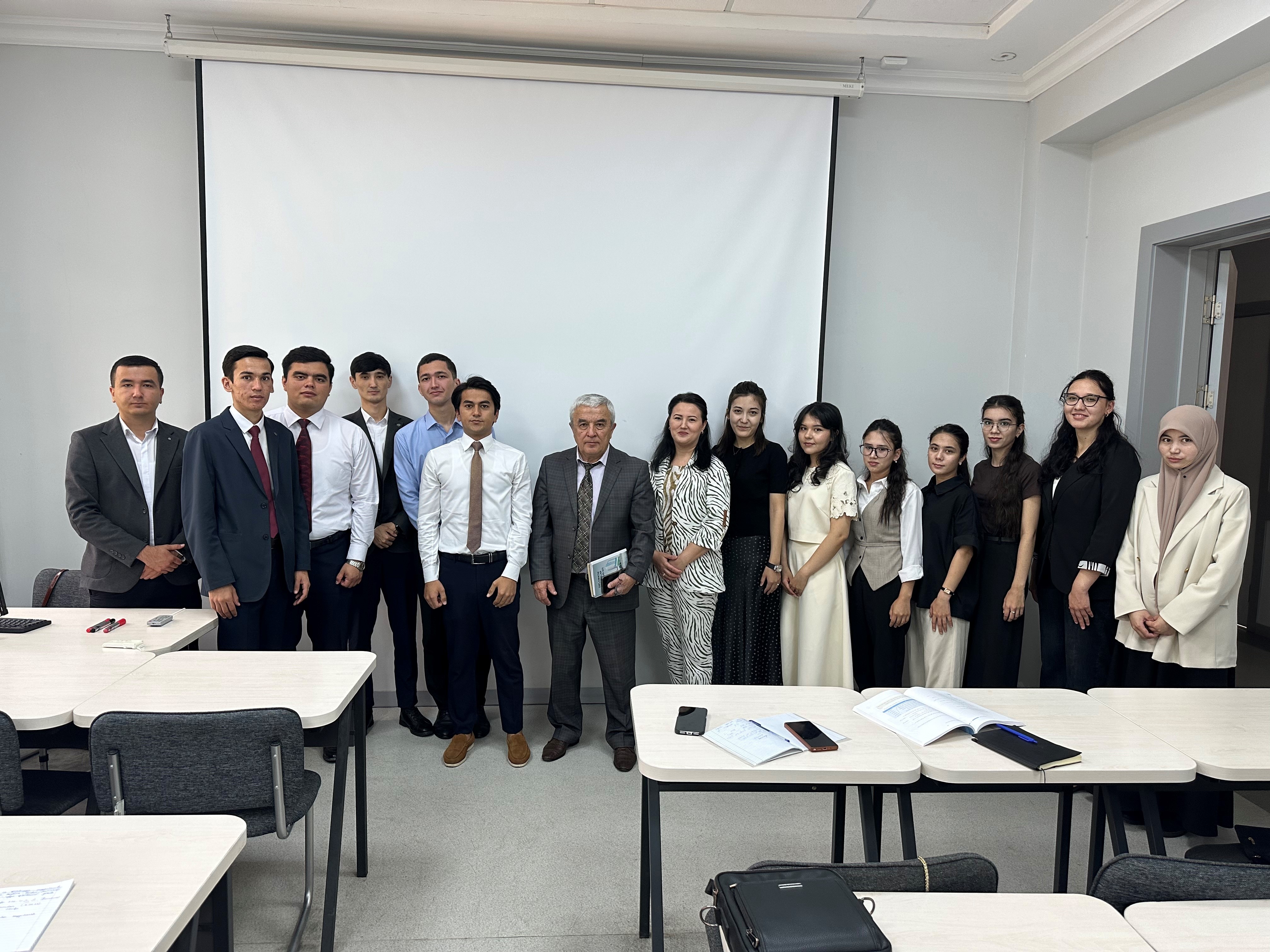
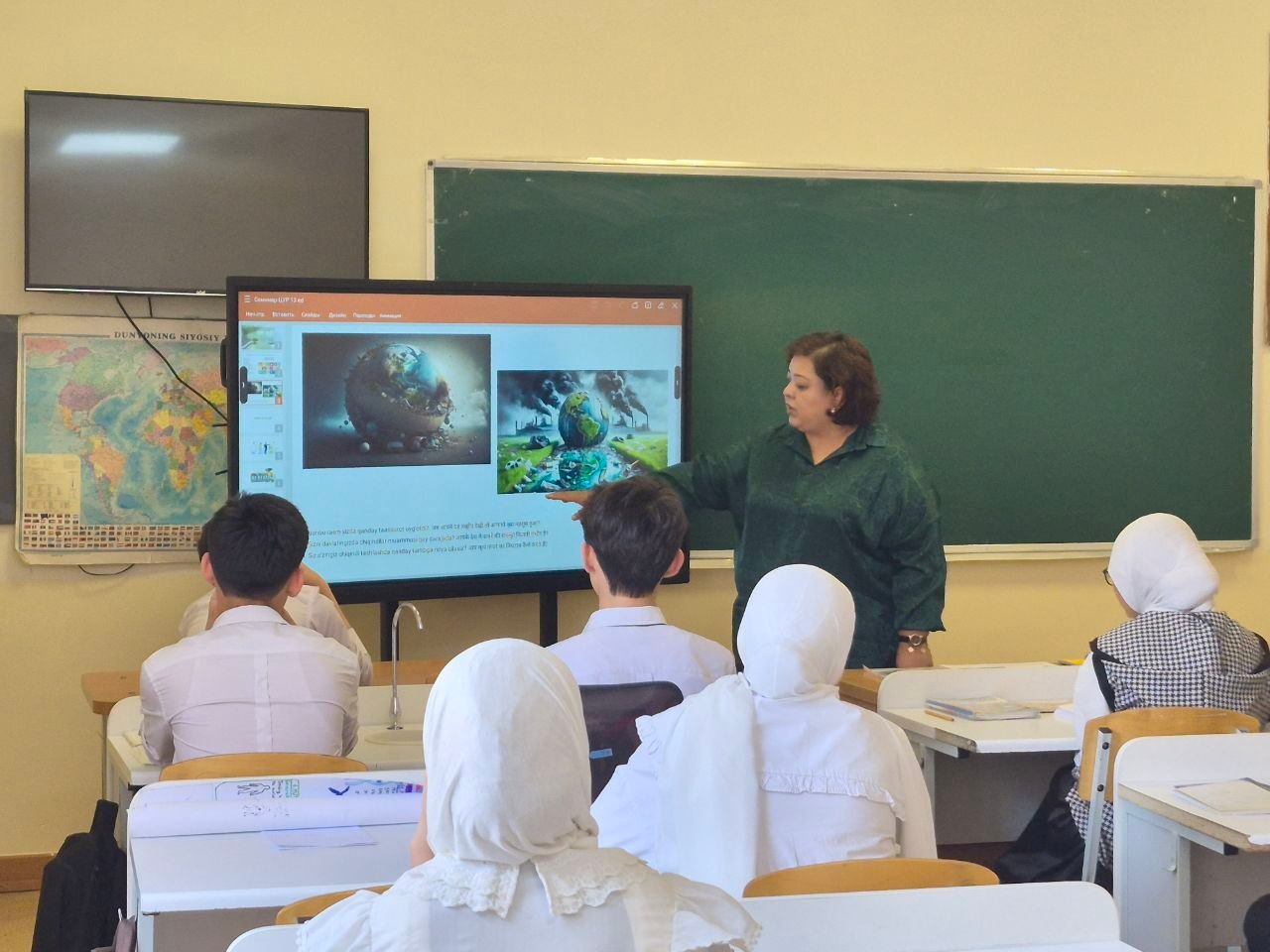
On April 27, the University of World Economy and Diplomacy hosted a master class on the nuances of diplomatic protocol in countries such as Iran, Afghanistan, and Tajikistan. Attendees learned about the practical aspects of diplomatic work in these nations, taking into account their unique historical and cultural contexts. The event featured a comparative analysis of the protocol norms and etiquette specific to these Persian-speaking countries.
The master class was organized by the Department of Oriental Languages and led by Isroil Usmanovich Shamsimukhammedov, Head of the Advanced Training Department at the Diplomatic Academy of UWED. He is a Candidate of Philological Sciences, an Associate Professor, and a scholar specializing in Iranian and Afghan studies.
Third-year students from the Faculty of International Law had the opportunity to learn about the rules of diplomatic protocol, national traditions, and the culture of official communication in Farsi-speaking countries. The event's program covered key aspects of organizing high-level visits, conducting official ceremonies, and diplomatic standards. Special attention was given to the cultural codes of Iran, Afghanistan, and Tajikistan, an understanding of which is essential for the proper observance of protocol.
The final part of the event was a discussion session, allowing participants to consolidate the knowledge they had gained.
| Date: | 28.04.2026 |
| Views: | 852 |
| Share: |