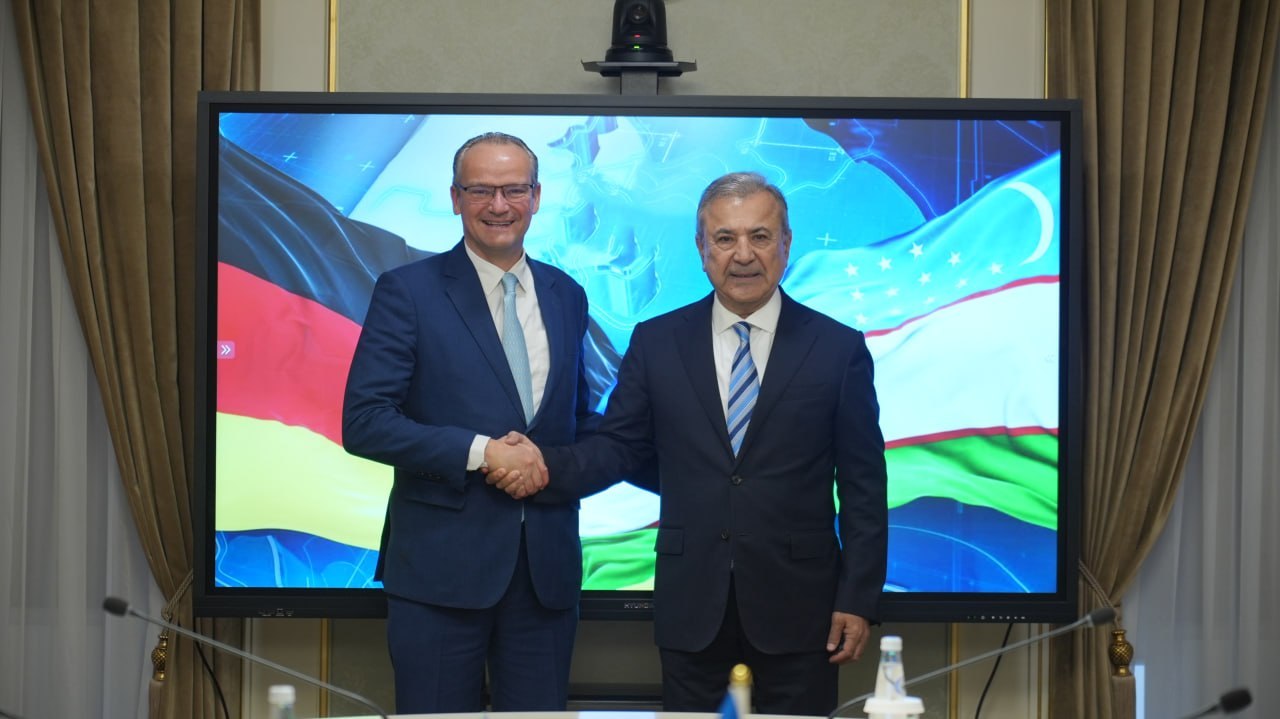
UWED representatives held a round table in the mahalla dedicated to the Sustainable Development Goals
UWED representatives held a round table in the mahalla dedicated to the Sustainable Development Goals
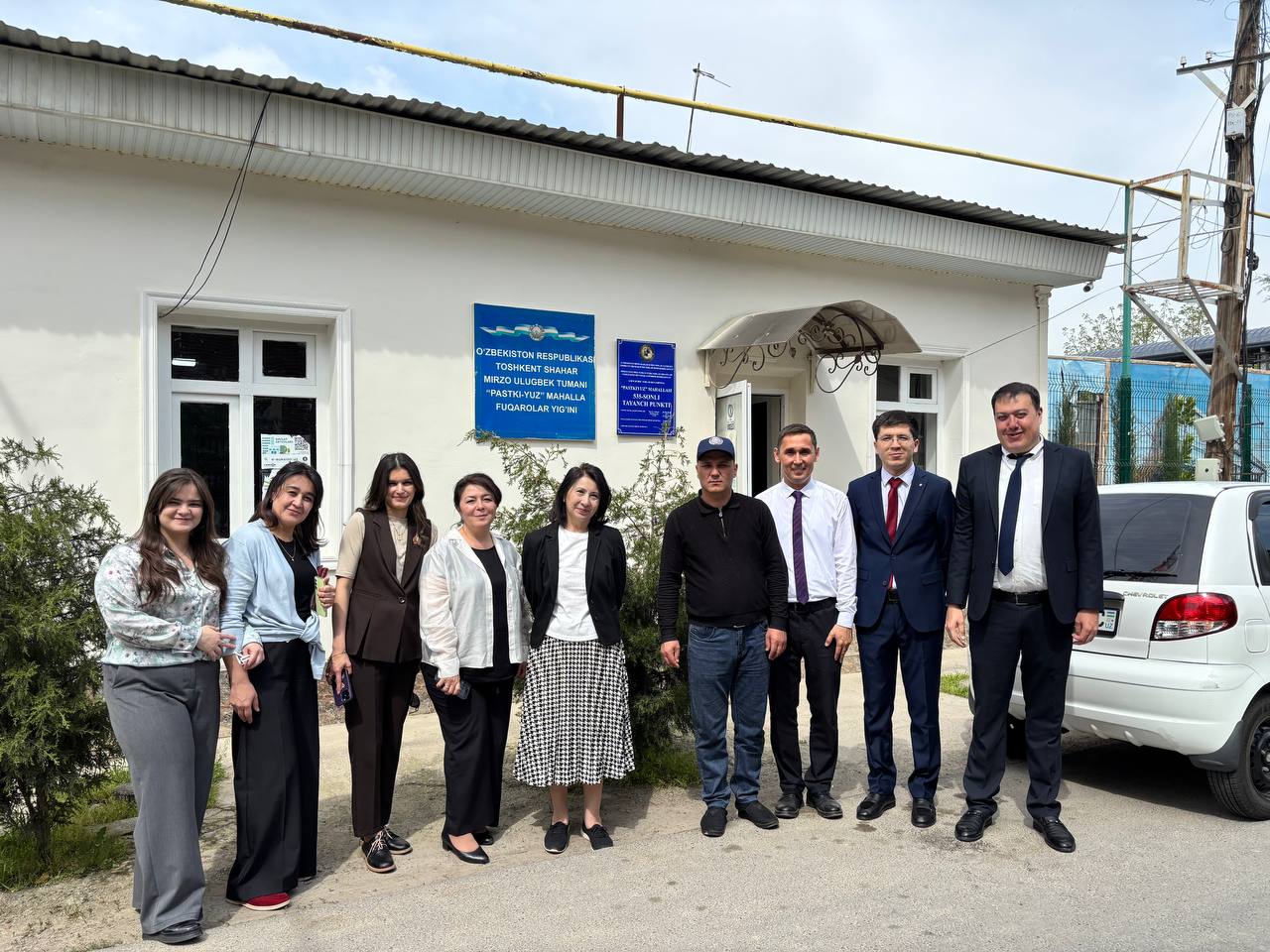
On April 2, 2026, the teaching staff of the department of “International Finance and Investment” of the University of World Economy and Diplomacy visited the gathering of citizens of the “Pastki-Yuz” mahalla of the Mirzo-Ulugbek district of Tashkent and held a scientific and practical round table on the topic “Sustainable Development Goals (SDGs).” The main goal of the event was to widely explain the essence and significance of the SDGs among residents of the mahalla in harmony with the priority directions of national development, as well as to stimulate the active participation of citizens in socio-economic processes.
During the round table, the conceptual foundations of the Sustainable Development Goals, their global and national significance, as well as their role in ensuring human well-being, protecting the environment and achieving sustainable economic growth until 2030 were covered in detail.
The event focused on reducing poverty and hunger, expanding access to quality education, strengthening gender equality, promoting decent work and economic growth, developing innovation and infrastructure, ensuring environmental sustainability, and combating climate change.
During the dialogue, reforms carried out in Uzbekistan were also considered inextricably linked with the SDGs. In particular, it was noted that work to develop human capital, improve the quality of education, expand the digital economy and electronic government services, improve the social protection system, and promote the principles of the “green economy” is an important component of the sustainable development agenda.
Considering that the event took place shortly after the bright holiday of Navruz - a symbol of the renewal of nature, kindness and generosity - the participants especially emphasized that the ideas of harmony between man and the environment, embedded in the traditions of this holiday, are deeply in tune with modern principles of sustainable development.
During an open dialogue with residents of the mahalla, practical mechanisms for sustainable development at the local level were discussed. In particular, proposals and considerations were made to improve environmental culture, rational use of energy and natural resources, broad involvement of youth in social and innovative initiatives, as well as strengthening public activity through support of local initiatives. The interactive format of the event further increased its practical significance.
| Date: | 02.04.2026 |
| Views: | 947 |
| Share: |