UWED STUDENTS PARTICIPATE IN FORENSIC MEDICAL EXAMINATION PRACTICE
UWED STUDENTS PARTICIPATE IN FORENSIC MEDICAL EXAMINATION PRACTICE
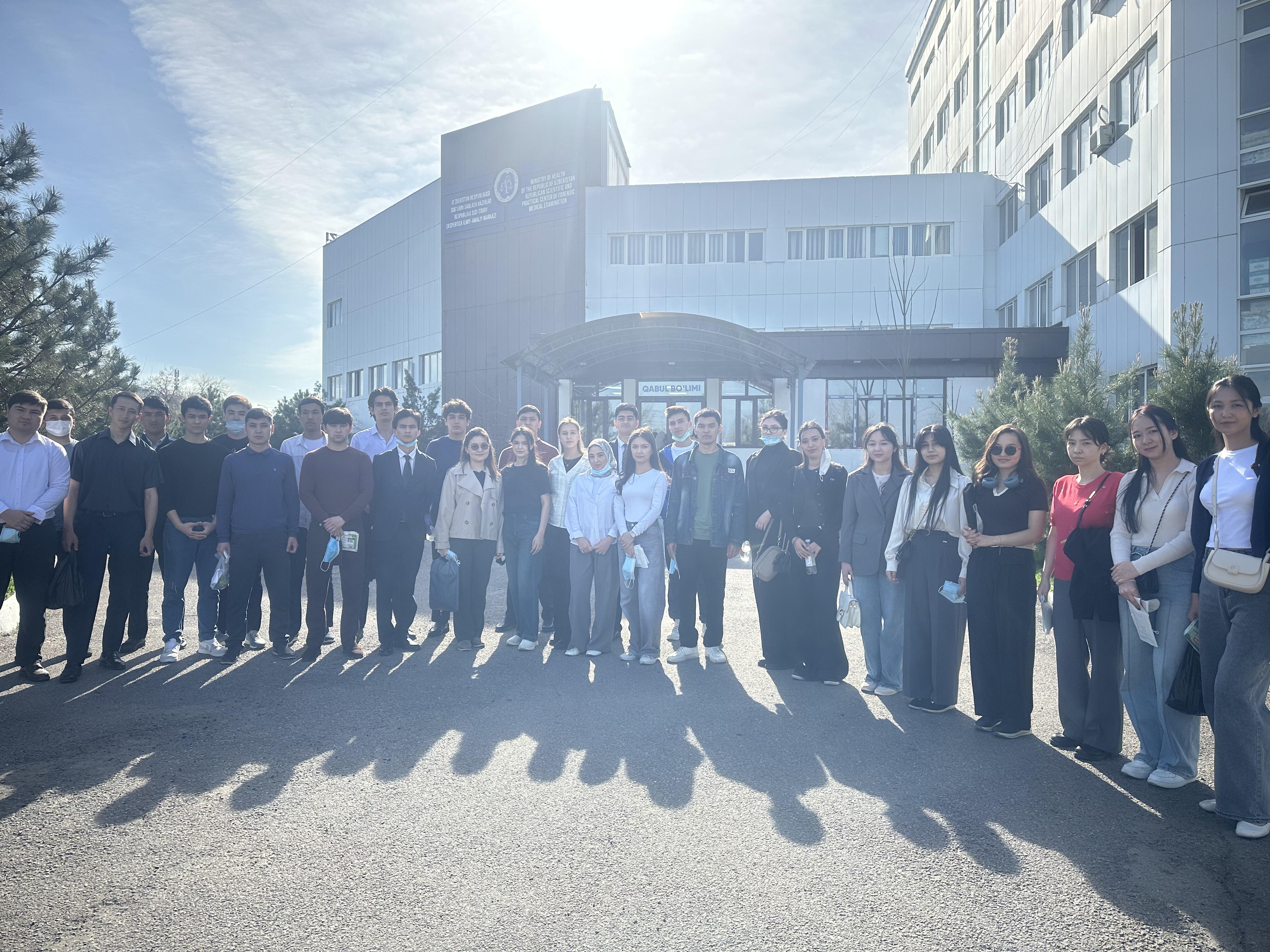
On 28 March 2026, at the initiative of Senior Lecturer D. Soliyev and Lecturer N. Uzakbayeva of the Department of International Law and Public Law Disciplines of the University of World Economy and Diplomacy, a practical training session was organized for second-year students of the Faculty of International Law at the Tashkent City branch of the Republican Scientific and Practical Center of Forensic Medical Examination. The session was conducted with the participation of forensic experts and specialists and included the demonstration of forensic examination procedures, including autopsy practices.
The primary objective of this practical session was to reinforce students’ theoretical knowledge of forensic medical examination through its integration with real-world professional practice, as well as to facilitate a deeper understanding of the role and significance of forensic expertise within the legal system.
During the training, students had the opportunity to directly observe forensic activities, including autopsy procedures, medical examinations, evidence collection and analysis, and the preparation of expert conclusions. Specialists provided comprehensive explanations of medical-legal terminology used in the field, the role of experts in criminal and civil proceedings, and the evidentiary value and reliability of expert conclusions in judicial decision-making.
Particular attention was given to the role of forensic medical conclusions in ensuring fair trial standards and in safeguarding human rights and legitimate interests, illustrated through practical case-based examples. Students received detailed and well-reasoned responses to their questions from field specialists.
This practical session not only contributed to the development of students’ practical skills but also broadened their professional perspectives, familiarized them with potential challenges in their future careers, and supported the formation of competencies necessary for a comprehensive understanding of medico-legal processes.
The activity also aligns with the Sustainable Development Goals, in particular SDG 16 (Peace, Justice and Strong Institutions) and SDG 4 (Quality Education). By engaging with the practical aspects of forensic medical examination, students enhanced their understanding of the mechanisms ensuring the rule of law, the administration of justice, and the protection of human rights. Furthermore, the session contributes to the development of professional competencies, preparing students to meet the demands of the modern labour market.
| Date: | 28.03.2026 |
| Views: | 775 |
| Share: |