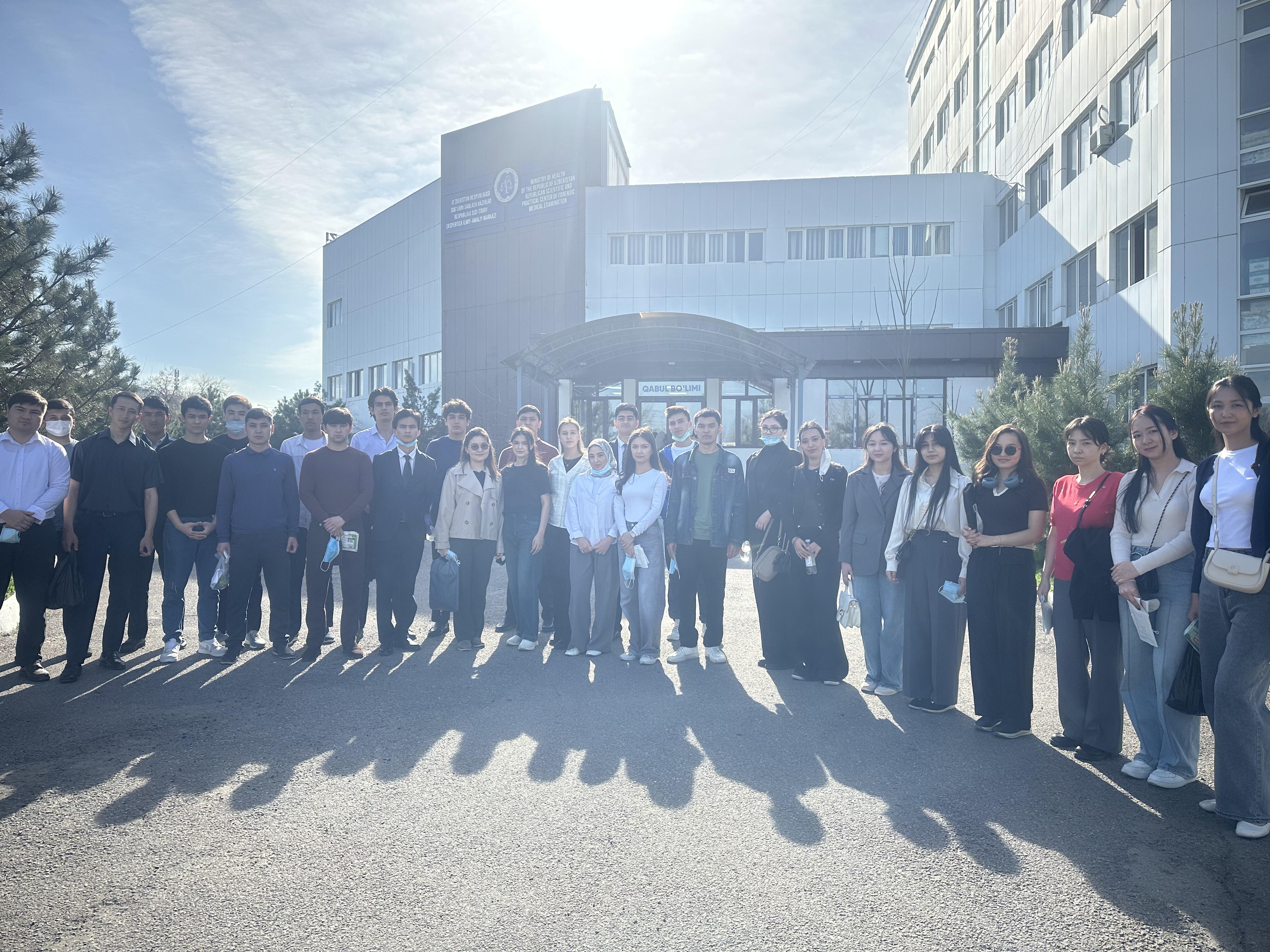
Master Class on “Legal Framework for Identifying Drug-Related Crimes and Sentencing Principles”
Master Class on “Legal Framework for Identifying Drug-Related Crimes and Sentencing Principles”
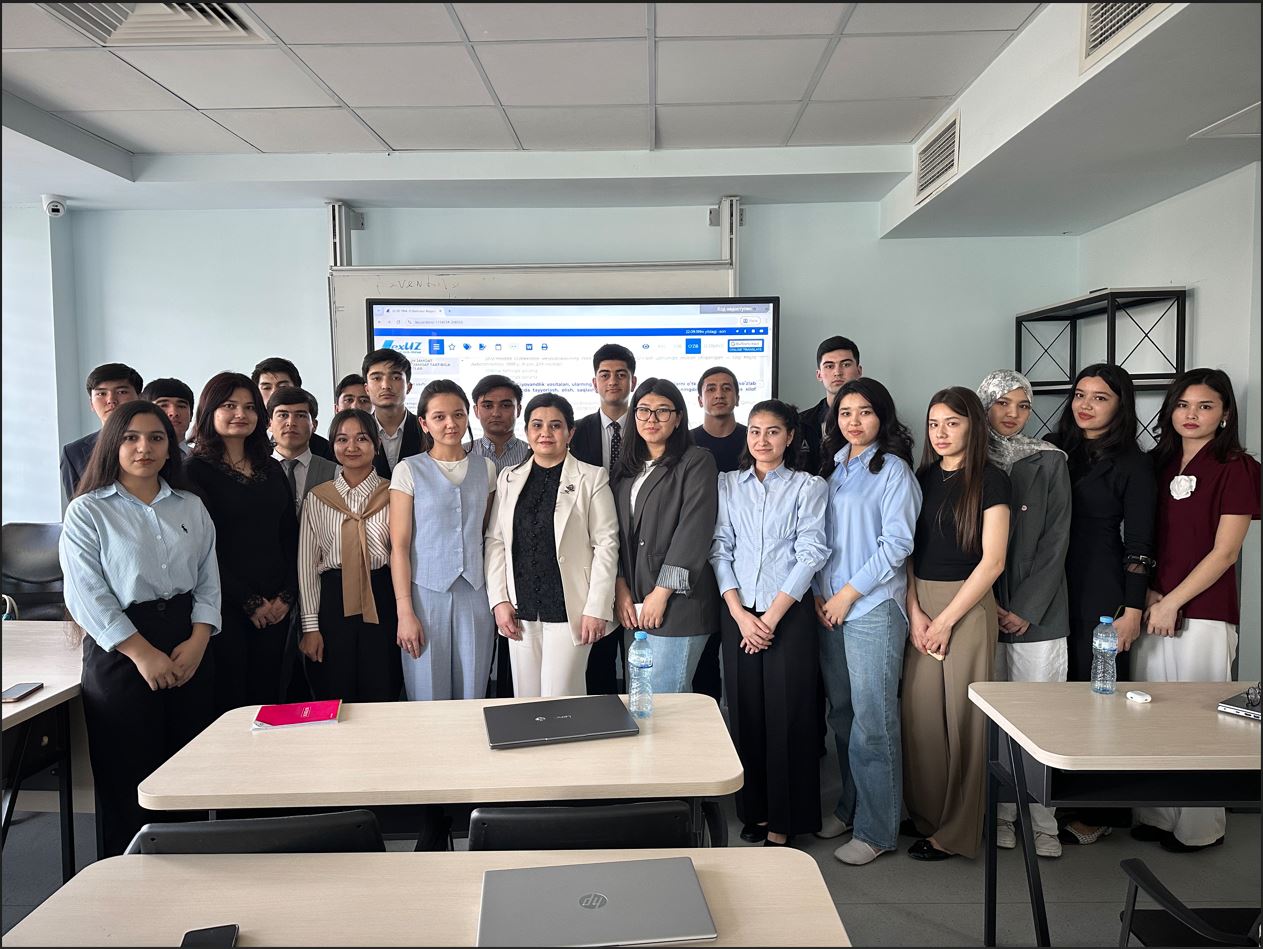
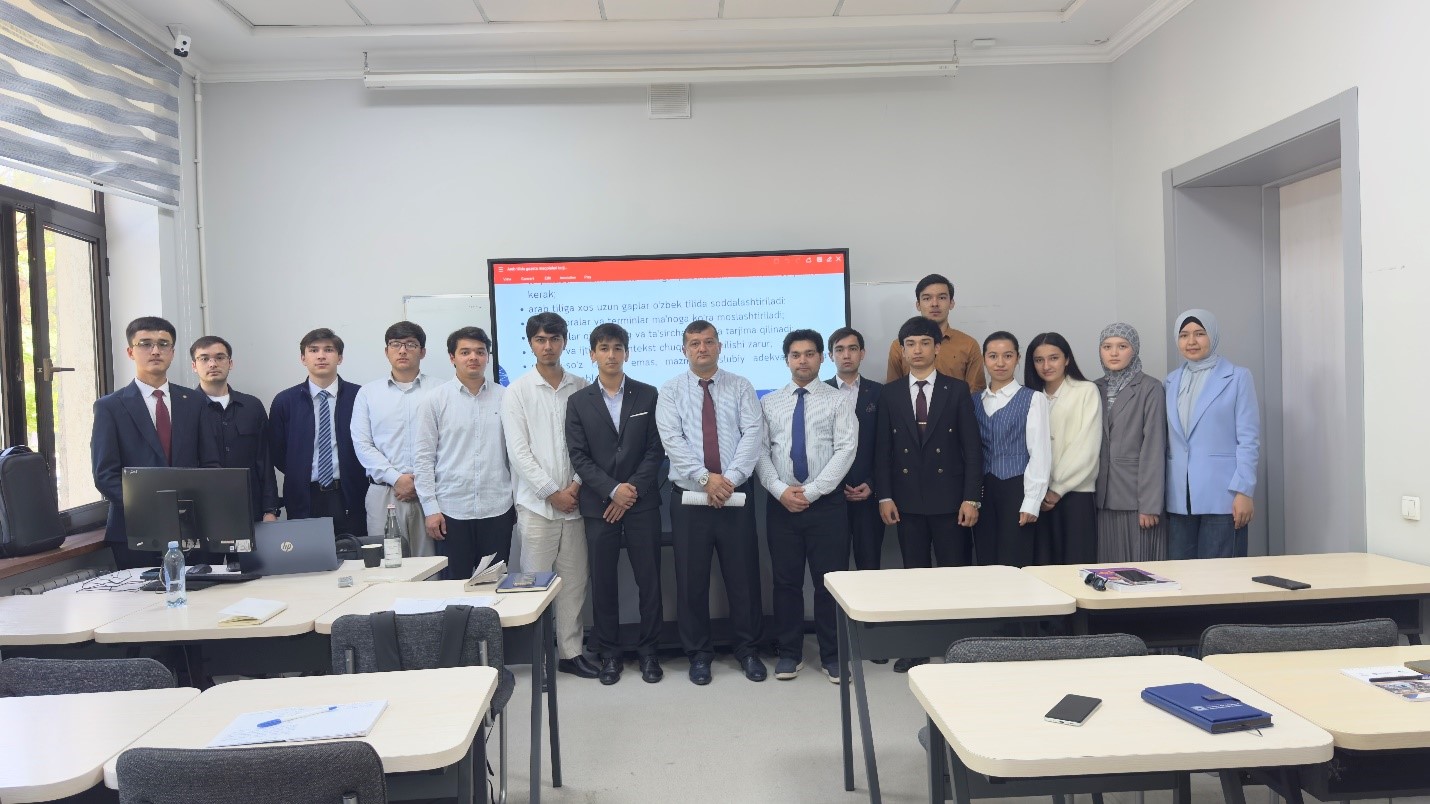
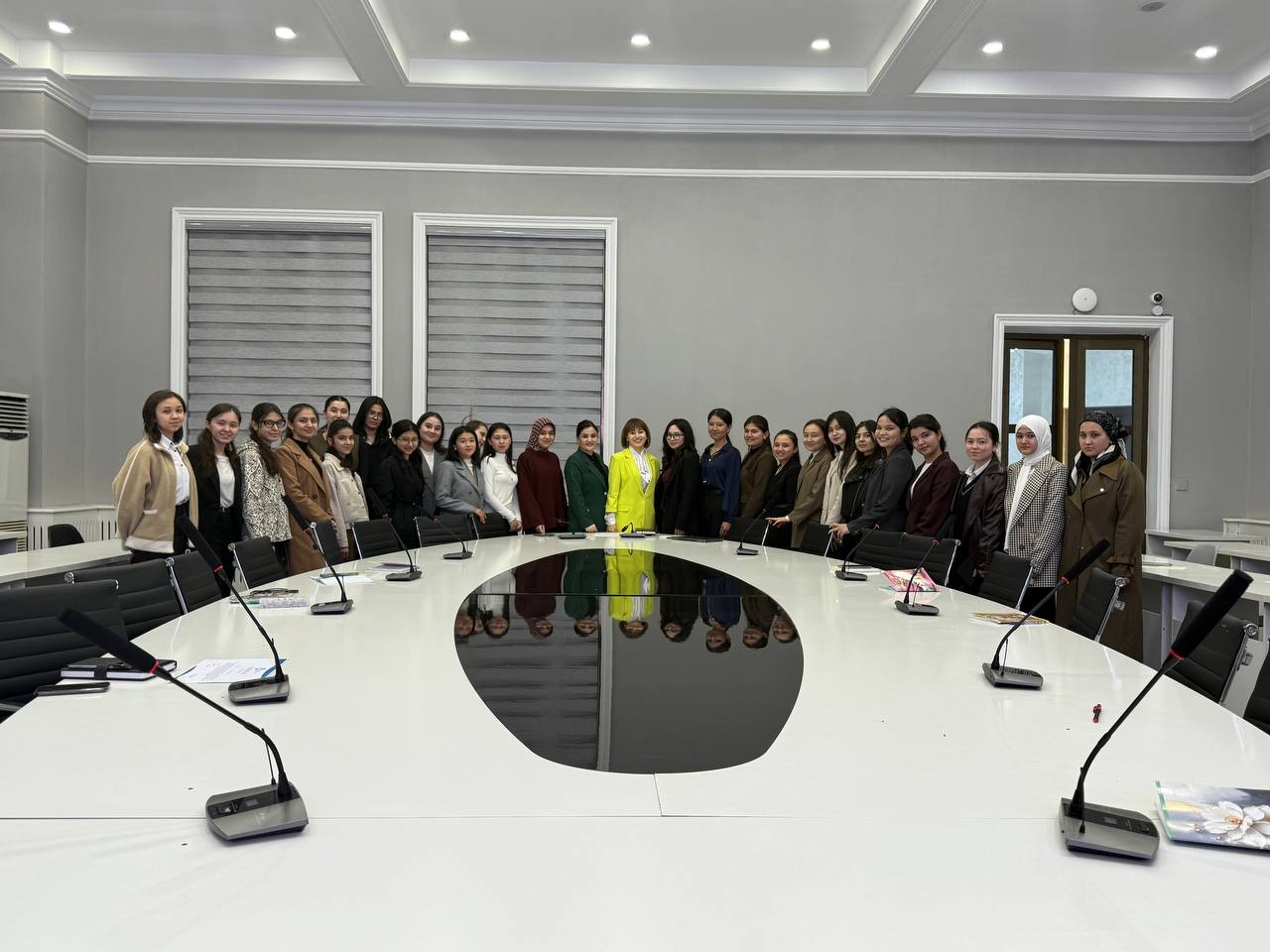
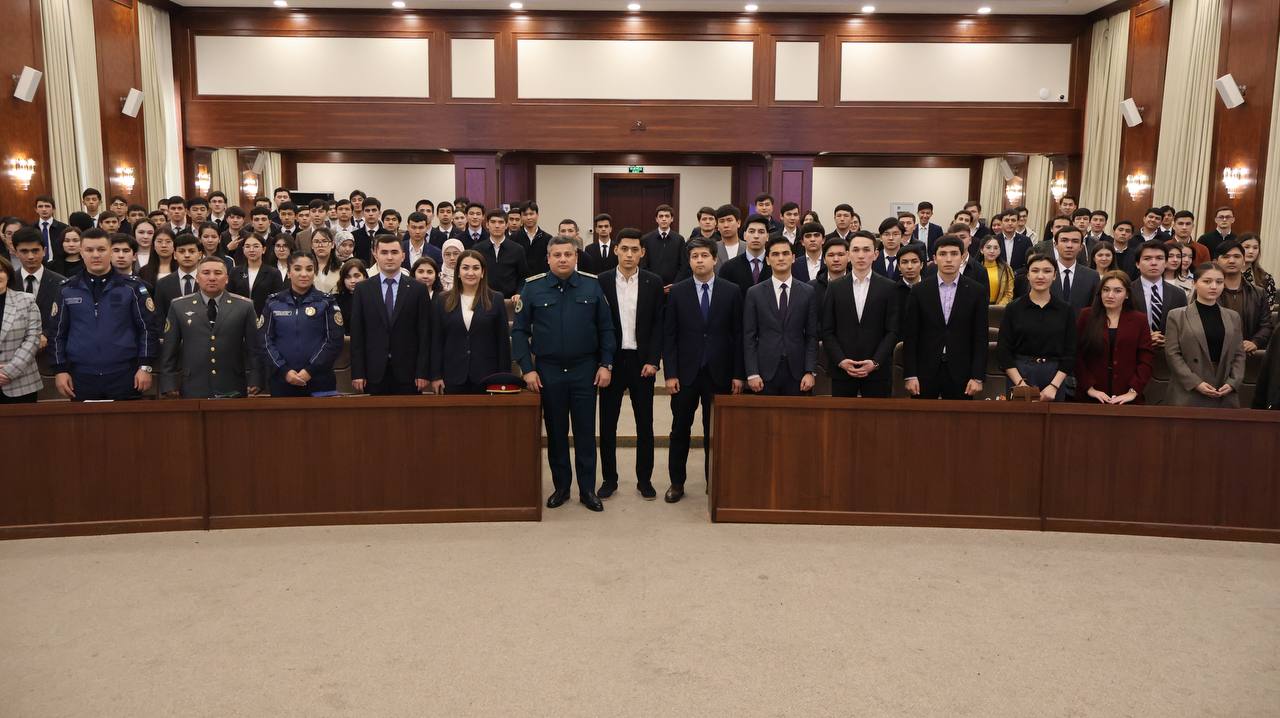
On 28 March 2026, at the University of World Economy and Diplomacy, a practical master class entitled “Legal Framework for Identifying Drug-Related Crimes and Sentencing Principles” was organized for students of the Faculty of International Law at the initiative of Senior Lecturer D. Soliyev and Lecturer N. Uzakbayeva from the Department of International Law and Public Law Disciplines. The session was delivered by D. Choriyeva, Judge of the Sergeli District Criminal Court of Tashkent.
The primary objective of the master class was to deepen students’ knowledge of procedural and substantive legal issues arising in judicial practice related to drug-related offences, as well as to develop a systematic understanding of crime qualification, evidentiary assessment, and the principles of fair sentencing. Furthermore, the session addressed contemporary approaches to combating drug-related crimes, including the alignment between international standards and national legislation.
During the session, the judge provided detailed explanations of the key factors considered in the qualification of offences involving the illegal circulation of narcotic drugs and psychotropic substances, including the degree of social harm, the form of guilt, the circumstances of the offence, and the principles of individualization of punishment. Particular emphasis was placed on the fundamental principles of justice, proportionality, and humanism in sentencing.
The master class contributed not only to strengthening students’ theoretical knowledge but also to enhancing their understanding of practical law enforcement, developing analytical thinking skills, and fostering professional competencies essential for their future legal careers.
The event is aligned with the Sustainable Development Goals, particularly SDG 16: Peace, Justice and Strong Institutions and SDG 4: Quality Education. Through this training, students gained a deeper understanding of the mechanisms ensuring the rule of law, effective crime prevention, and the protection of human rights.
| Date: | 28.03.2026 |
| Views: | 973 |
| Share: |