UWED hosts a round table on aligning customs legislation with international standards in the context of Uzbekistan’s WTO accession
UWED hosts a round table on aligning customs legislation with international standards in the context of Uzbekistan’s WTO accession
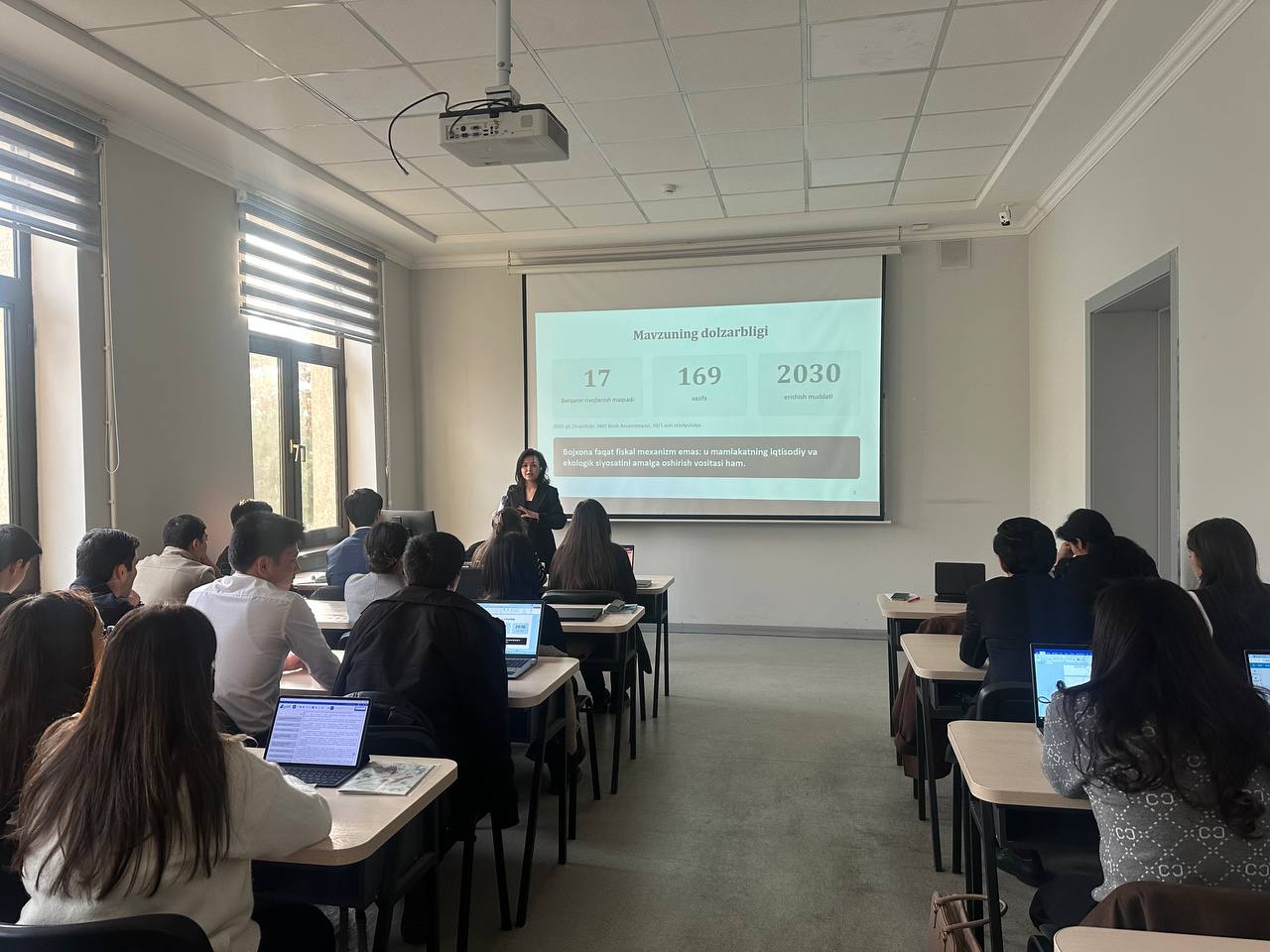
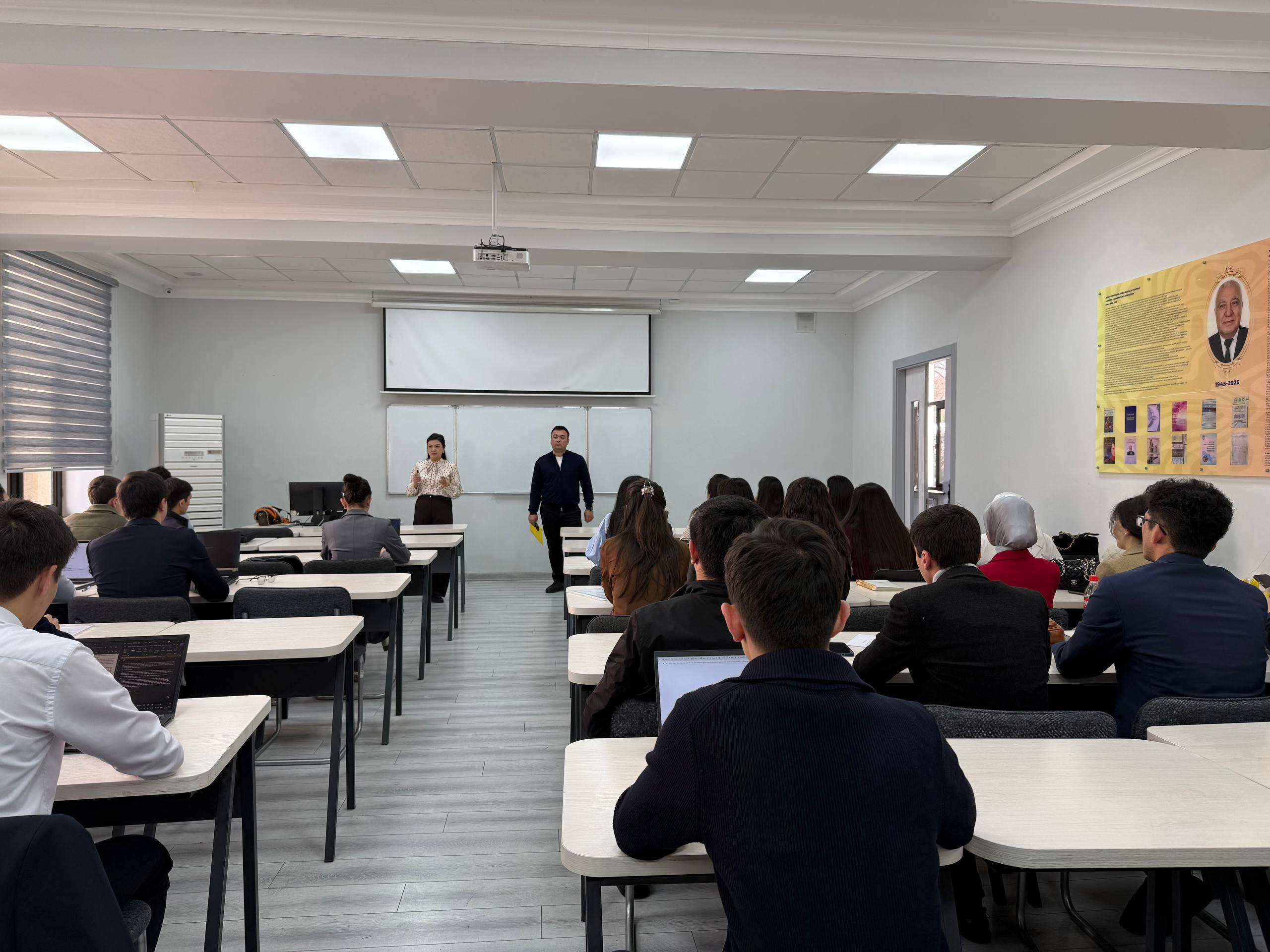
On November 18, 2026, at the initiative of D. Soliyev, Senior Lecturer at the Department of International Law and Public Law Disciplines of the University of World Economy and Diplomacy, a round table with students was held within the course “Customs Law”. The topic of the round table was “Aligning Customs Legislation with International Standards in the Context of Uzbekistan’s WTO Accession”. The event was attended by faculty members of the department and university students.
The round table discussed the current stage of the accession process to the World Trade Organization and the key WTO agreements relating to customs matters. These included Article VII of the General Agreement on Tariffs and Trade (GATT) and the Agreement on Customs Valuation, the Trade Facilitation Agreement, the Agreement on Rules of Origin, and border measures for the protection of intellectual property rights. Particular attention was also paid to bringing the provisions of the Customs Code of the Republic of Uzbekistan into line with international requirements.
Participants noted that, as of July 2026, the Working Party on the Accession of Uzbekistan to the WTO had held 13 meetings. Since March 2026, Uzbekistan has adopted 190 legal acts to bring its legislation into conformity with WTO rules. The country has also signed 31 bilateral market access agreements.
Transparent, predictable and simplified customs procedures are an essential precondition for increasing foreign trade and expanding export potential. This issue is therefore closely linked to Sustainable Development Goal 8 — “Decent Work and Economic Growth” (SDG 8).
A key feature of the round table was the active participation of students. They conducted a comparative analysis of international trade law and national legislation, shared their views on the impact of WTO membership on the national economy and customs system, and took part in the discussion and Q&A session. Such an interactive format helps students develop skills in interpreting international treaties, analyzing legal problems and substantiating their own positions. It thereby supports quality education and contributes to Sustainable Development Goal 4 — “Quality Education” (SDG 4).
Strengthening the principles of legality, transparency and accountability in the work of customs authorities, and reducing corruption risks through the digitalization of customs procedures, play an important role in achieving Sustainable Development Goal 16 — “Peace, Justice and Strong Institutions” (SDG 16). At the same time, Uzbekistan’s integration into the universal, rules-based, open and non-discriminatory multilateral trading system under the WTO directly contributes to Sustainable Development Goal 17 — “Partnerships for the Goals” (SDG 17).
| Date: | 19.11.2026 |
| Views: | 26 |
| Share: |