“The Dark Side of AI”: Krasnoyarsk schoolchildren learn how to protect themselves from AI-powered fraudsters
“The Dark Side of AI”: Krasnoyarsk schoolchildren learn how to protect themselves from AI-powered fraudsters
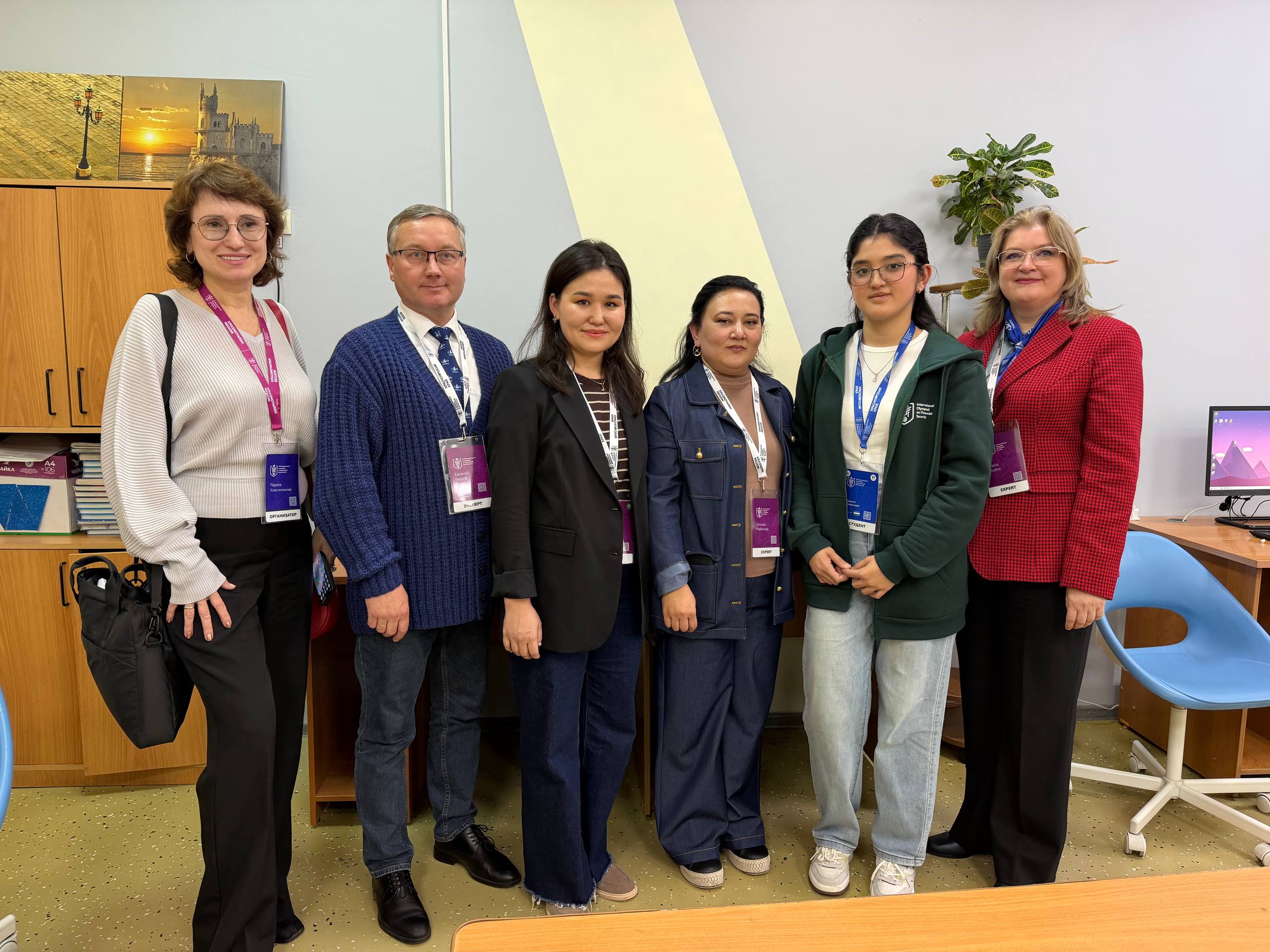
On 30 September 2026, as part of the VI International Olympiad on Financial Security, Naubakhar Bakhadyrovna Uzakbaeva gave a masterclass titled "The Dark Side of AI" to students of Boarding Secondary School No. 1 named after V. P. Sinyakov in Krasnoyarsk. She is a lecturer at the Department of International Law and Public Law Disciplines of the University of World Economy and Diplomacy.
In the age of artificial intelligence, financial literacy is becoming a skill of digital self-defence. Students learned how criminals use AI. Fraudsters fake the voices of loved ones with deepfakes, send personalised phishing emails and set up fake Wi-Fi networks (the "Evil Twin" attack). In romance scams, they also use neural networks to keep up conversations with victims for months. The masterclass gave particular attention to how teenagers are recruited as money mules under the guise of "easy side jobs," and to the criminal liability for taking part in laundering criminal proceeds. Participants also looked at the warning signs of financial pyramid schemes and crypto-asset fraud.
Participants learned practical safety rules: stay calm and resist pressure to act urgently; call loved ones back yourself and agree on a family code word; never enter passwords or card details on public Wi-Fi; turn on multi-factor authentication; and never transfer money to people you do not know.
"Fraudsters change their tools, but their goal stays the same: to switch off a person's vigilance and critical thinking. Our main protection is knowledge and the habit of stopping to check," said Naubakhar Uzakbaeva.
The event supports several UN Sustainable Development Goals. It contributes to SDG 4 "Quality Education" by building young people's financial and digital literacy. It also serves SDG 16 "Peace, Justice and Strong Institutions" by helping to counter illicit financial flows and fraud. In addition, it relates to SDG 8 "Decent Work and Economic Growth" by teaching students to use financial services safely. Finally, it reflects SDG 17 "Partnerships for the Goals" as an example of international cooperation in financial security.
| Date: | 30.09.2026 |
| Views: | 311 |
| Share: |