GUEST LECTURE ON THE FUNDAMENTAL PRINCIPLES OF ITALIAN CIVIL LAW HELD AT UWED
GUEST LECTURE ON THE FUNDAMENTAL PRINCIPLES OF ITALIAN CIVIL LAW HELD AT UWED
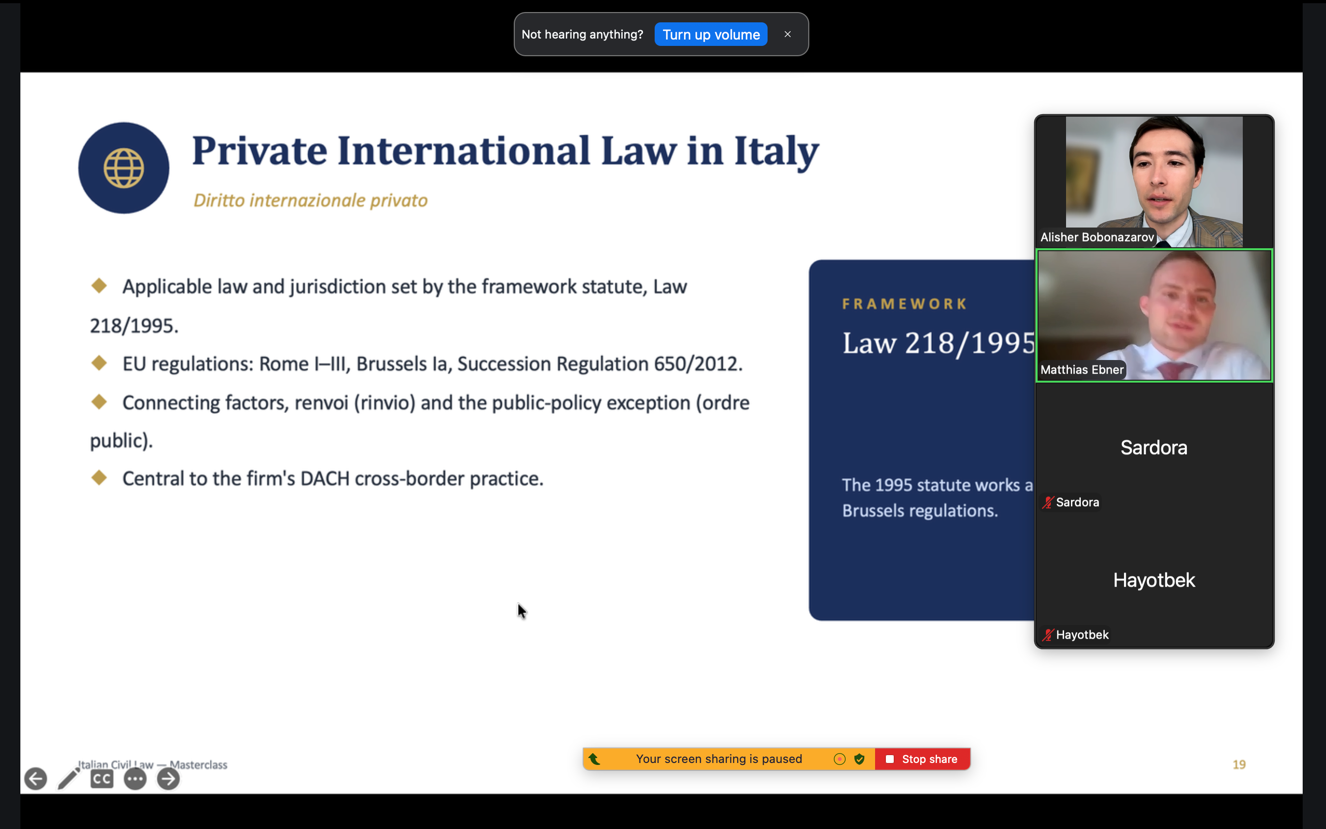
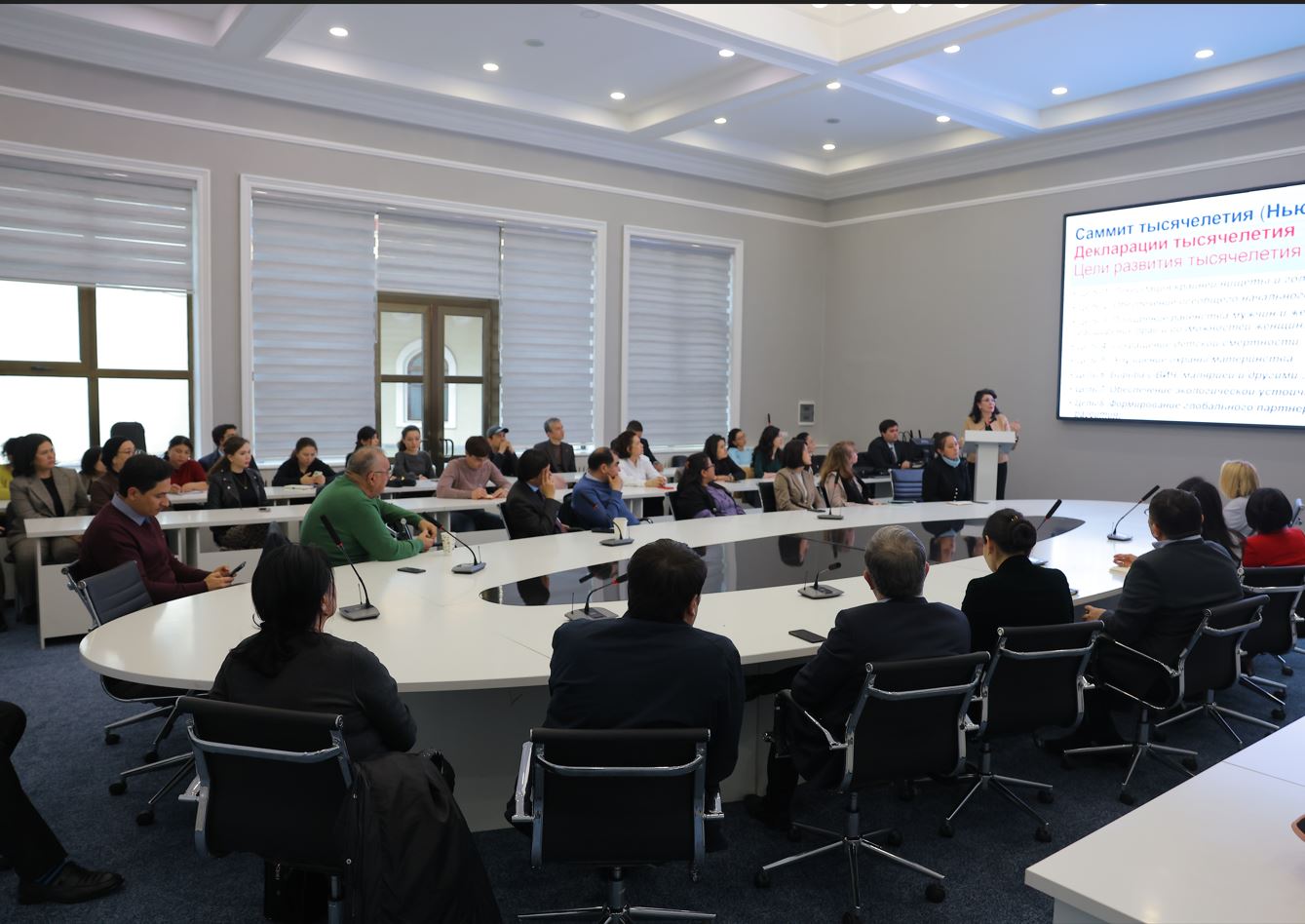
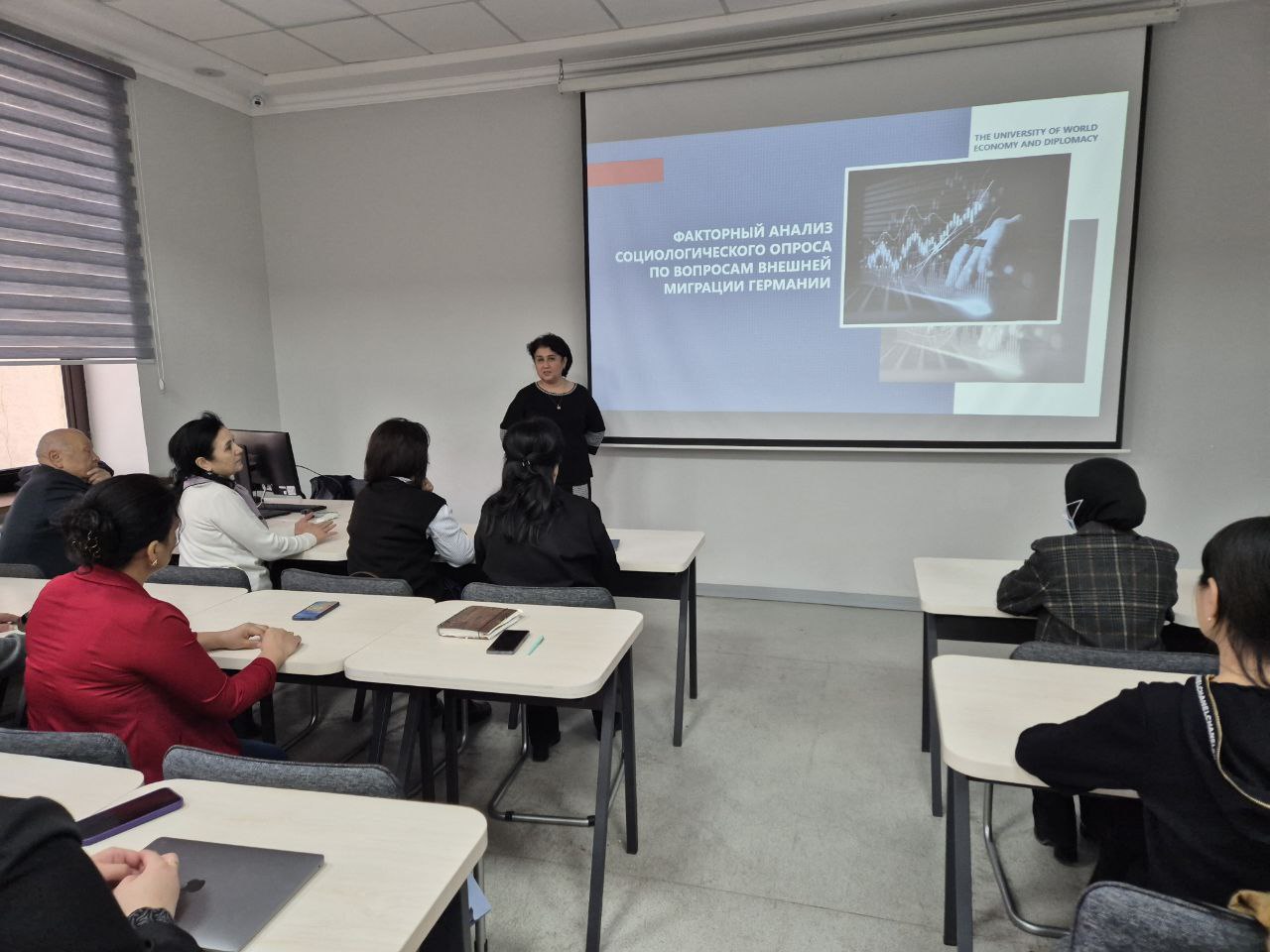
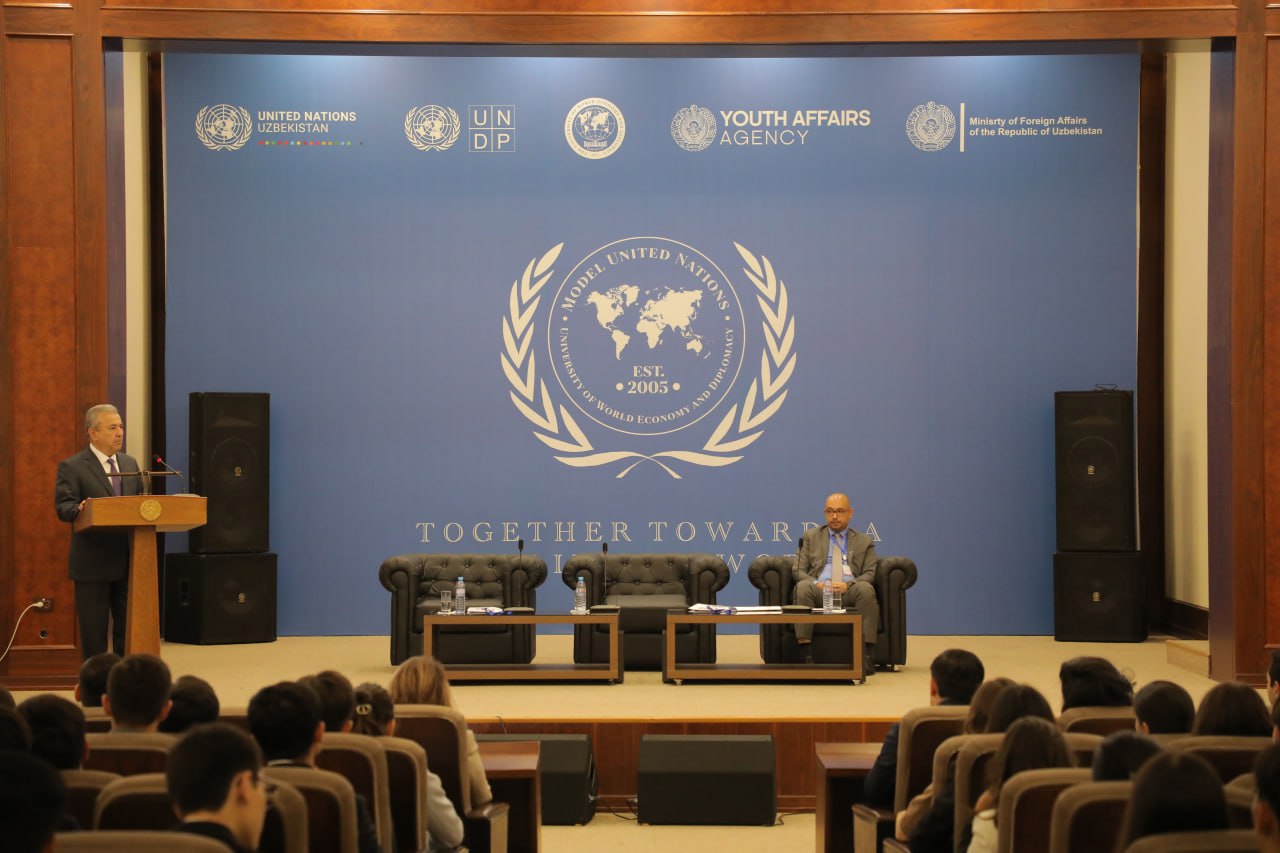
On 18 September of this year, a guest lecture was held at the University of World Economy and Diplomacy (UWED) in an online format on the Zoom platform, dedicated to one of the fundamental topics of comparative law — “Basic Principles of Italian Civil Law.” During the lecture, the history and key principles of the Italian legal system were traced — from its foundations in continental (civil) law to the transition from domestic law to private international law. The event was organized and conducted under the moderation of Alisher Bobonazarov – a lecturer at the Department of Civil Law and International Private Law Disciplines, Sherzodbek Masadikov – head of the Department and professor Dilfuza Imamova.
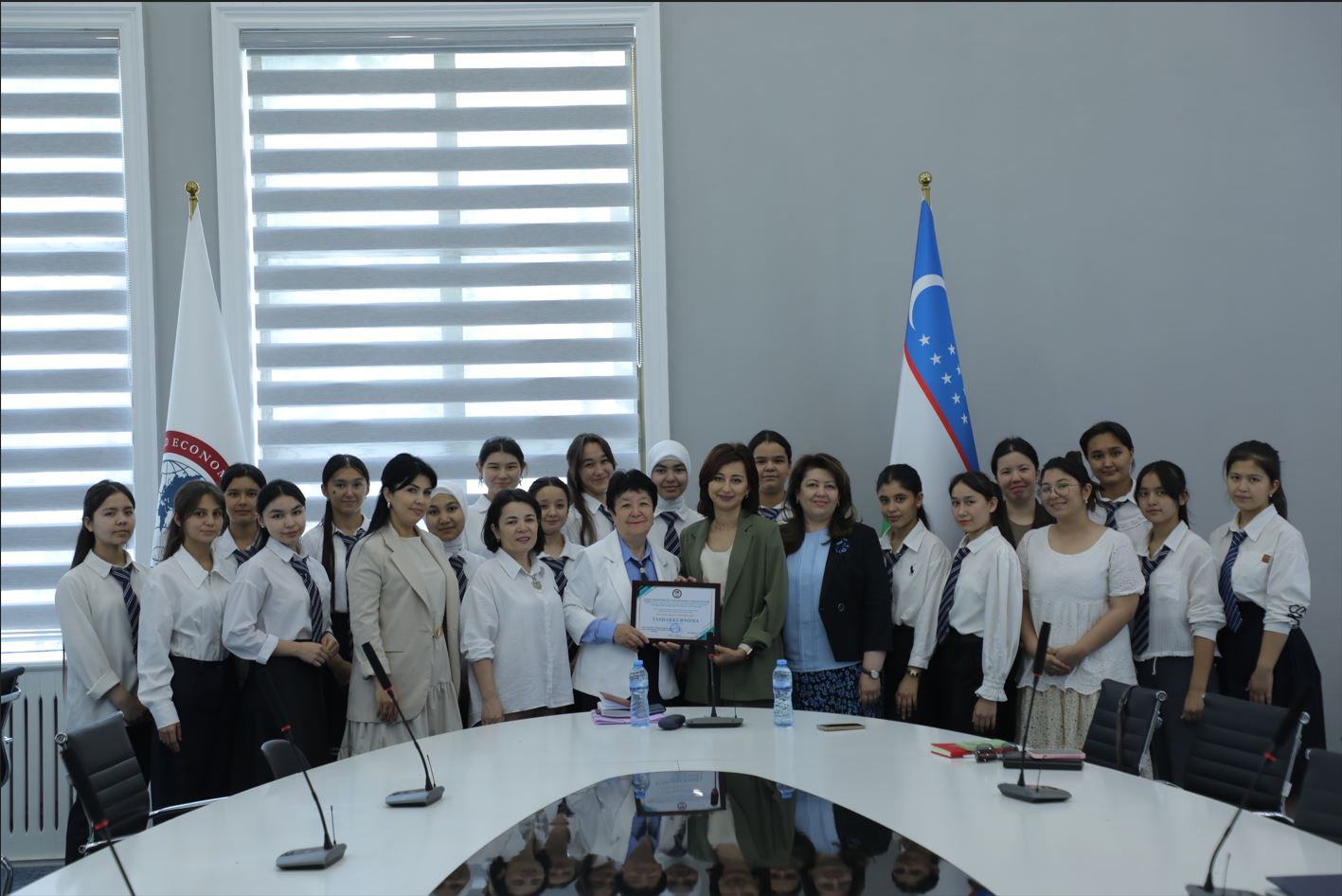
The guest speaker at the lecture was Mattias Ebner, a trainee lawyer at Colasanti Law Firm, who shared his professional experience with UWED students and faculty. Students and faculty of the university took an active part in the event, following the discussion with great interest and exchanging views on the topics presented. Active participants who attended the lecture received a certificate of participation.
During the lecture, special attention was paid to the historical development and classification of Italian private law, which originates in Roman law and was reworked in the Civil Code (Codice Civile) of 1942. The speaker examined inheritance law, including the balance between testamentary freedom and the compulsory shares owed to forced heirs; family law, covering marriage, separation, divorce, and matrimonial property regimes; as well as property law, including ownership, possession, acquisitive prescription, and the main limited real rights. The final part of the lecture was devoted to Italian private international law, including rules on applicable law and jurisdiction in cross-border legal relations.
This guest lecture resonates with the ideas of Sustainable Development Goal 4 — “Quality Education” — by expanding students’ access to international legal expertise and knowledge in comparative law, as well as Goal 16 — “Peace, Justice and Strong Institutions,” in particular target 16.3, aimed at promoting the rule of law and ensuring equal access to justice. The event also reflects Goal 17 — “Partnerships for the Goals,” especially target 17.6, concerning the strengthening of international cooperation and the exchange of knowledge and experience between institutions.
Such guest lectures play an important role in broadening students’ comparative legal outlook and strengthening academic ties between UWED and the international legal community. Undoubtedly, such events contribute to raising the legal awareness of future specialists and strengthening the integration of theory and international practice.
| Date: | 23.09.2026 |
| Views: | 56 |
| Share: |