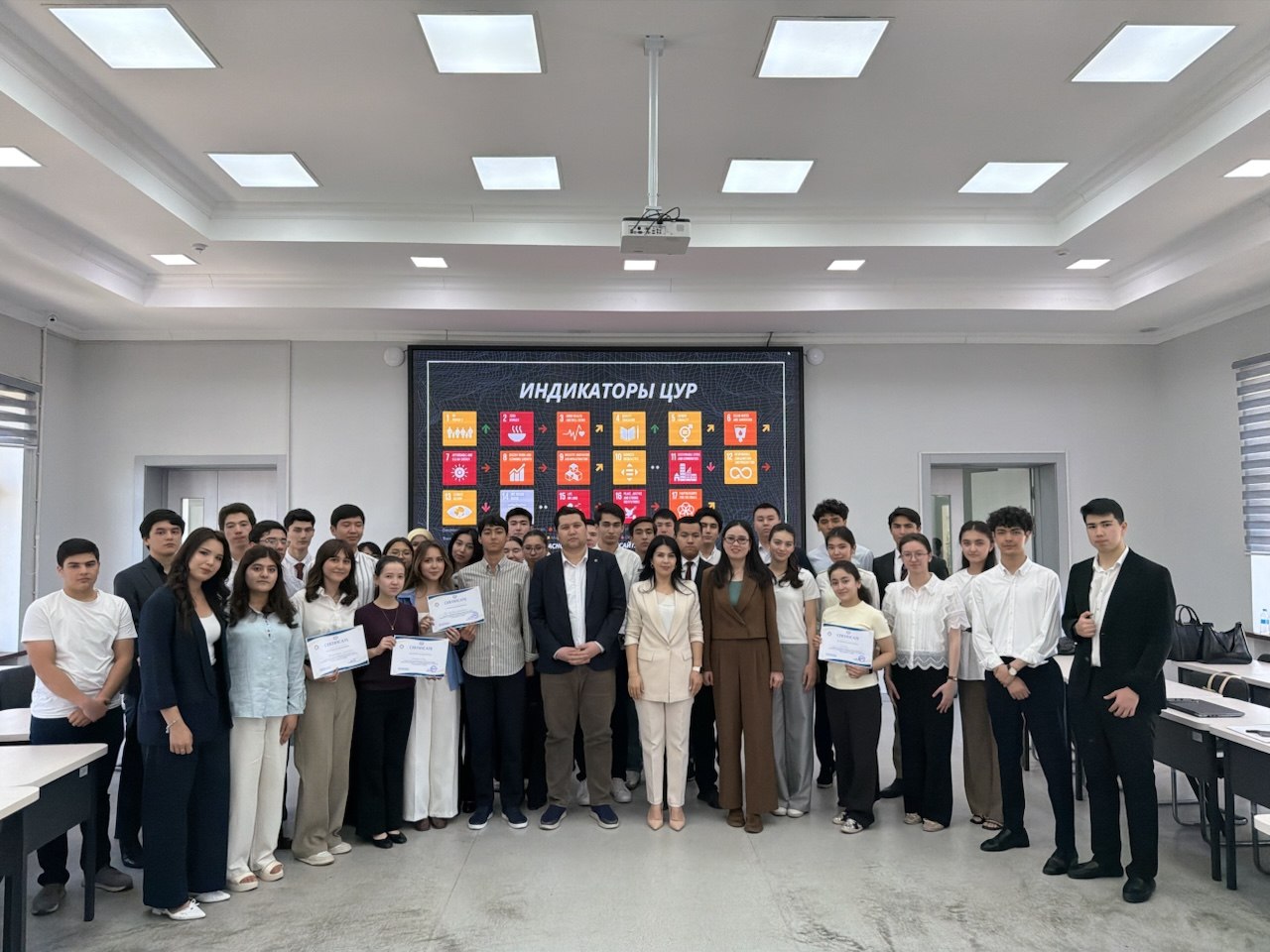
A Master Class on “Philosophical Approach in Modern International Relations” was Organized at UWED
A Master Class on “Philosophical Approach in Modern International Relations” was Organized at UWED
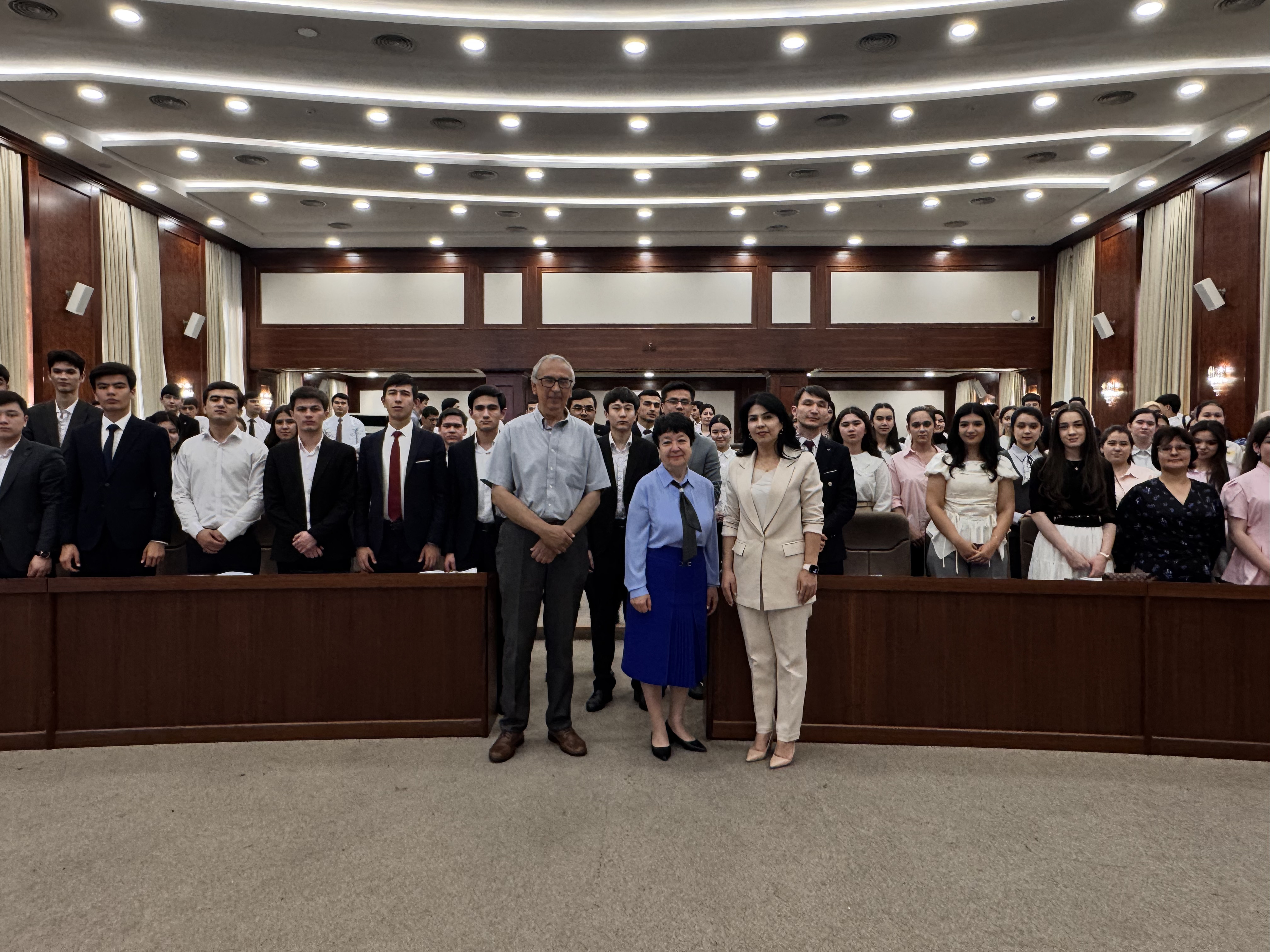
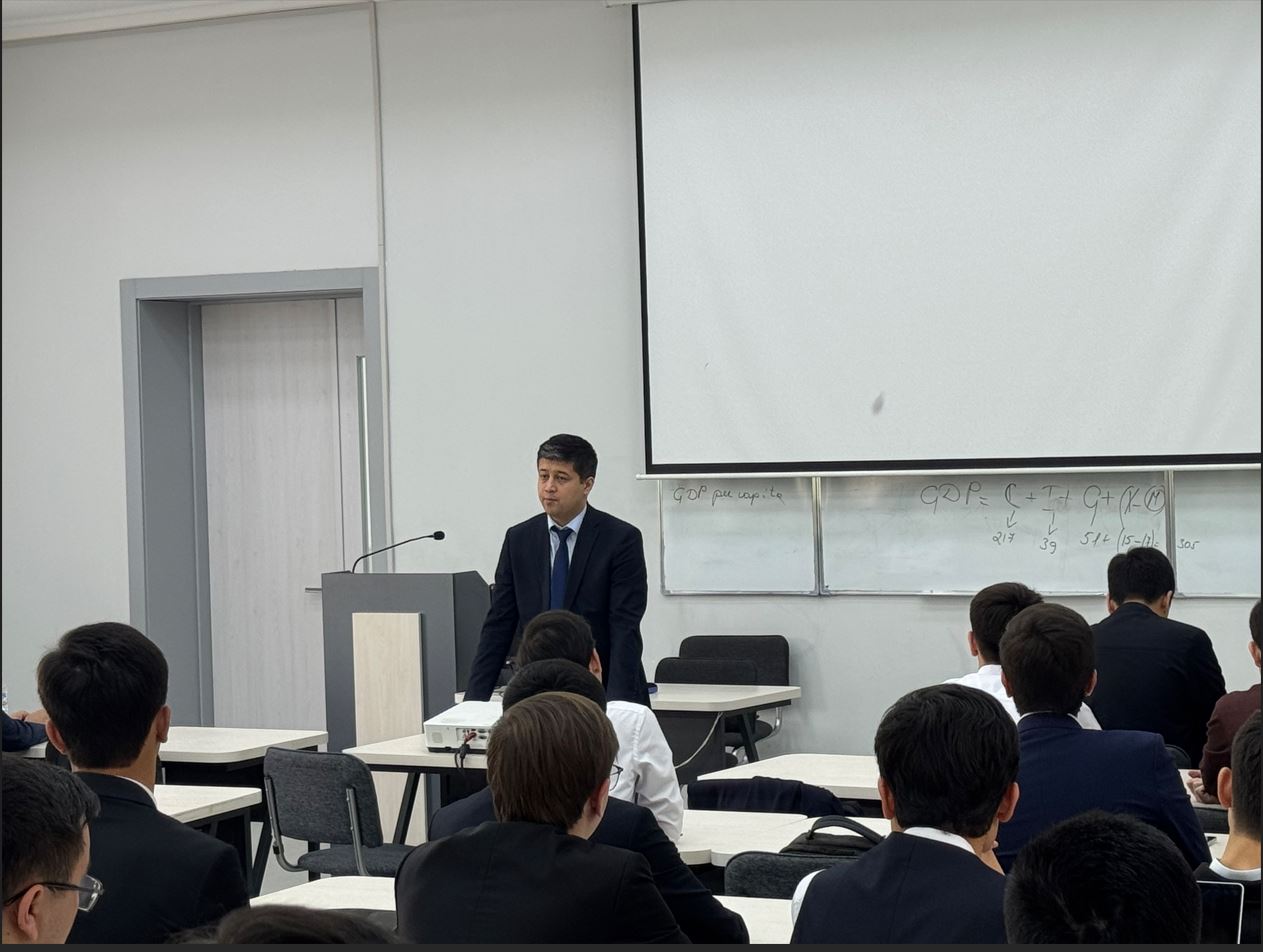
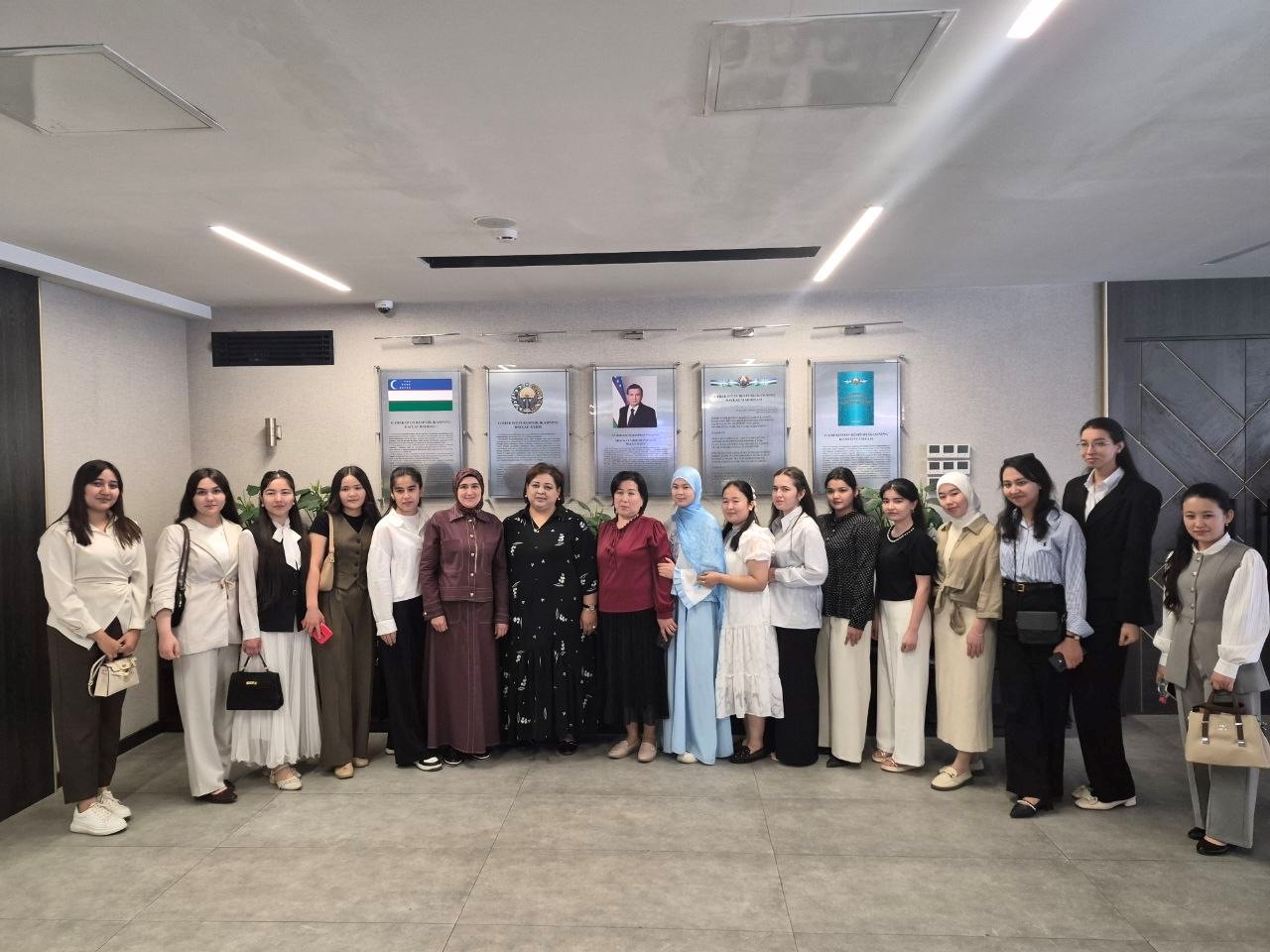
On May 13 of this year, a master class on the topic “Philosophical Approach in Modern International Relations” was held for first-year students of the Faculty of International Relations at the University of World Economy and Diplomacy. The master class was organized by M. Abduraxmanova, a lecturer at the Department of Political Science.
Professor Karimov Rahmat Rakhmonovich, Doctor of Philosophy and professor at the National University of Uzbekistan, was invited to conduct the master class.
During the lecture, it was emphasized that in today’s era of globalization, international relations should be analyzed not only from political and economic perspectives, but also from a philosophical point of view. Particular attention was paid to the role of human values, peace, justice, intercultural dialogue, and ethical issues in international processes.
The professor also focused on the ideas of representatives of Eastern and Western philosophy, as well as renowned philosophers. Using the views of ancient and modern thinkers on human consciousness, social development, the state, and justice, he analyzed the essence of contemporary international relations. Students were informed that philosophical ideas have contributed to the development of human thought throughout history and that this intellectual heritage continues to play an important role in understanding modern international political processes.
Professor Karimov particularly emphasized that philosophy teaches individuals to think deeply, approach events from different perspectives, and draw independent conclusions. He noted that the scientific views of great philosophers have not lost their relevance today and continue to play a significant role in strengthening the ideas of peace, cooperation, and humanism in modern international relations.
During the master class, students actively participated by asking questions and exchanging opinions on the topic. The event contributed to broadening the scientific outlook of young people and enhancing their analytical and logical thinking skills.
| Date: | 13.05.2026 |
| Views: | 832 |
| Share: |