UWED teacher made a presentation at the Republican Scientific and Practical Conference
UWED teacher made a presentation at the Republican Scientific and Practical Conference
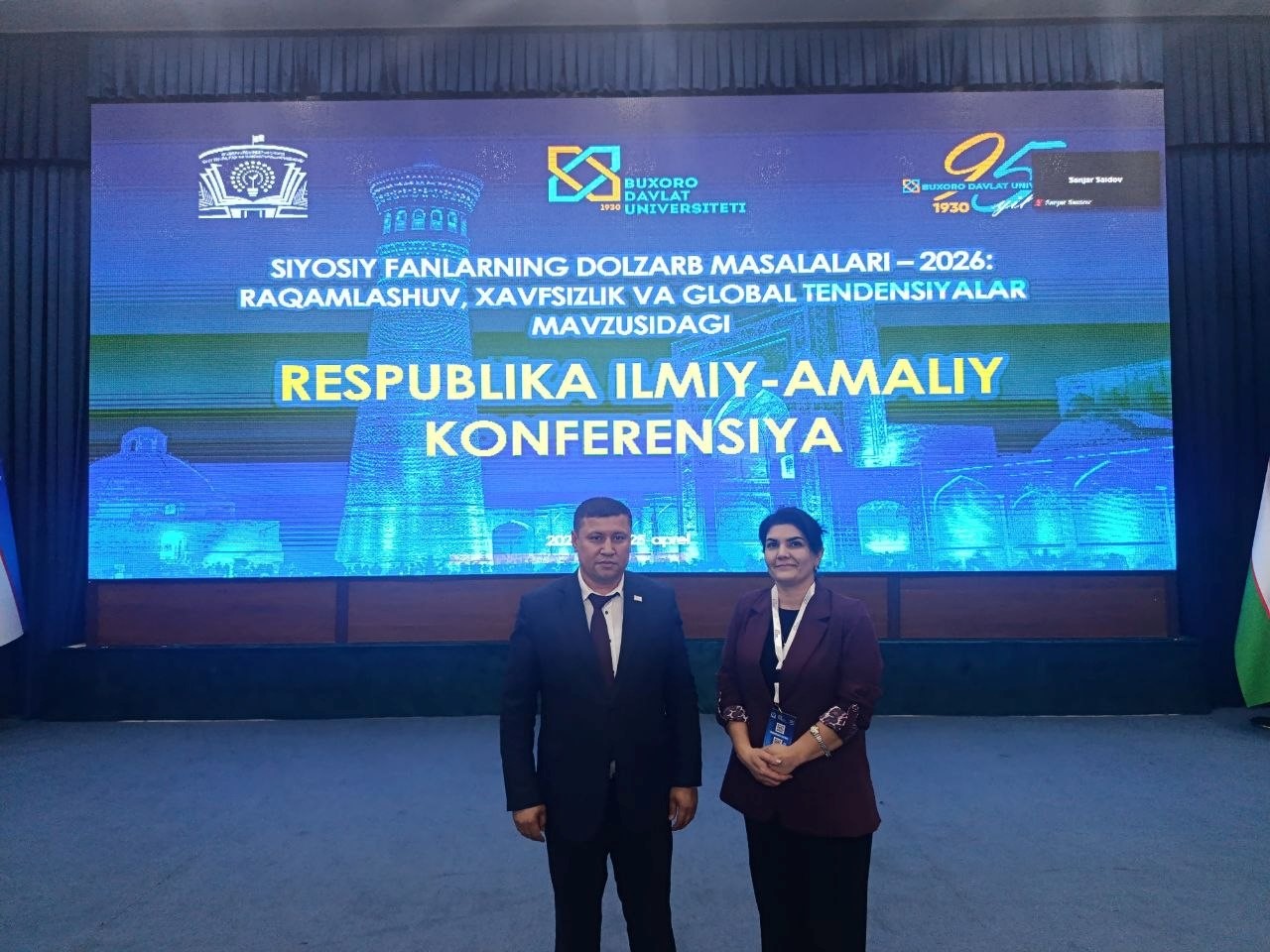
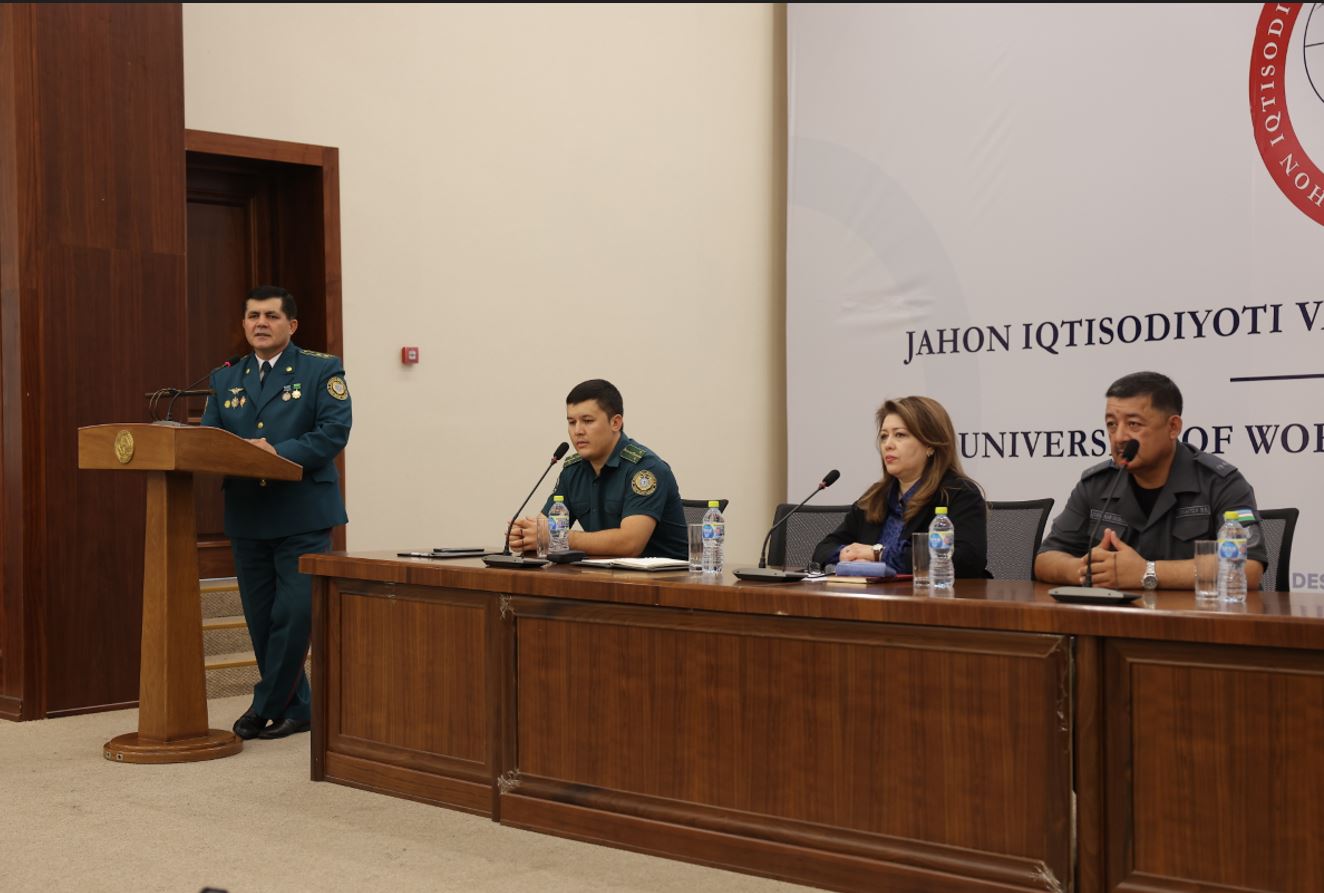
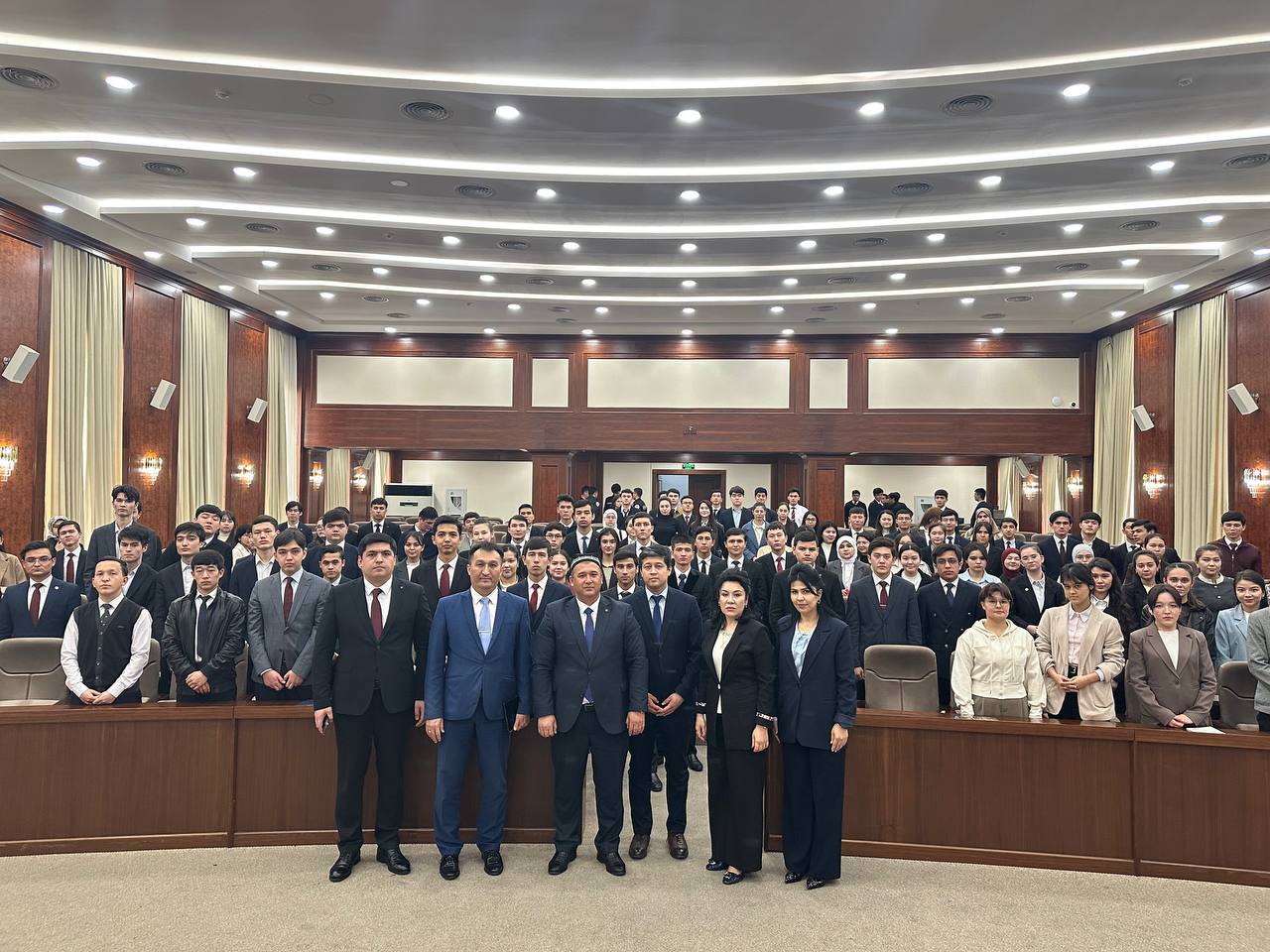
On April 24–25 of the current year, the Department of Social and Political Sciences of Bukhara State University held a Republican scientific and practical conference entitled “Topical Issues of Political Science – 2026: Digitalization, Security, and Global Trends,” dedicated to the 35th anniversary of the independence of the Republic of Uzbekistan.
Among the participants was Nargiza Aminova, Senior Lecturer at the Department of Political Science of the University of World Economy and Diplomacy, Doctor of Philosophy (PhD) in Philosophy, who delivered a presentation on the topic “The Politicization of Religion as a Factor in the Transformation of Contemporary Political Processes.”
During the presentation, special emphasis was placed on the fact that in the context of the modern post-secular era, religion is increasingly moving beyond the boundaries of the spiritual and personal spheres, becoming an important element of public and political life. While classical modernization approaches assumed that, as secularization intensifies, the influence of religion on politics would diminish, the practice of recent decades demonstrates the opposite: the religious factor is not disappearing but is acquiring new forms of political expression.
Today, religion is used to mobilize the electorate, shape national identity, legitimize power, and define the foreign policy positions of states. This indicates that the religious factor is becoming a structurally significant component of contemporary political processes. The politicization of religion is not limited merely to an increase in religiosity or the growing role of confessions in public life. It is a far more complex process in which religious ideas, symbols, institutions, and authorities become an integral part of political strategies, ideological struggles, and mechanisms of power. Therefore, the analysis of this phenomenon requires consideration not only of its causes but also of its forms of manifestation, levels of influence, and political consequences.
The topic was practically examined by the participants within the framework of Section 5 of the conference: “International Relations, Political Issues of Global and Regional Development, Ethnopolitics, and Conflictology.” A question-and-answer session was held, and practical recommendations were developed. It was emphasized that the continuation of creative cooperation would be highly beneficial for representatives of this field.
| Date: | 26.04.2026 |
| Views: | 777 |
| Share: |