UWED Successfully Hosts the “Central Asia Summer School 2026”
UWED Successfully Hosts the “Central Asia Summer School 2026”
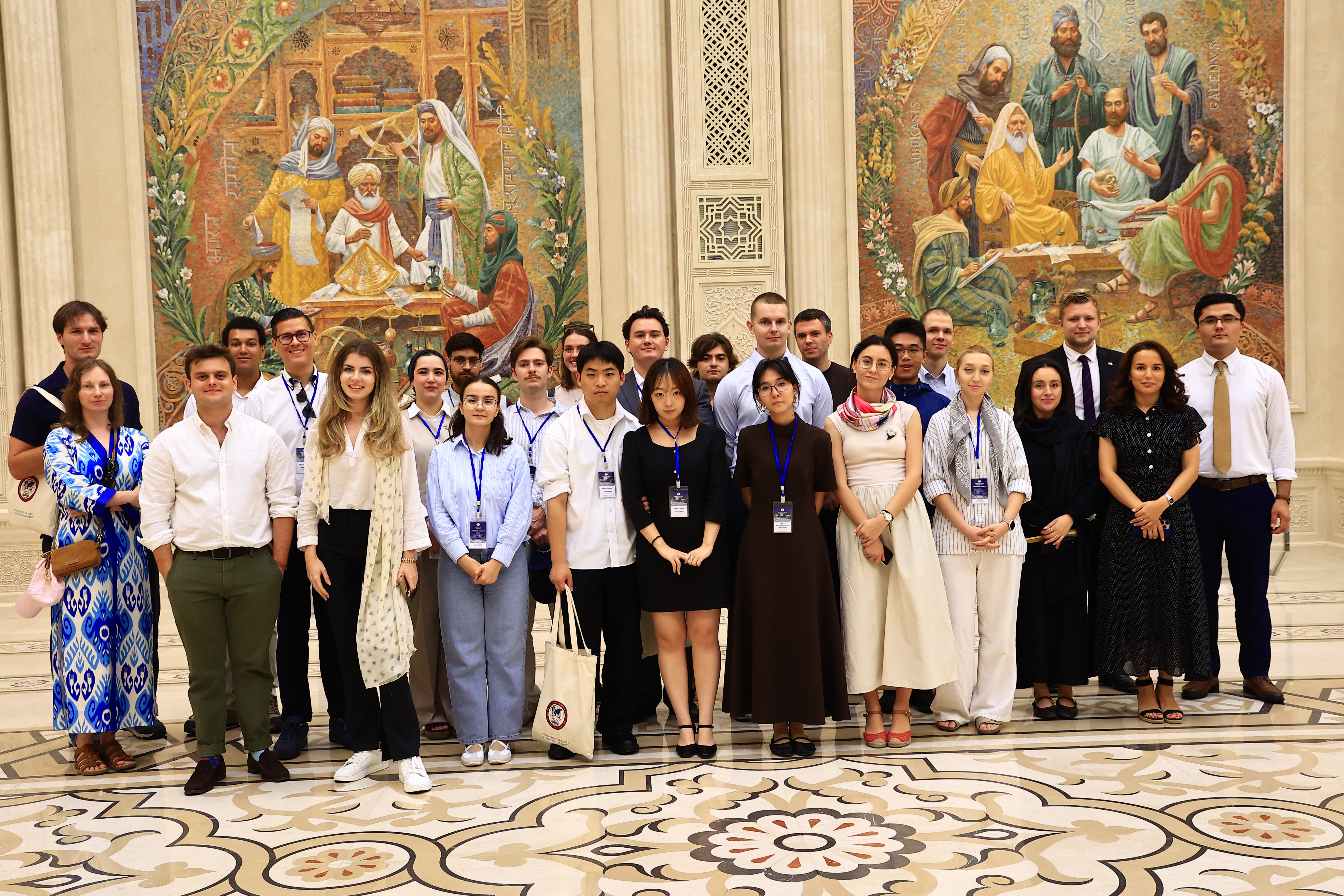
From 29 June to 5 July 2026, the University of World Economy and Diplomacy (UWED) successfully organized the “Central Asia Summer School 2026”. The programme brought together talented students and young researchers from around the world, providing them with an opportunity to participate in an intensive academic and cultural programme dedicated to the contemporary political, economic, and geostrategic development of Central Asia.
Building on the success of the previously held “Central Asia Winter School”, this second seasonal programme once again demonstrated UWED’s role as an international platform for academic dialogue, research, and cooperation on Central Asian studies.
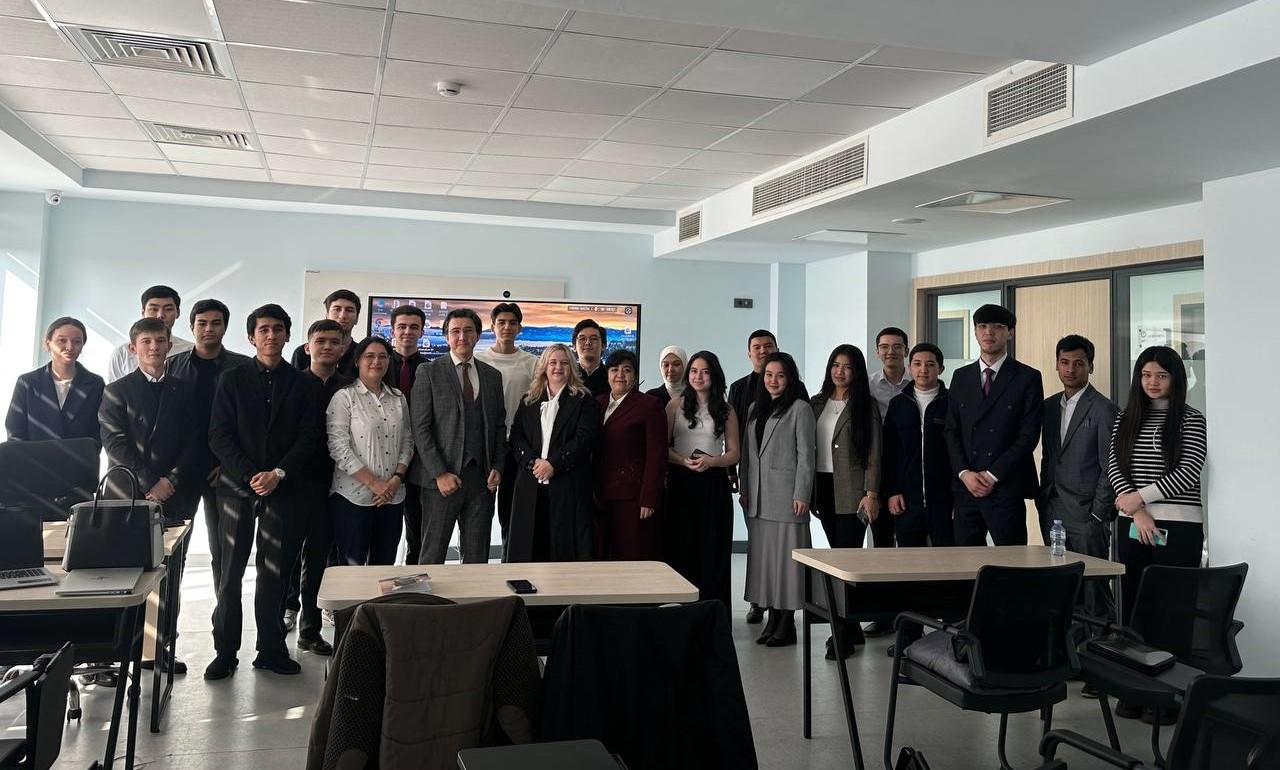
More than 60 applications were submitted for participation in the Summer School. Following a competitive selection process, 22 participants were admitted, including 21 international participants and one representative from Uzbekistan. The participants came from the United Kingdom, the United States, Canada, France, Germany, Italy, Switzerland, Poland, Romania, Hungary, India, China, the Republic of Korea, and Uzbekistan.
The Summer School welcomed undergraduate, master’s and doctoral students from leading universities, including “SOAS University of London, University College London (UCL), University of Pennsylvania, University of St Andrews, Ludwig Maximilian University of Munich (LMU Munich), Sciences Po Grenoble, University of Warsaw, LUISS University, Hankuk University of Foreign Studies (HUFS), Sun Yat-sen University, INALCO, Andrássy University Budapest, University of Regensburg, Jawaharlal Nehru University”, and “SMK University of Applied Sciences”. The participants represented a wide range of academic disciplines, including international relations, political science, economics, law, history, and regional studies.
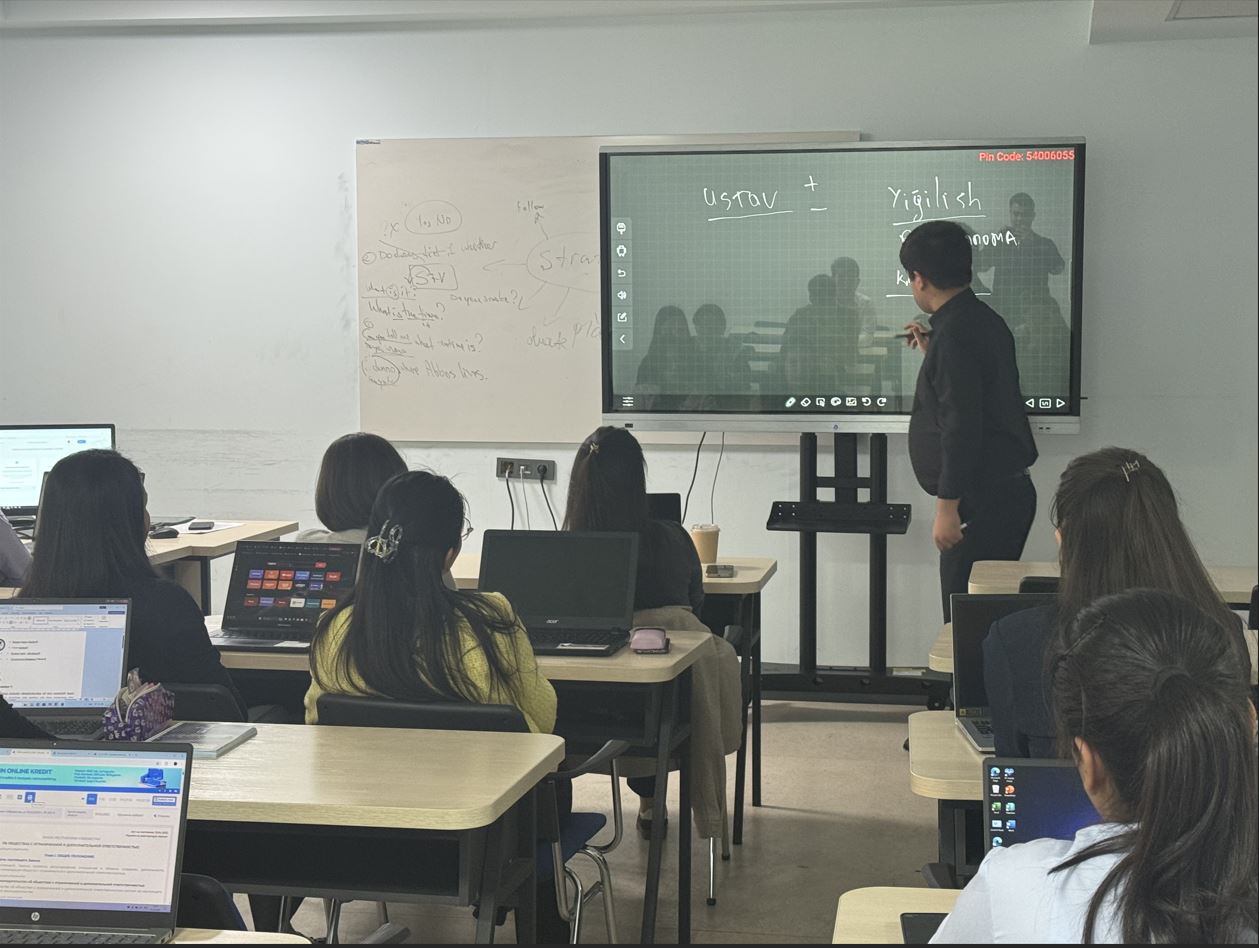
As part of the programme, an interdisciplinary academic curriculum was delivered by UWED faculty members, diplomats, and leading regional experts. The lectures covered a wide range of topics, including the historical development and regional identity of Central Asia, the foreign policy priorities of New Uzbekistan, geopolitical dynamics and regional cooperation, public administration and reforms, transboundary water resource management, economic transformation, security issues related to Afghanistan, energy diplomacy and the transition to green energy, as well as transport corridors and the growing importance of regional connectivity.
The academic sessions were delivered by Dr. Akram Umarov, First Vice-Rector for Academic Affairs at UWED and Director of the Institute for Advanced International Studies (IAIS); Dr. Javlon Vakhabov, Director of the International Institute for Central Asia (IICA); Professor Mirzokhid Rakhimov; Professor Ulugbek Ishonkhojayev; Dr. Iskandar Abdullaev; Mirshokhid Aslanov; Dr. Elbek Abdullayev; Professor Rovshan Alimov; Dr. Hayotjon Ibragimov; and Professor Islomkhon Gafforov.
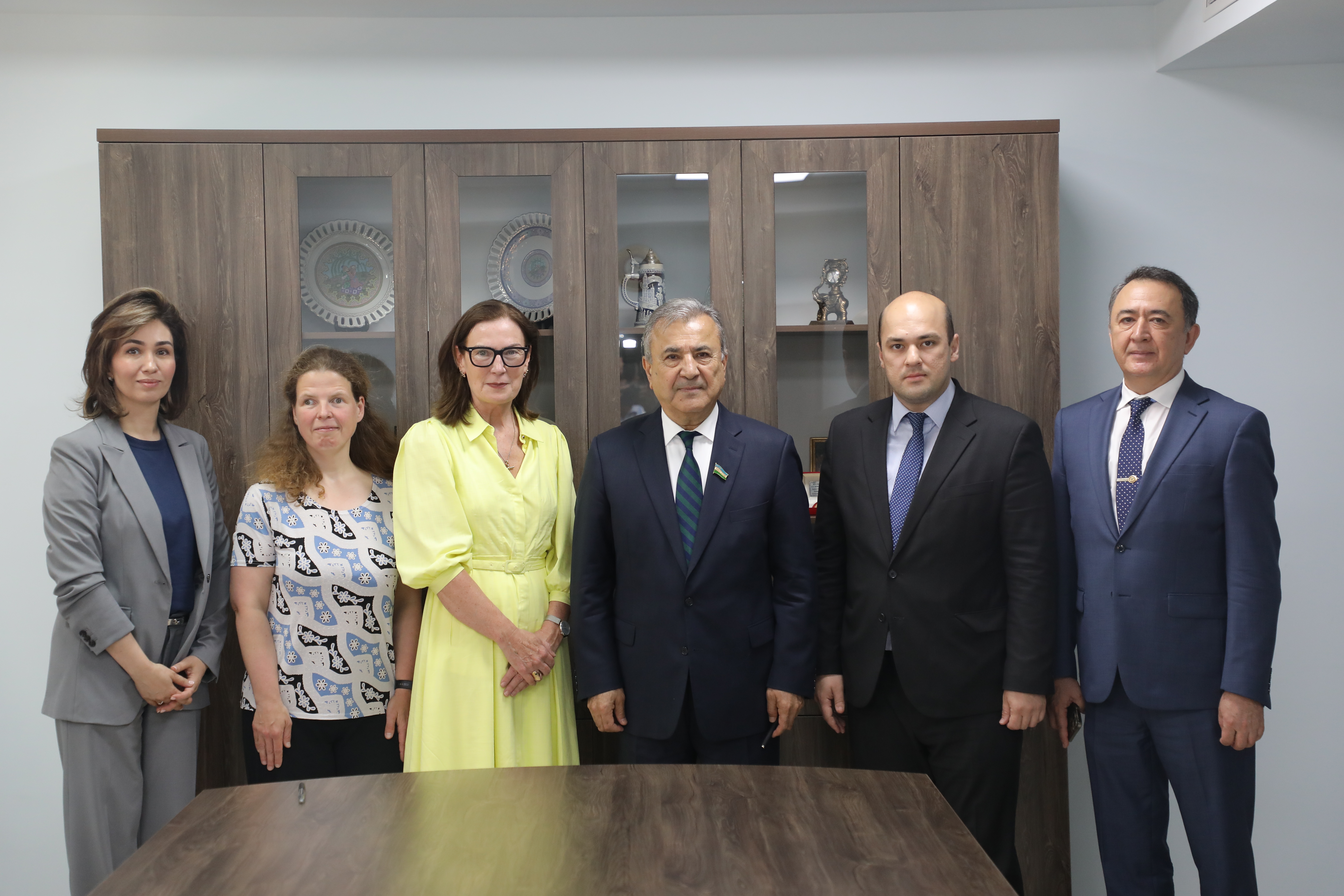
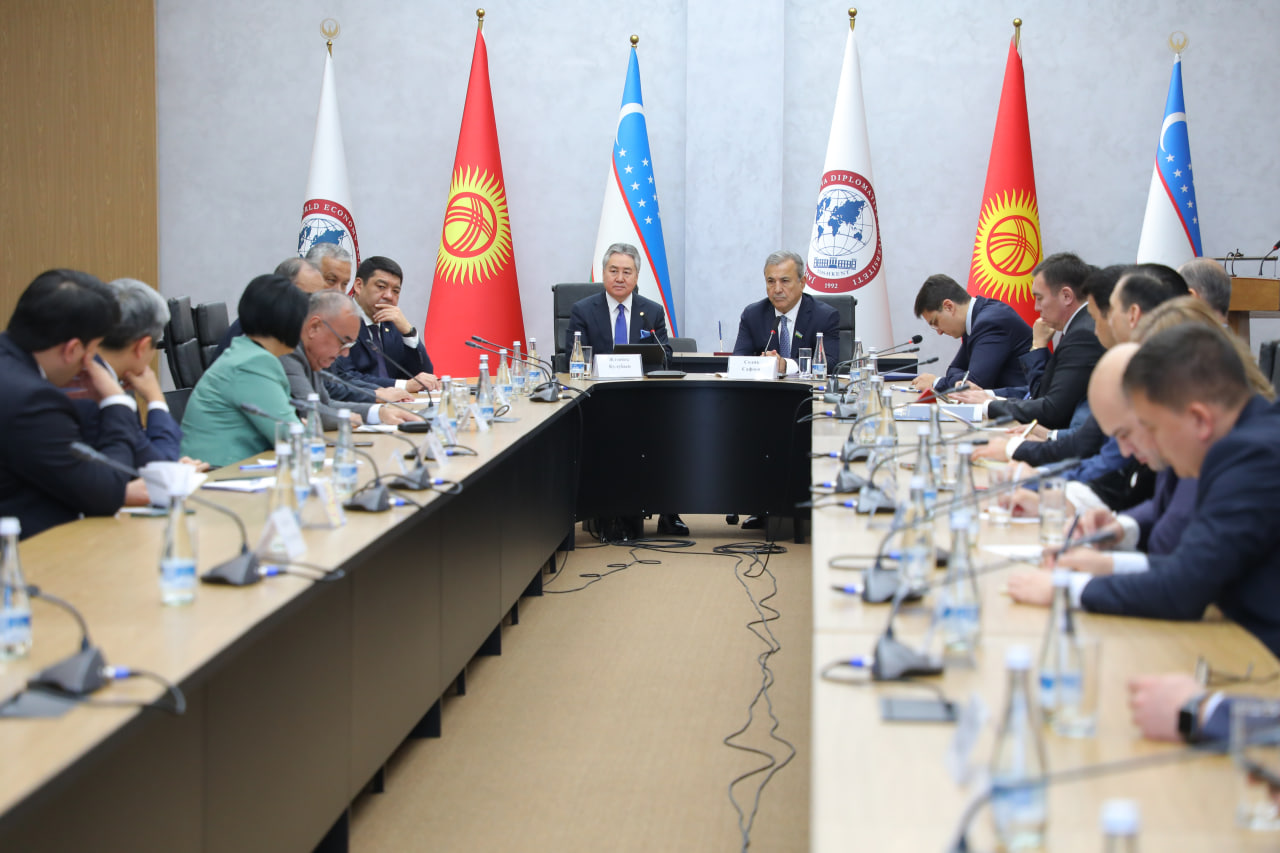
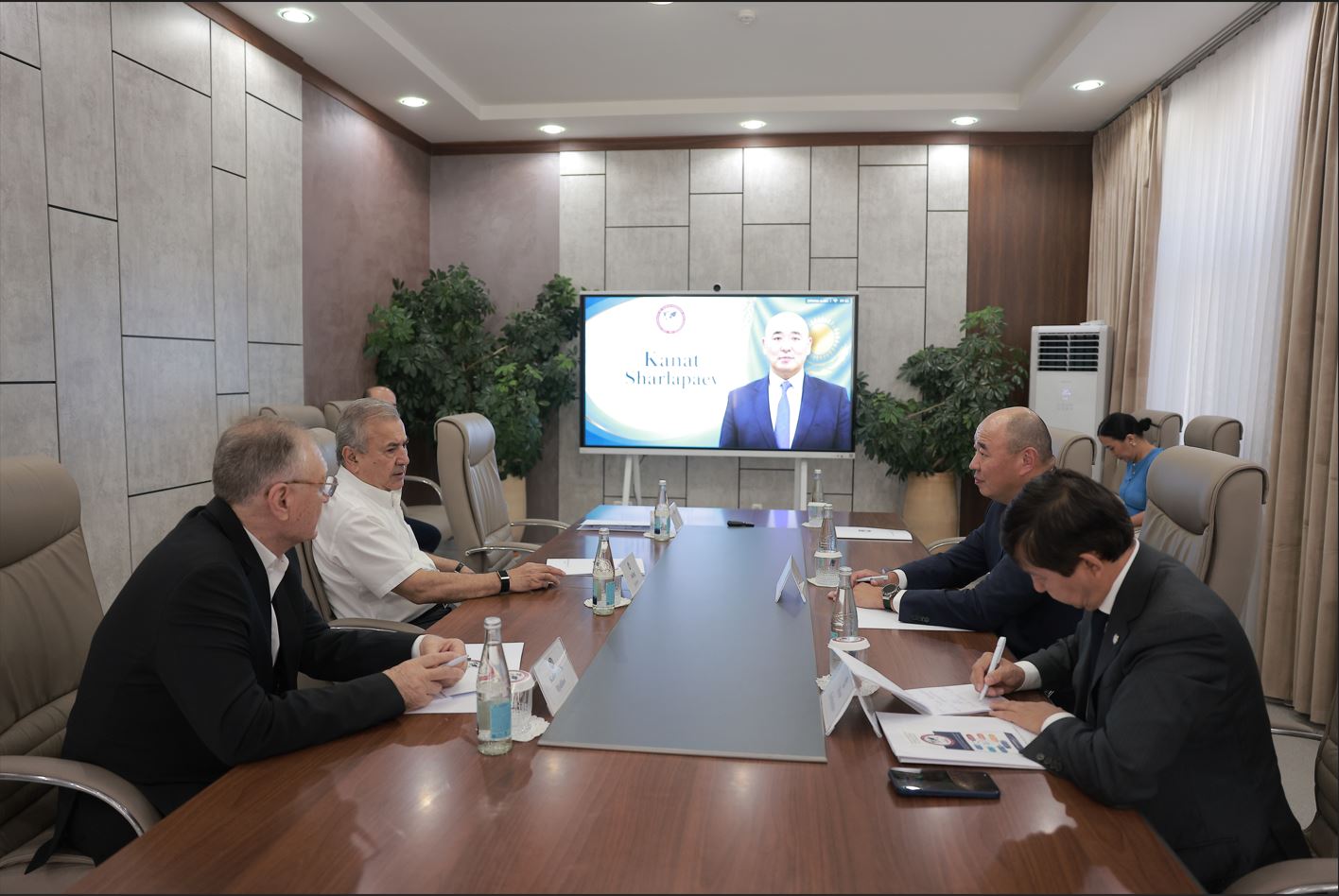
In addition to the academic programme, participants enjoyed a rich cultural and professional agenda. They visited the International Institute for Central Asia (IICA) and the Center for Progressive Reforms (CPR), where they took part in meetings and discussions with leading experts. The programme also included visits to the State Museum of the Temurids’ History, the Center of Islamic Civilization, the Memory of the Victims of Repression Memorial Complex, and other historical and cultural landmarks of Tashkent.
Upon the successful completion of the Summer School, all participants were awarded certificates of completion, as well as special certificates confirming the award of 2 ECTS credits.
The programme contributed to strengthening international academic cooperation, deepening knowledge of Central Asia, and fostering professional networks among students and young researchers from different countries. It also provided participants with valuable insights into the ongoing reforms in Uzbekistan, the region’s growing strategic importance, and the prospects for international cooperation.
| Date: | 05.08.2026 |
| Views: | 694 |
| Share: |