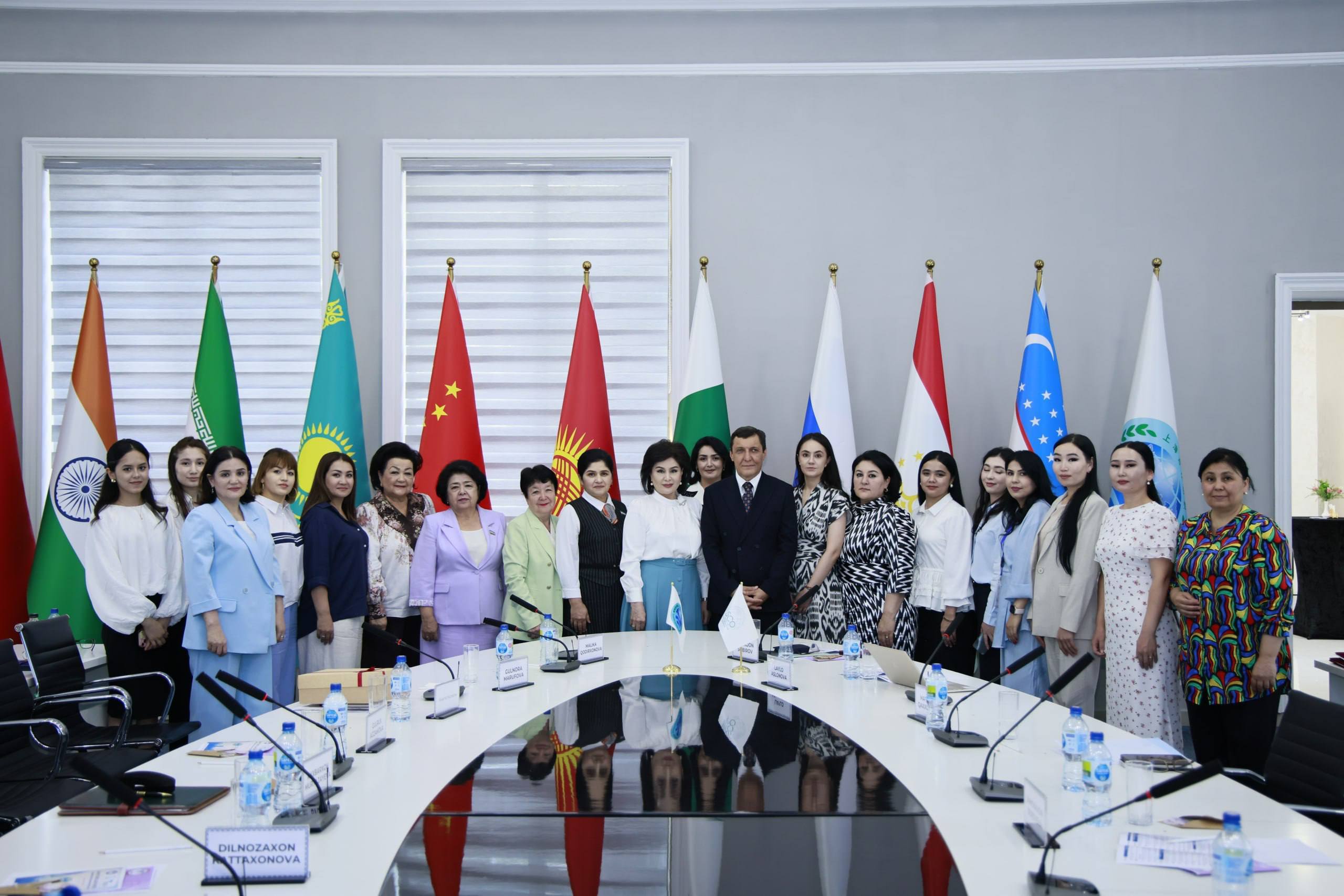
UWED Hosts International Expert Seminar on Shaping and Strengthening Central Asia's Regional Identity
UWED Hosts International Expert Seminar on Shaping and Strengthening Central Asia's Regional Identity
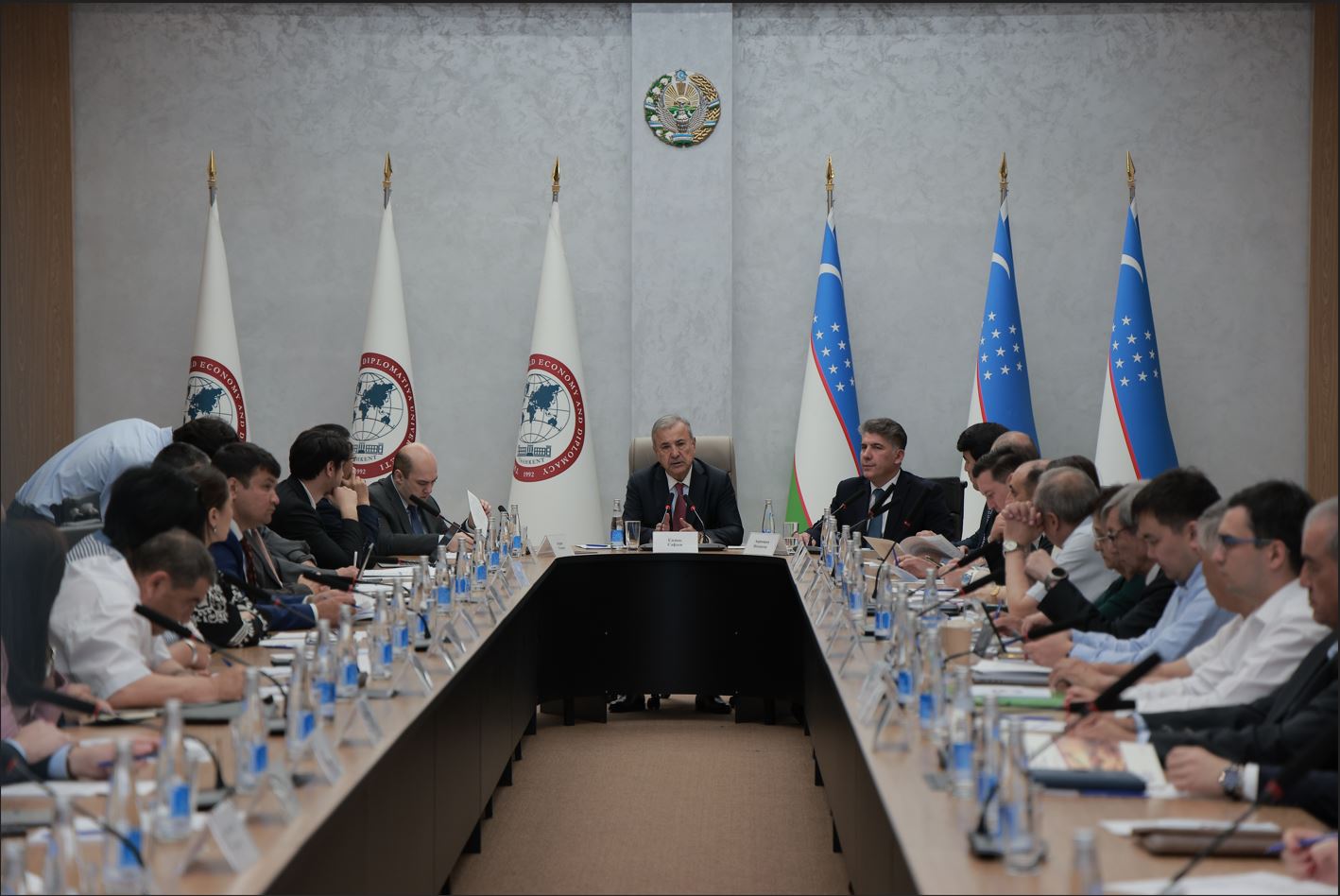
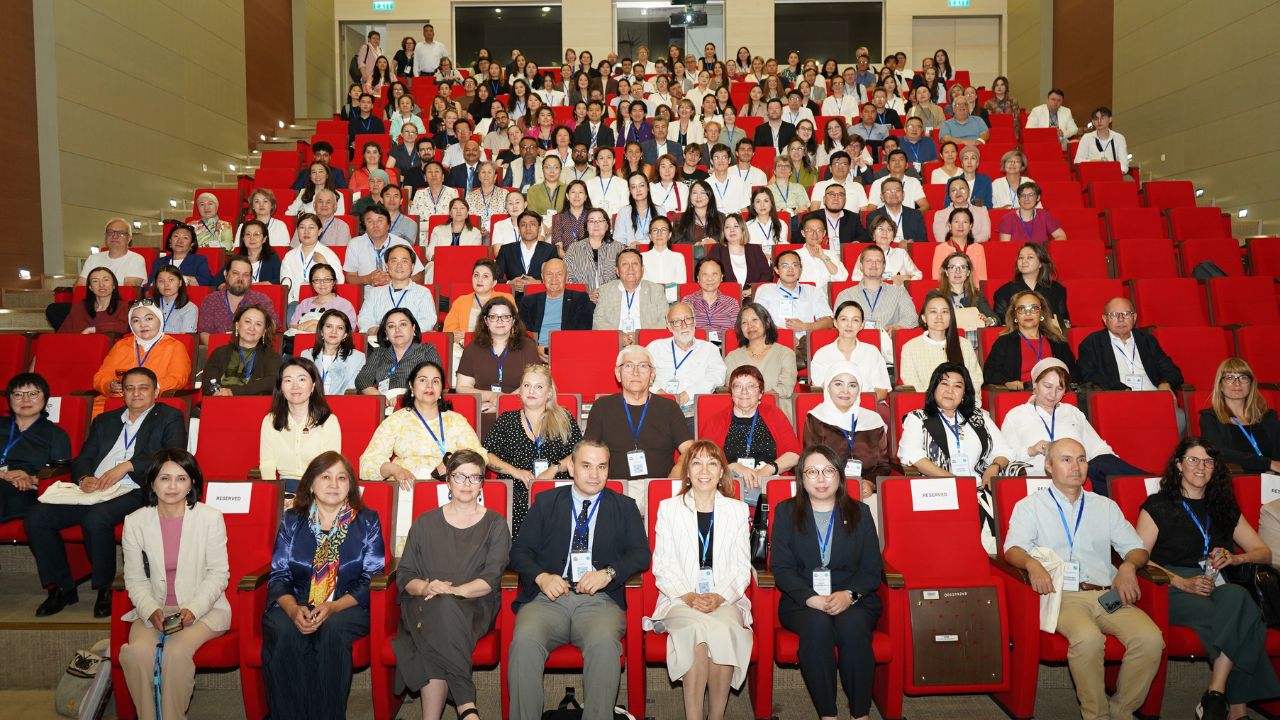
On June 5, 2026, the University of World Economy and Diplomacy hosted an international expert seminar on strengthening the regional identity of Central Asia. The event was organized by the Institute for Strategic and Regional Studies under the President of the Republic of Uzbekistan (ISRS) and the regional office of the Swiss PeaceNexus Foundation in Central Asia.
The event brought together leading scholars and specialists in international relations, history, sociology, and political research from the countries of Central Asia and Azerbaijan.
The seminar served as a vital inclusive platform for a substantive discussion on the prospects of shaping a regional identity for Central Asia, based on the principles of good-neighborliness, mutual trust, cultural and civilizational commonality, and the alignment of the long-term interests of the region's countries.
The participants' key focus was on the draft Concept for Shaping and Strengthening the Regional Identity of Central Asia, which was presented to the expert community for further discussion and the development of coordinated proposals.
It was noted that the work on the document is open, region-wide, and inclusive in nature. The Concept is the result of many years of expert dialogue and the joint efforts of representatives from the analytical, academic, and research communities of the Central Asian states.
Previously, in October 2025, the draft Concept was presented in Tashkent during the Central Asian Expert Forum, where it received widespread feedback and support from the scientific and analytical circles of the Central Asian states.
During the discussions, the participants agreed that the formation of a common regional identity should be based on respect for cultural and ethnic diversity, the preservation of the unique identity of its peoples, the complementarity of national and regional self-awareness, and a commitment to the principles of peace, international law, and constructive inter-civilizational dialogue.
Overall, the seminar launched a series of expert events in the Central Asian states aimed at the further discussion, refinement, and coordination of the draft Concept, taking into account proposals from the region's academic and analytical community.
The participants reaffirmed their interest in continuing broad cooperation and expressed their readiness for further joint refinement of the draft Concept, viewing it as an important intellectual and practical contribution to strengthening an atmosphere of trust, mutual understanding, and sustainable partnership in Central Asia.
| Date: | 06.06.2026 |
| Views: | 1179 |
| Share: |