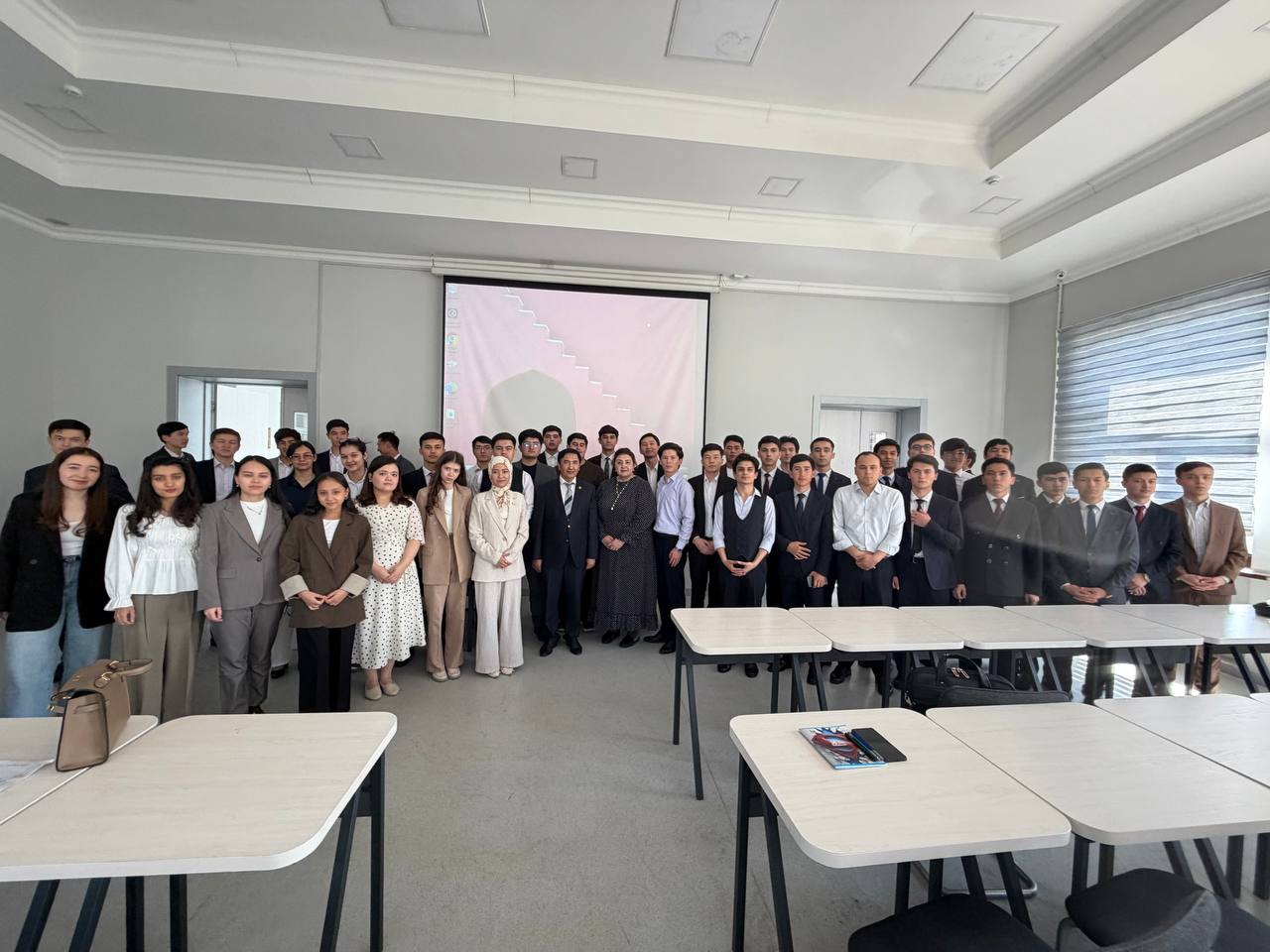
Field session on the topic: “Modern Mechanisms for Improving Trade Facilitation and Customs Procedures: Theory and Practice”
Field session on the topic: “Modern Mechanisms for Improving Trade Facilitation and Customs Procedures: Theory and Practice”
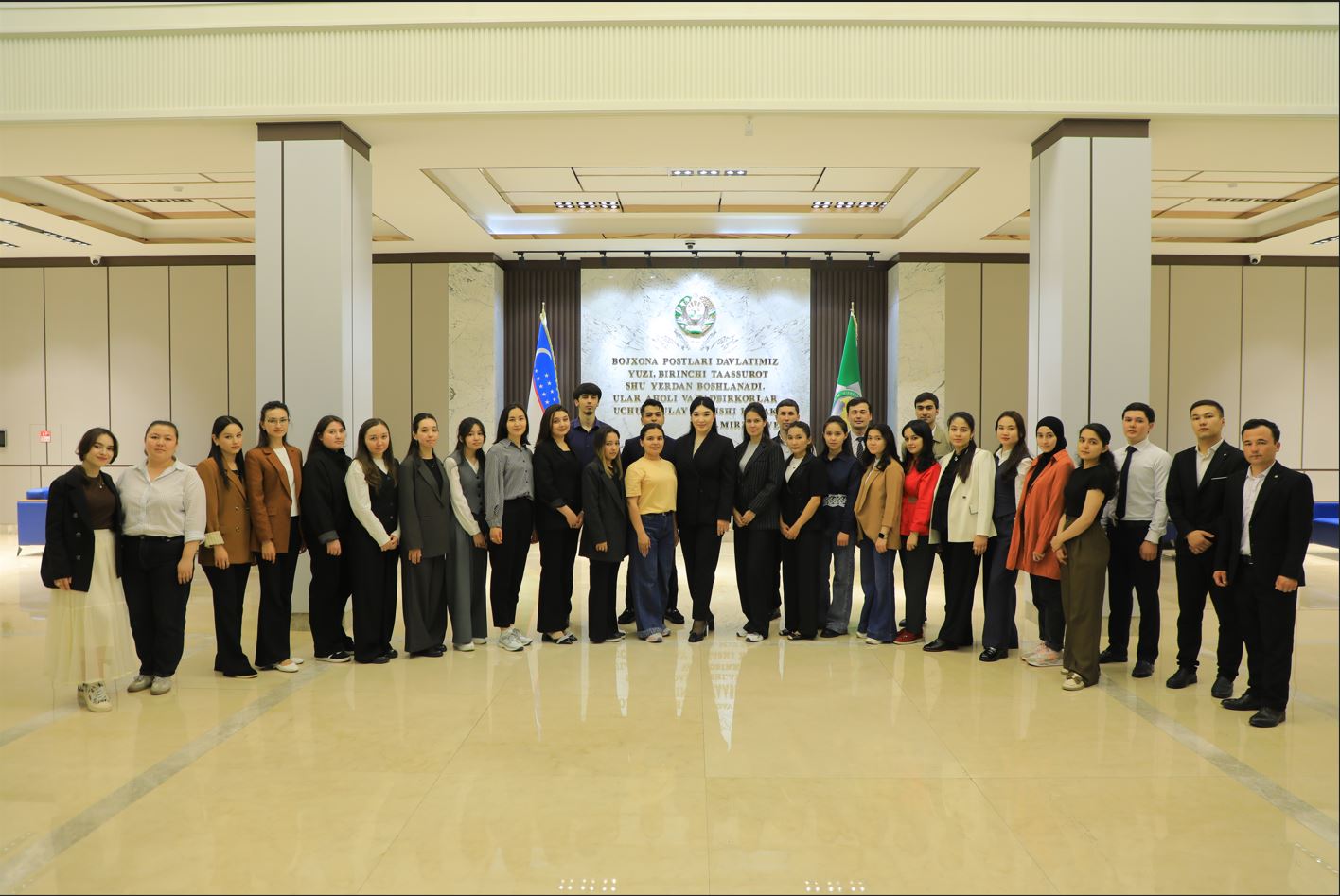
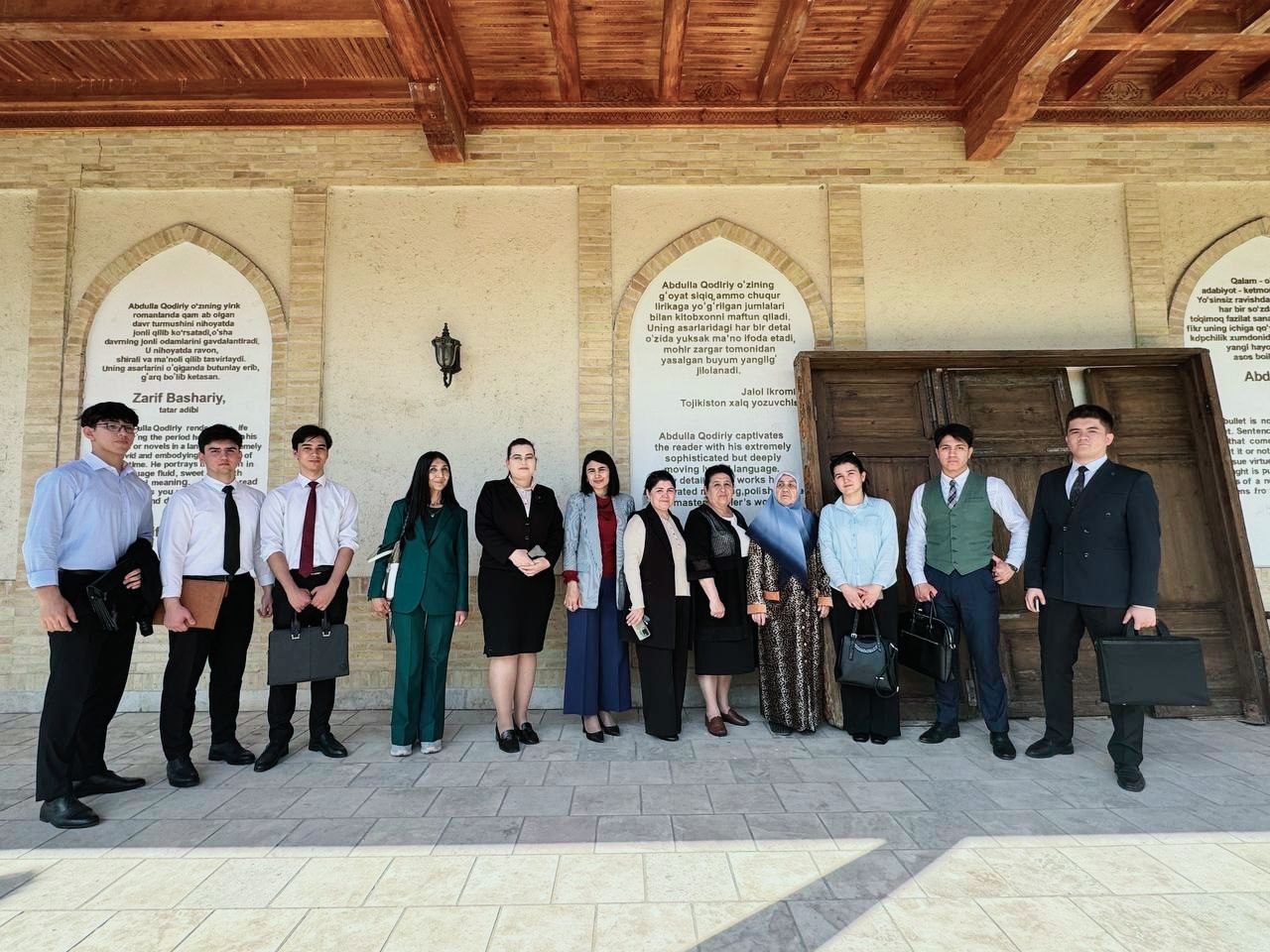
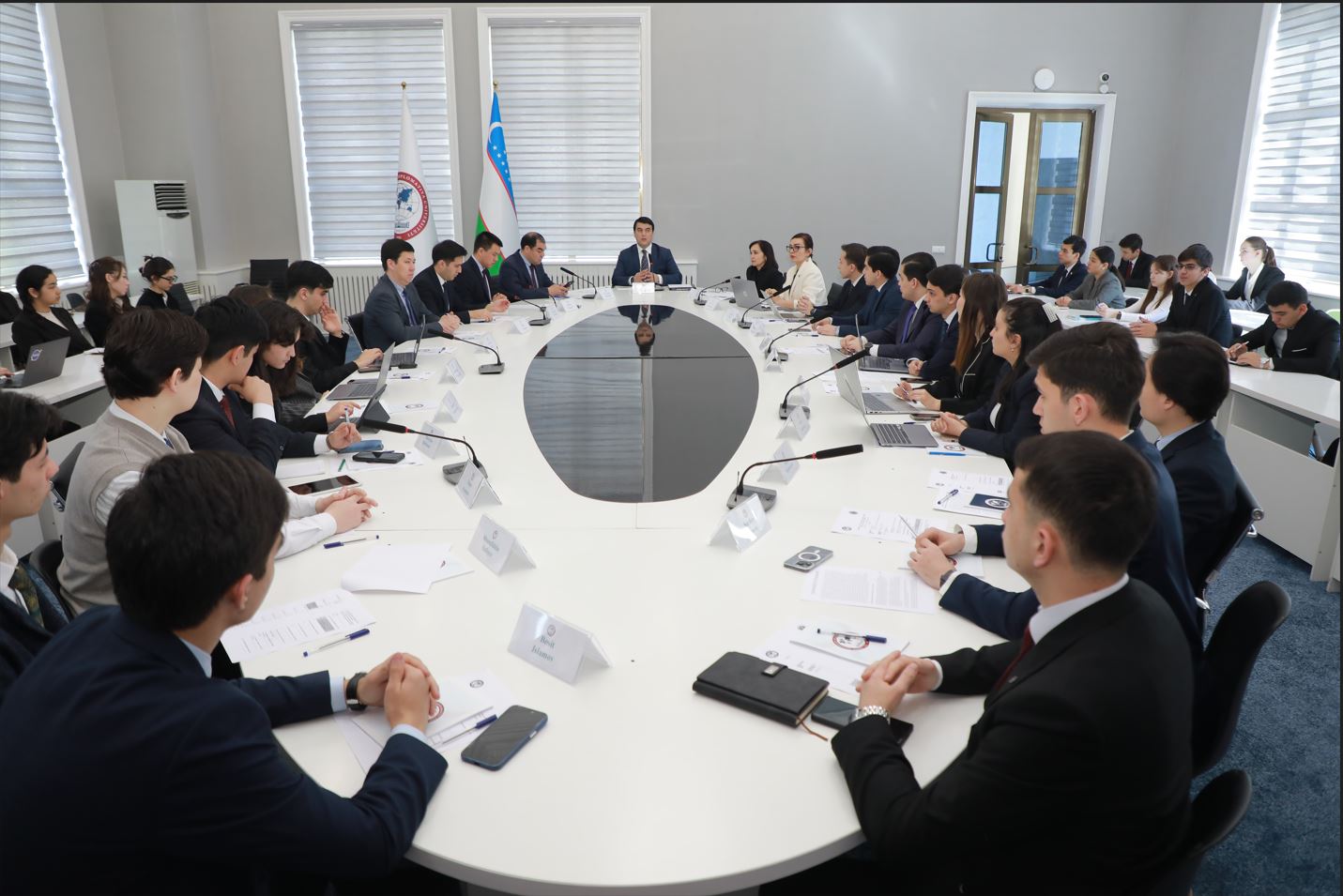
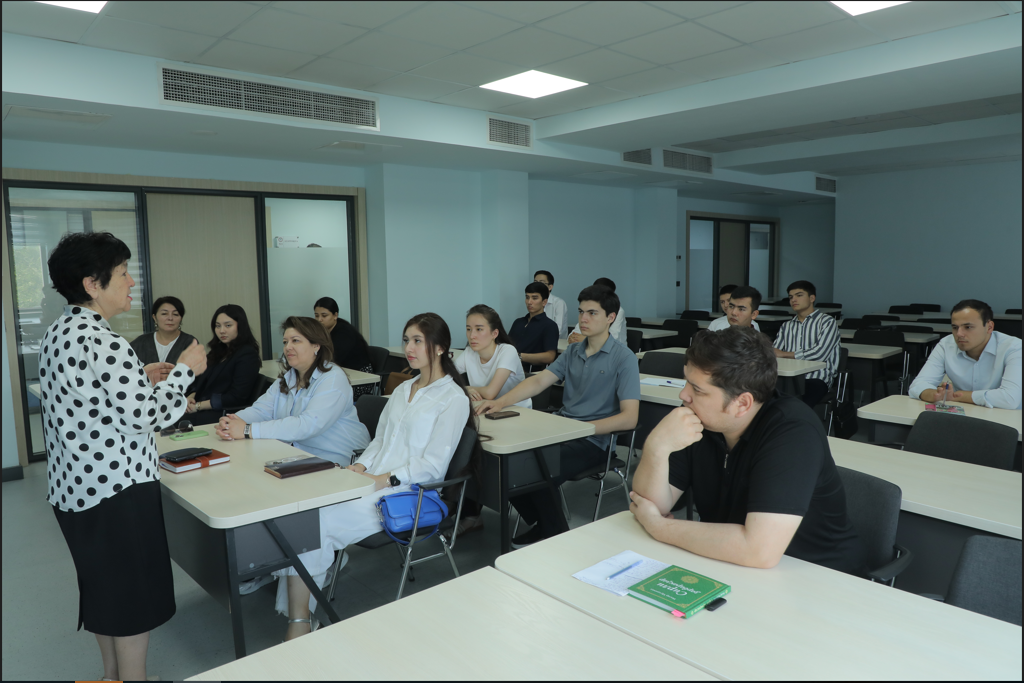
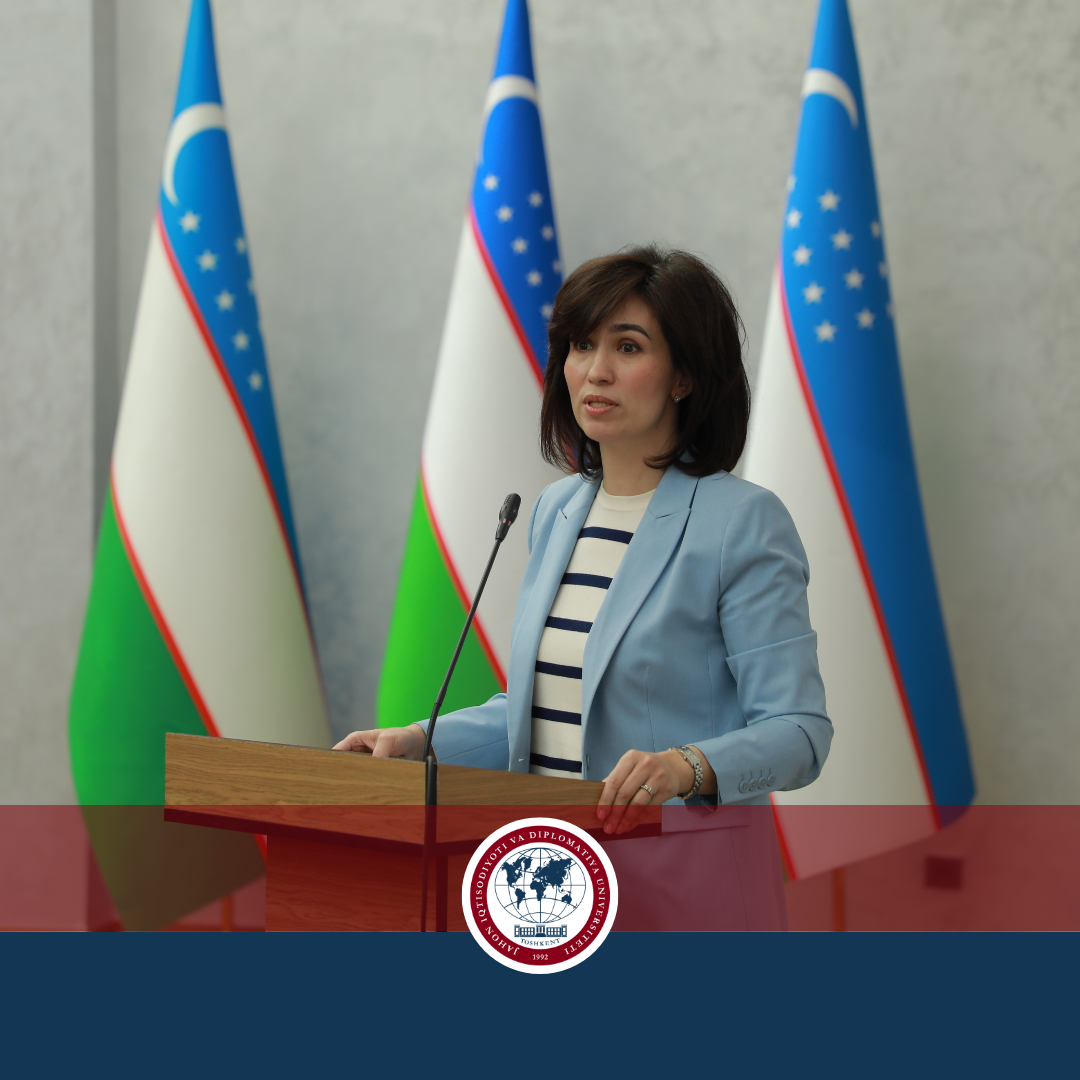
On March 31 of the current year, a field-based session was organized at the State Customs Committee of the Republic of Uzbekistan upon the initiative of the Department of International and Public Law of the University of World Economy and Diplomacy for master’s students in “World Economy” on the topic: “Trade Facilitation and Customs Issues.”
The event brought together field experts, including professionals working within the system of the State Customs Committee of the Republic of Uzbekistan, possessing substantial practical experience in customs administration.
During the session, participants were provided with comprehensive insights into modern mechanisms for regulating international trade, the legal foundations of trade facilitation, simplification of customs procedures, optimization of logistics processes, as well as the significance of the Trade Facilitation Agreement (TFA) adopted within the framework of the World Trade Organization. In addition, students were introduced to practical aspects related to creating favorable conditions for participants of foreign economic activity, the functioning of digital customs systems, risk management mechanisms, and contemporary methods of customs control.
Within the framework of the session, students developed practical skills in the proper application of customs procedures in international trade and in the effective use of legal and institutional mechanisms in conducting foreign economic operations. The session was conducted in an interactive format, including Q&A elements, which enhanced student engagement.
This initiative contributes to enhancing students’ knowledge and competencies in the fields of international economic relations and customs law, fostering practical skills in the legal regulation of trade processes, and preparing them for future professional activity.
Furthermore, the session is closely aligned with the Sustainable Development Goals (SDGs), particularly by promoting quality education (SDG 4) through the development of modern knowledge and practical competencies, advancing industry, innovation, and infrastructure (SDG 9) through the improvement of digital customs systems, and supporting peace, justice, and strong institutions (SDG 16) by strengthening transparent and effective customs governance.
As a result, this initiative plays a significant role in facilitating international trade, deepening economic integration, and advancing the implementation of sustainable development principles in practice.
| Date: | 31.03.2026 |
| Views: | 777 |
| Share: |