A master class was conducted within the framework of the “Criminal Law” course on the topic “Counteracting the legalization of proceeds of crime and the financing of terrorism”
A master class was conducted within the framework of the “Criminal Law” course on the topic “Counteracting the legalization of proceeds of crime and the financing of terrorism”
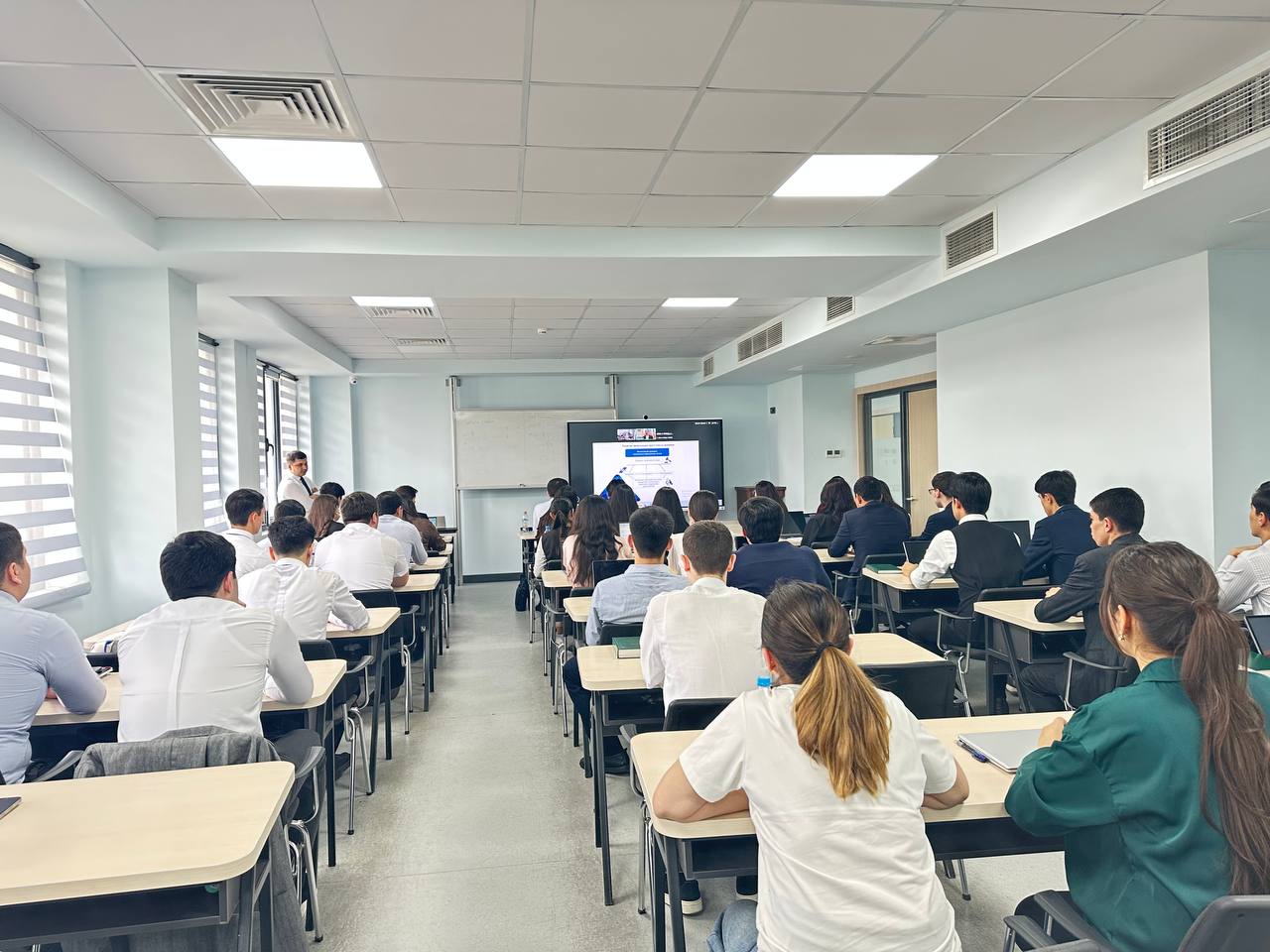
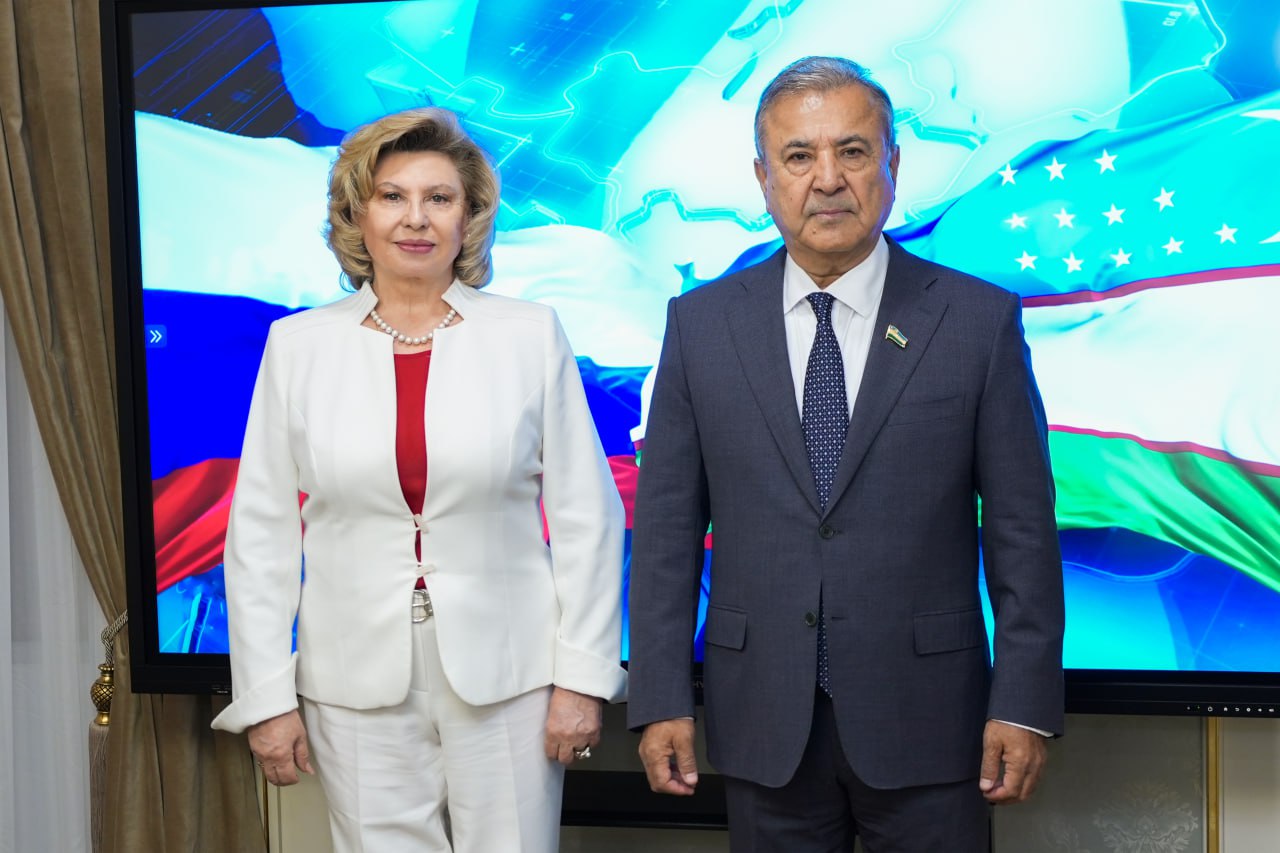
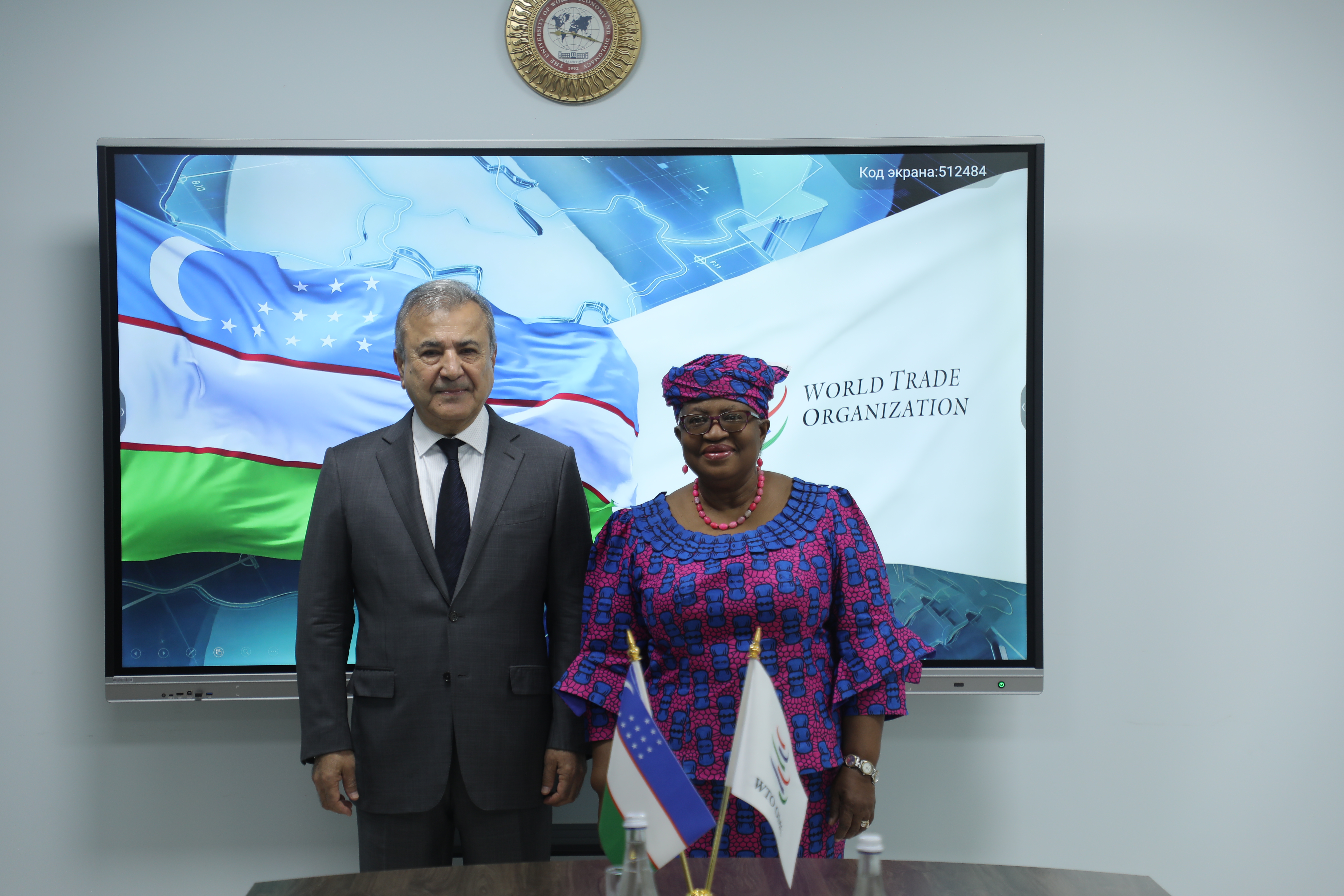
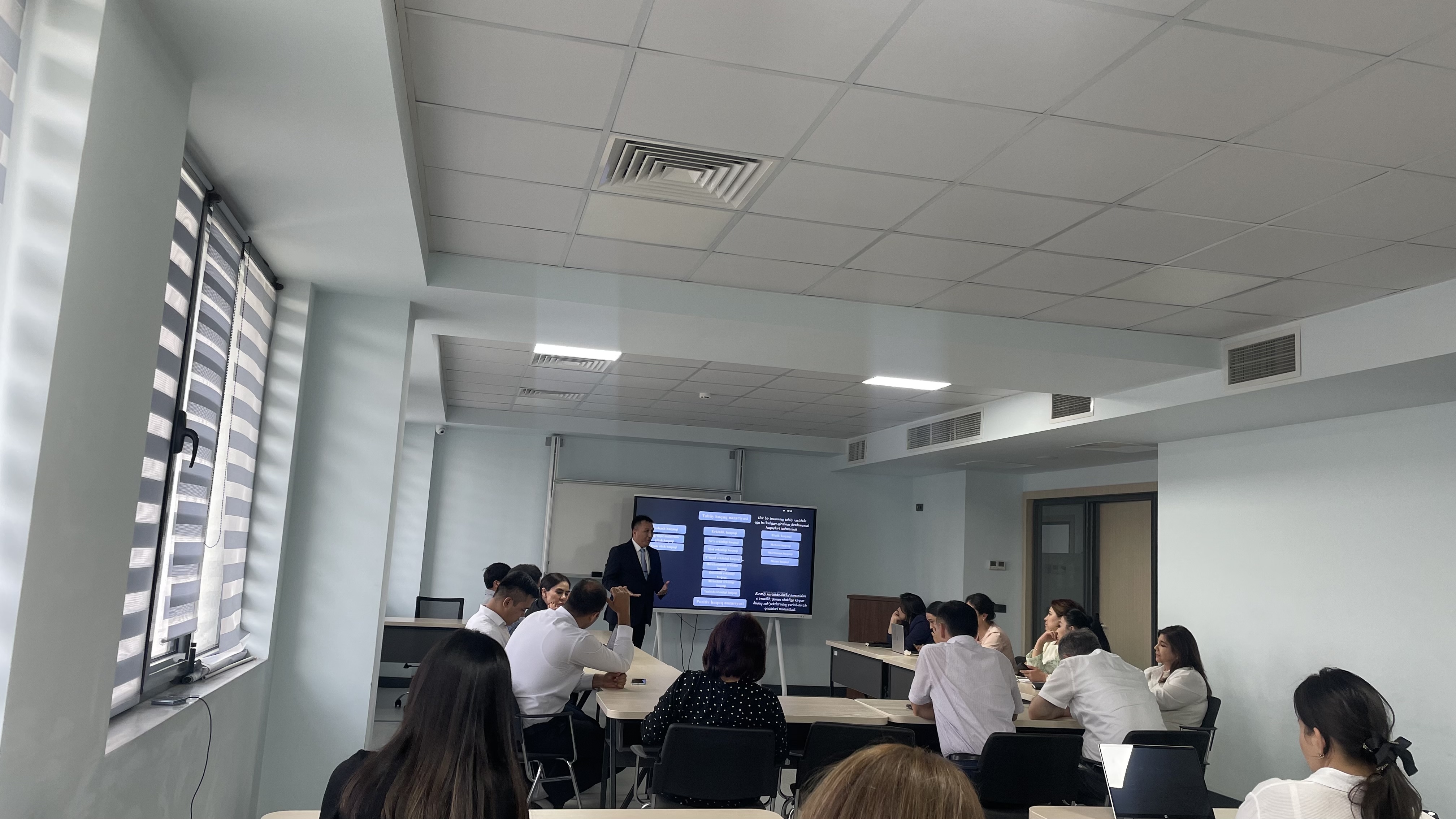
On April 2, 2026, a master class was held at the University of World Economy and Diplomacy for second-year students of the Faculty of International Law as part of the “Criminal Law” discipline. The topic of the session was “Counteracting the Legalization of Proceeds of Crime and the Financing of Terrorism.” The event was organized under the supervision of lecturers D.B. Soliev and N.B. Uzakbaeva. The keynote speaker of the master class was Olga Nikolaevna Tisen, Rector of the Russian State University of Justice.
During the master class, participants examined international legal standards in the field of anti-money laundering, as well as the activities of the Eurasian Group on Combating Money Laundering and Financing of Terrorism (EAG), a FATF-style regional body. Particular attention was paid to the legal qualification of offenses related to the legalization of criminal proceeds, practical case studies, typologies of financial crimes, and the role of law enforcement agencies and financial institutions within the AML/CFT framework.
In addition, financial crimes involving cryptocurrencies were analyzed. For instance, widely used crypto-assets such as Bitcoin, Ethereum, Tether (USDT), and USD Coin (USDC) are frequently employed for the transfer and layering of illicit proceeds through multiple transactions. Crypto-assets often function as an intermediary tool for storing and transferring value derived from illegal activities. Due to the absence of centralized control, as well as the use of smart contracts, cryptocurrencies significantly complicate the identification of transaction participants and the detection of illicit financial flows.
Participants were provided with a unique opportunity to engage directly with an expert, discuss current challenges in law enforcement practice, and explore advanced approaches to combating financial crimes.
The event was aimed at enhancing the professional training of future legal practitioners and fostering the research potential of students in the fields of criminal law and financial security.
Furthermore, the master class directly contributes to the achievement of the United Nations Sustainable Development Goals (SDGs), in particular: ensuring quality education (SDG 4) through the development of modern knowledge and practical competencies in AML/CFT; promoting innovation and digital technologies (SDG 9) by studying financial monitoring mechanisms, blockchain analytics, and other tools for detecting suspicious financial transactions; and strengthening peace, justice, and strong institutions (SDG 16) by improving the effectiveness of systems countering financial crime and enhancing transparency in financial and legal mechanisms.
As a result, the conducted event holds significant importance for improving the effectiveness of the national AML/CFT system, advancing law enforcement practices, and integrating sustainable development principles into the activities of state authorities and financial institutions.
| Date: | 03.04.2026 |
| Views: | 877 |
| Share: |