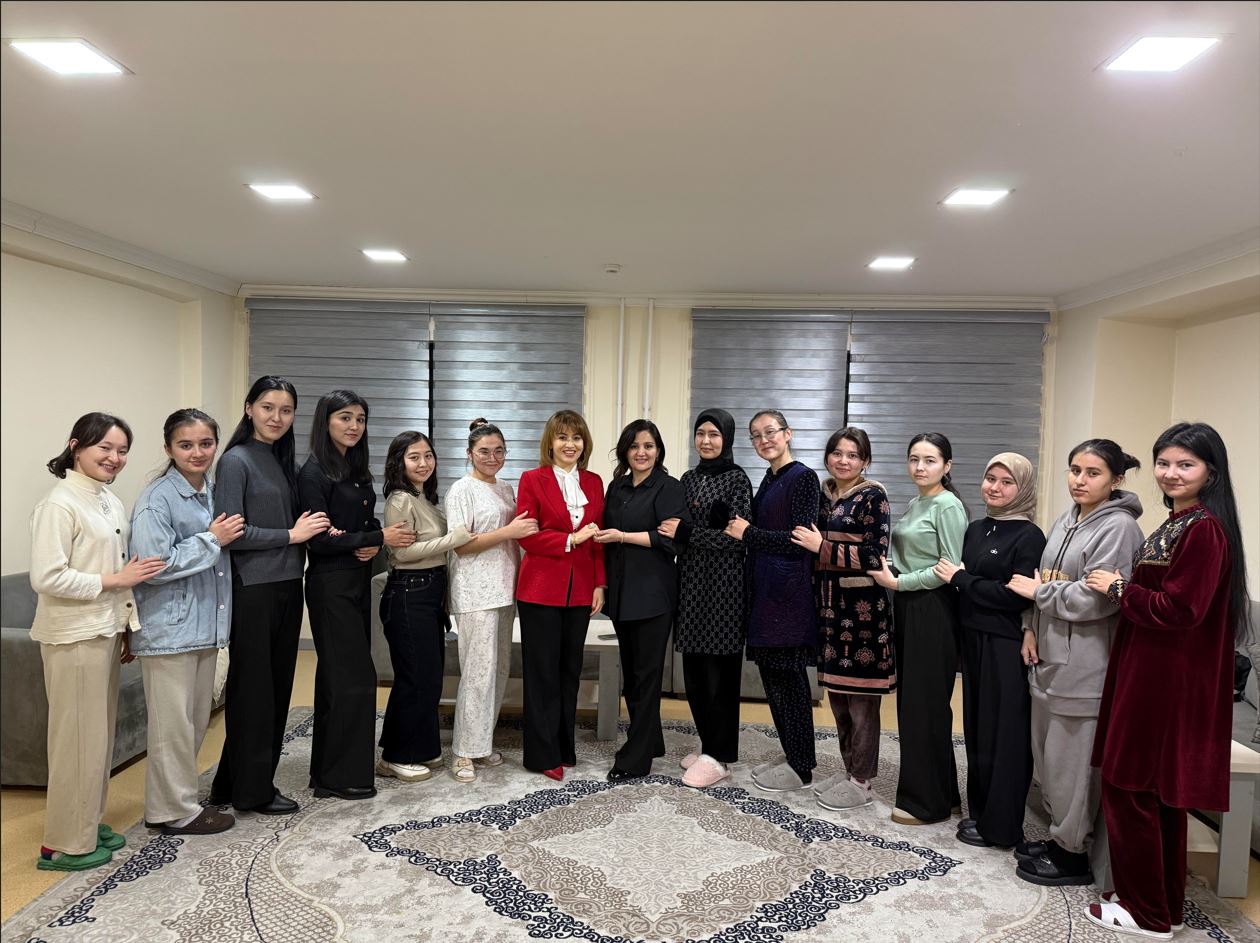
A methodological seminar on the main directions and priorities of the Address of President Shavkat Mirziyoyev to the Oliy Majlis and the people of Uzbekistan was held at UWED
A methodological seminar on the main directions and priorities of the Address of President Shavkat Mirziyoyev to the Oliy Majlis and the people of Uzbekistan was held at UWED
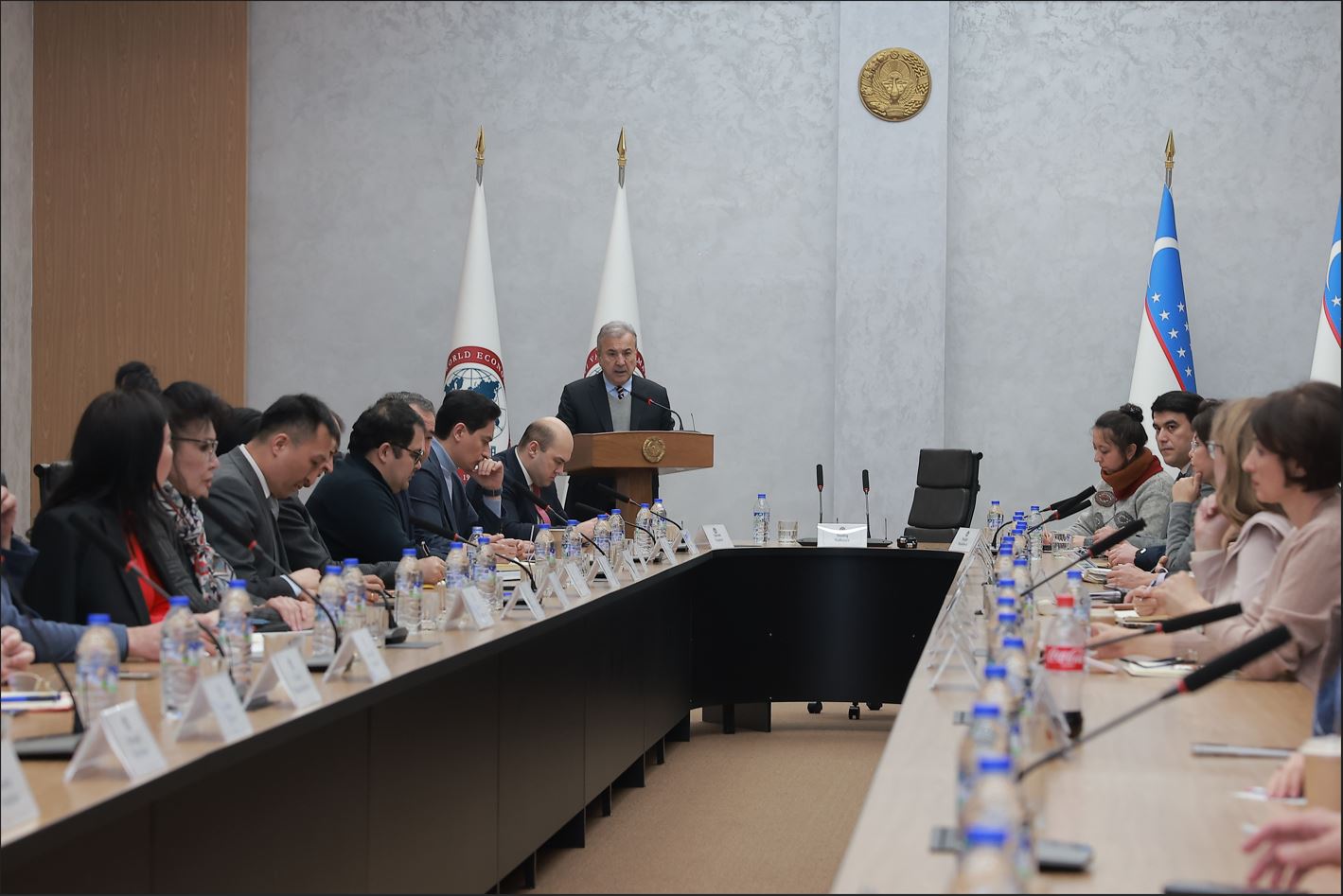
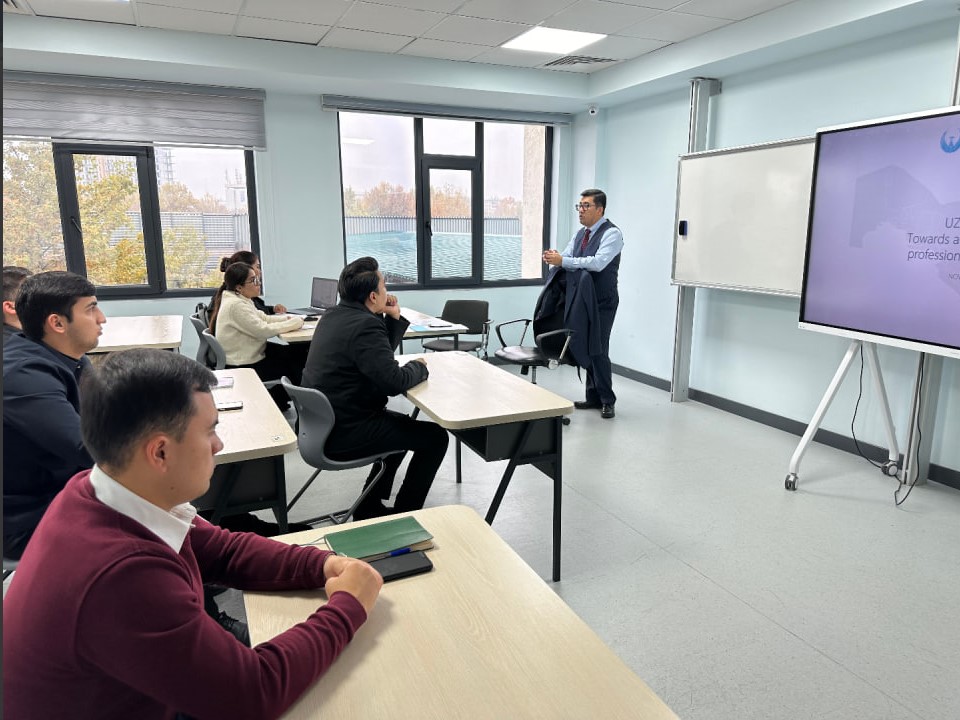
On January 23, 2026 the Methodological Council of the University of World Economy and Diplomacy arranged the academic seminar dedicated to “Main dimensions and priority tasks of the Address of the President of the Republic of Uzbekistan Shavkat Mirziyoyev to the Oliy Majlis and the people of Uzbekistan”.
The meeting was attended by the UWED administrative and teaching staff, members of the Academic Council and employees of academic departments. In the main part of the event the First Deputy Chairman of the Senate of Uzbekistan, Rector of UWED S. Safoyev delivered/gave a keynote speech. In introduction part of the presentation speaker outlined the essence and significance of the program/conceptual document, the philosophy of building a social state along with the interconnection/correlation of the country's competitive advantages, proceeding transformations, and projected strategic development goals. The presentation introduced the key areas of the Address of President of Uzbekistan to the Oliy Majlis and the People of Uzbekistan on December 26, 2025, highlighting the long-term strategic goals and tangible practical results of ongoing reforms, including expanding market relations, increasing social protection/welfare, strengthening the rule of law, maintaining sustainable economic growth amid ongoing disruptions in global production chains and clashes of economic interests, achieving high GDP indicators, growth of foreign investments, and strengthening Uzbekistanʻs competitive advantages in international rankings, which is undoubtedly receiving recognition from the international community.
The Presidentʻs Address outlined the following strategic goals and programmatic areas for Uzbekistanʻs development in 2026: 1. further improvement of mahalla infrastructure; 2. transition of the economy to a model of technological and innovative growth; 3. stimulation of demand in the domestic market; 4. development of professions and creation of a new labor market architecture; 5. ensuring environmental balance, developing green energy, and rational use of water resources; and 6. reforms in the sphere of modern public administration and a fair judicial and legal system. To combat corruption as a crucial challenge and threat in a list, particularly during the period of transformation, a “state of emergency” was declared in response to it and Compliance Services are to be established.
Furthermore, academic seminar focused on the results of open, proactive foreign policy, the priority of developing and strengthening cooperation with the countries of Central Asia, and building equal and constructive relations with all states even above-and-beyond complex geopolitical tensions.
The seminar also addressed issues outlined by the President of Uzbekistan at the expanded meeting of the Security Council on strengthening military security and defense on January 13, 2026. Specifically, the seminar highlighted the progress made in strengthening the defense industry’s capabilities, fundamentally upgrading the military training system, creating and strengthening unmanned aerial vehicle units and specialist training centers, and digitalizing the army.
The methodological seminar also focused on current challenges in updating the activities of the Ministry of Foreign Affairs and diplomatic missions of Uzbekistan, as it was presented at a videoconference on January 15, 2026, chaired by the President of Uzbekistan. Priority objectives included strengthening economic diplomacy and its impact on the dynamics and volumes of export and investments. The seminar also referred to the issues of retraining diplomatic service’s employees/personnel, prioritizing and gaining the efficiency of expertise and research skills, and improving strategic analysis approaches in determining international relations.
The concluding part of the seminar was followed by the discussion session, when participants of the event expressed their initiatives on improvement of the system of diplomatic service.
| Date: | 24.01.2026 |
| Views: | 1498 |
| Share: |