Seminar-Training on Advancing Inclusive Education within the Framework of the Sustainable Development Goals
Seminar-Training on Advancing Inclusive Education within the Framework of the Sustainable Development Goals
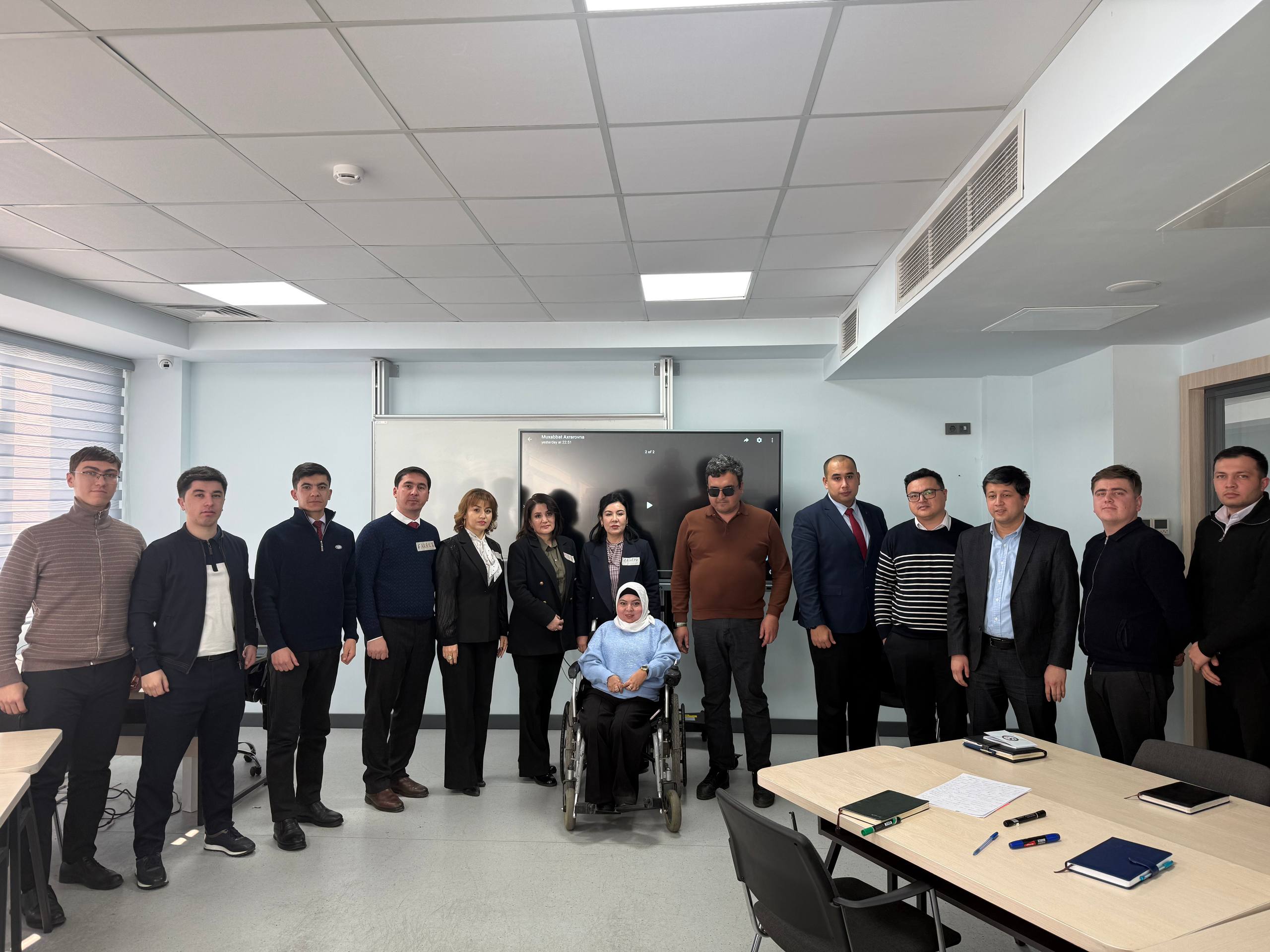
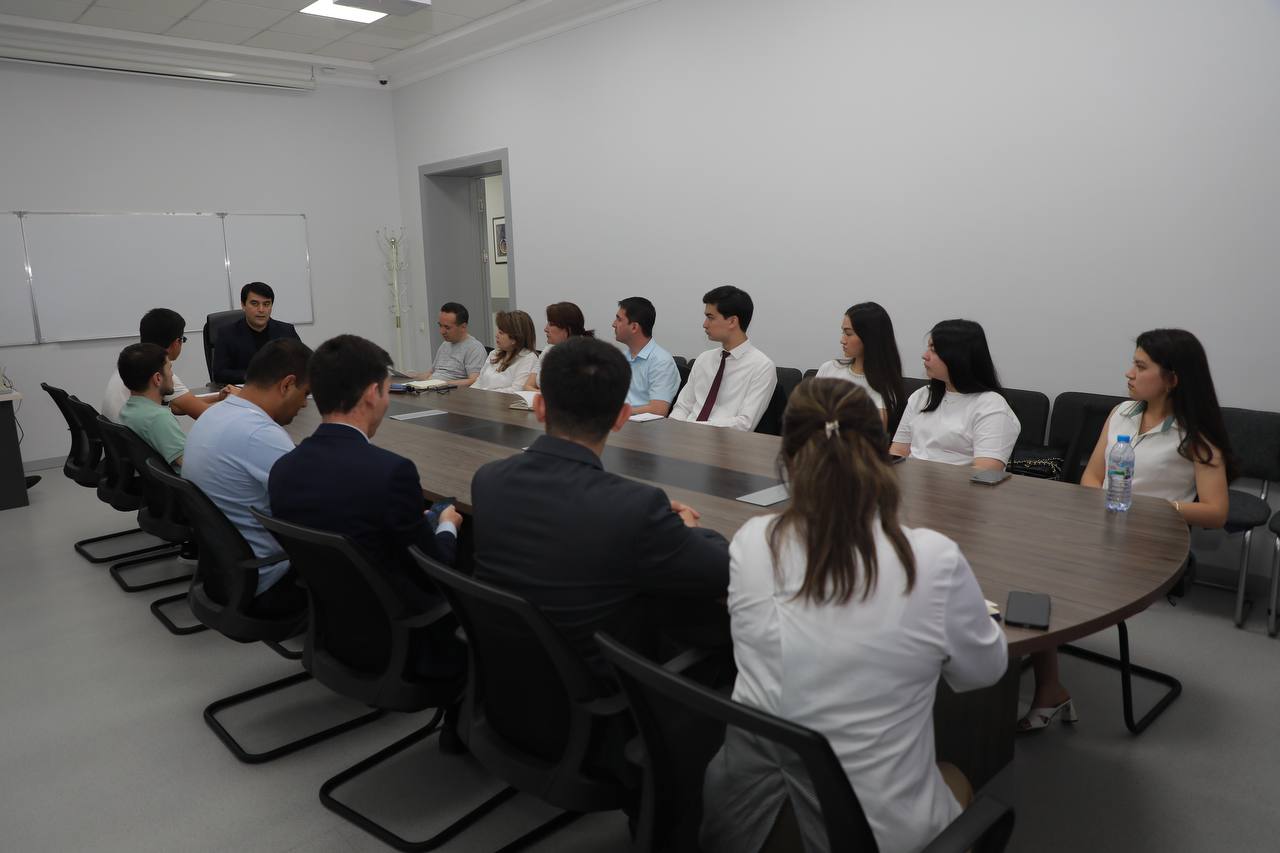
As part of the university’s broader staff development efforts on social aspects of sustainability, inclusive education, and equal access, UWED organized a seminar-training aimed at strengthening inclusive education practices, improving the implementation of opportunities created within the framework of the Sustainable Development Goals, and fostering an equitable learning environment for all students.
In accordance with Order No. 295-T dated 18 December 2025, the University continued its work on developing staff capacity in this area through a dedicated seminar-training held on 6–7 January 2026 for university employees on the topic of “Developing Skills for Working with Students with Special Educational Needs in Higher Education Institutions.” The training was organized in cooperation with Sharoit Plus, a public association for persons with disabilities based in Tashkent.
The seminar-training formed a focused part of the university’s ongoing professional development activities for staff in the field of inclusion and social sustainability. It provided both theoretical and practical guidance on contemporary models of inclusive education, effective communication with students with special educational needs, and mechanisms to support their full participation in the educational process.
Representatives of Sharoit Plus delivered practical recommendations on adapting the learning environment, ensuring an individualized approach in teaching and support, and strengthening inclusive communication ethics and psychological preparedness among staff. During the practical sessions, participants worked through real-life cases and explored applicable inclusive education models, enabling them to strengthen relevant skills for implementation within the higher education context.
The seminar-training also reinforced the importance of promoting a culture of inclusion in higher education, improving staff readiness, and embedding practical approaches that support equal access and participation for students with diverse educational needs. As such, it served as an important component of the university’s continuing efforts to advance social sustainability through inclusive and equitable educational practices.
| Date: | 07.01.2026 |
| Views: | 1296 |
| Share: |