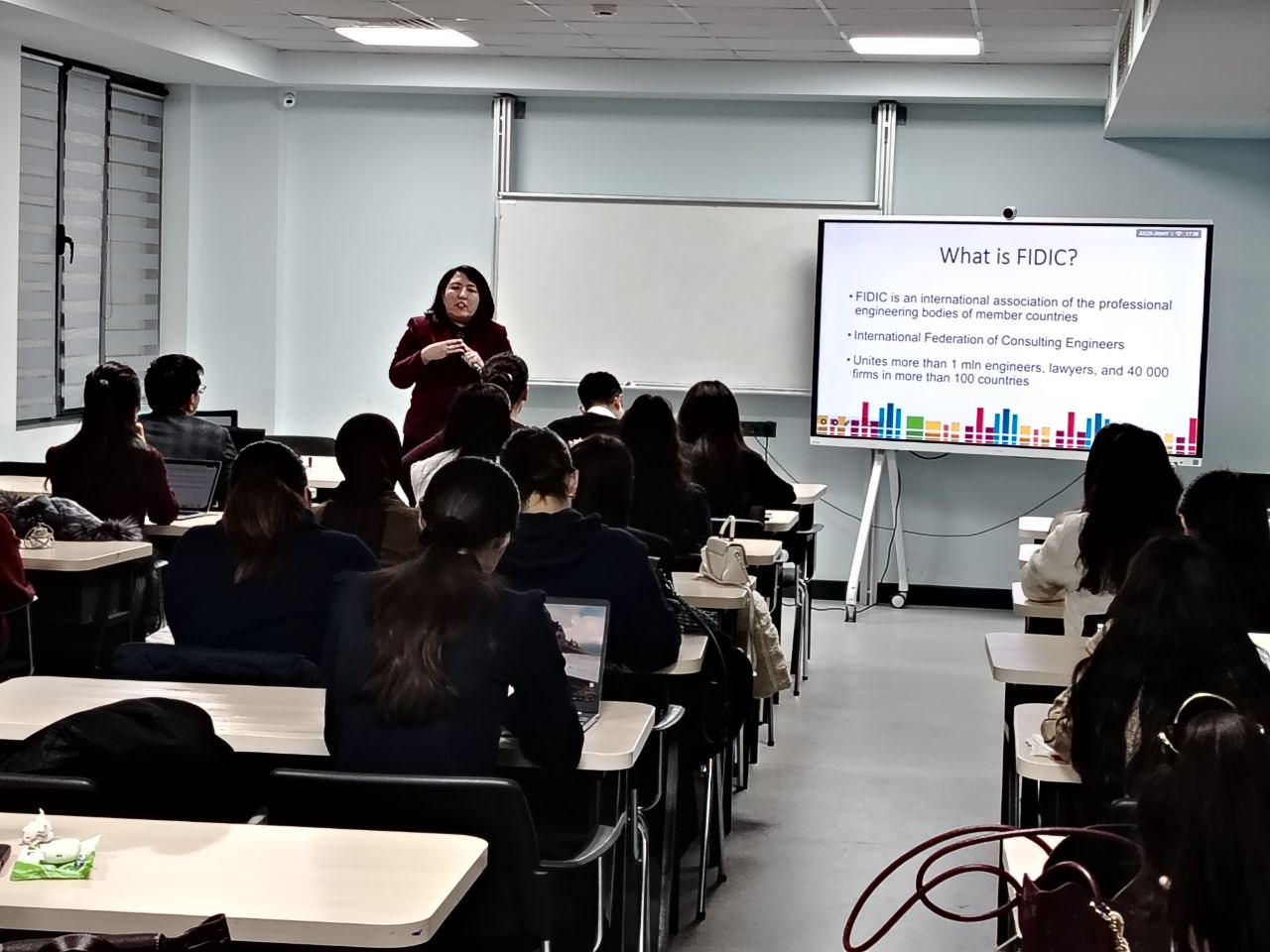
The University of World Economy and Diplomacy held a Master Class on Concession Agreements and Public-Private Partnership Agreements in The Context of Implementing The SDGs
The University of World Economy and Diplomacy held a Master Class on Concession Agreements and Public-Private Partnership Agreements in The Context of Implementing The SDGs
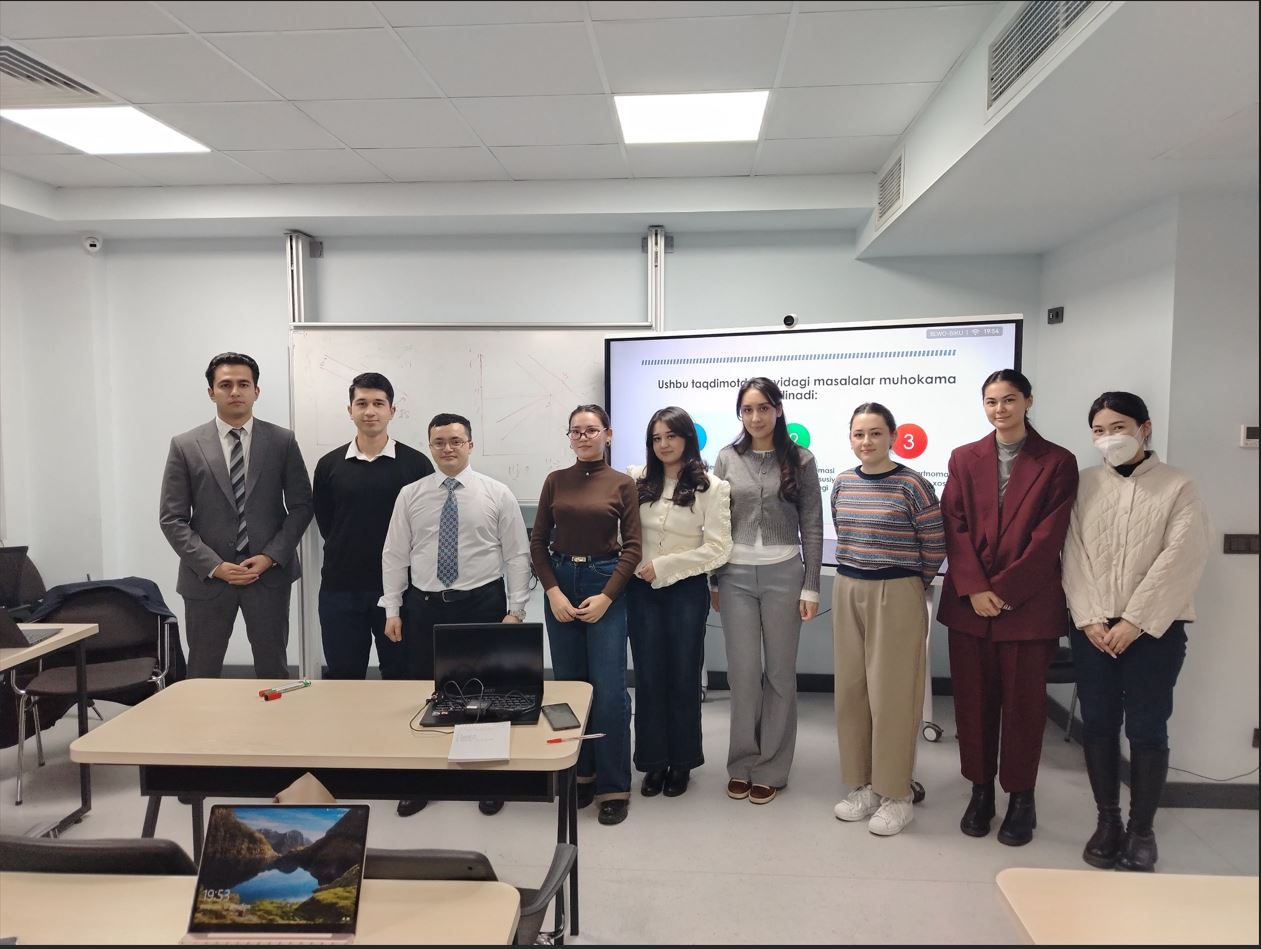
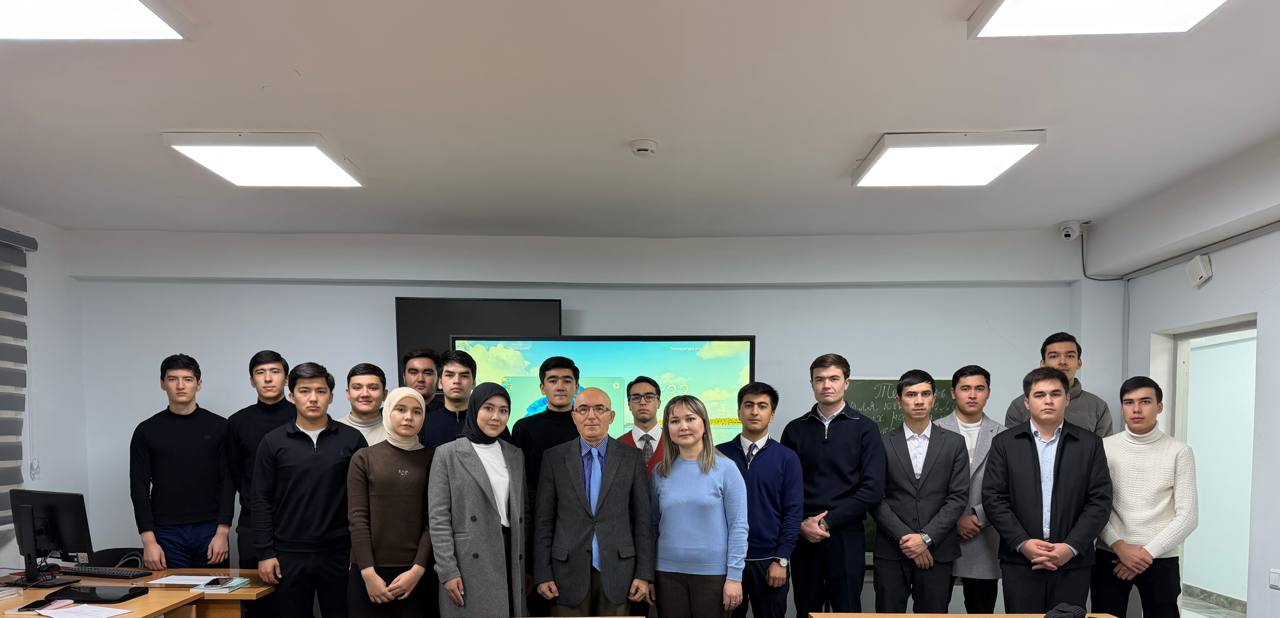
On 16 December this year, the University of World Economy and Diplomacy held a master class on the subject of “International Commercial Transactions” for first-year master's students studying “International Business Law” and “International Commercial Arbitration and Dispute Resolution”. The topic of the master class was “Concession Agreements and Public-Private Partnership Agreements”. The master class was organised by Professor Imamova Dilfuza of the Department of Civil Law and International Private Law.
Yunusov Dostonbek, a practising specialist and lawyer with the National Committee on Ecology and Climate Change of the Republic of Uzbekistan, was invited to conduct the master class.
During the master class, Yunusov Dostonbek discussed in detail the features of concession agreements and public-private partnership agreements, as well as conducted a comparative analysis of them. He shared his practical experience in applying these mechanisms, which allowed master's students to clearly link theoretical knowledge with practice.
The master's students showed great interest in the topics discussed, actively participated in the discussion, asked questions about the legal nature and practice of implementing concession agreements and public-private partnership agreements, and received substantive and reasoned answers.
This master class directly contributes to the implementation of UN Sustainable Development Goal 17, “Partnerships for the Goals”, in particular paragraph 17.6, which calls for strengthening international cooperation in science, technology and innovation, as well as expanding access to them. As a result, the master class contributed to the development of international cooperation, knowledge sharing and the expansion of educational opportunities in the field of international commercial transactions, making a significant contribution to the development of academic dialogue, strengthening the interaction between theory and practice, and improving the educational process.
| Date: | 16.12.2025 |
| Views: | 1394 |
| Share: |