A training on "WTO and New Trends in International Trade Law" was held at UWED
A training on "WTO and New Trends in International Trade Law" was held at UWED
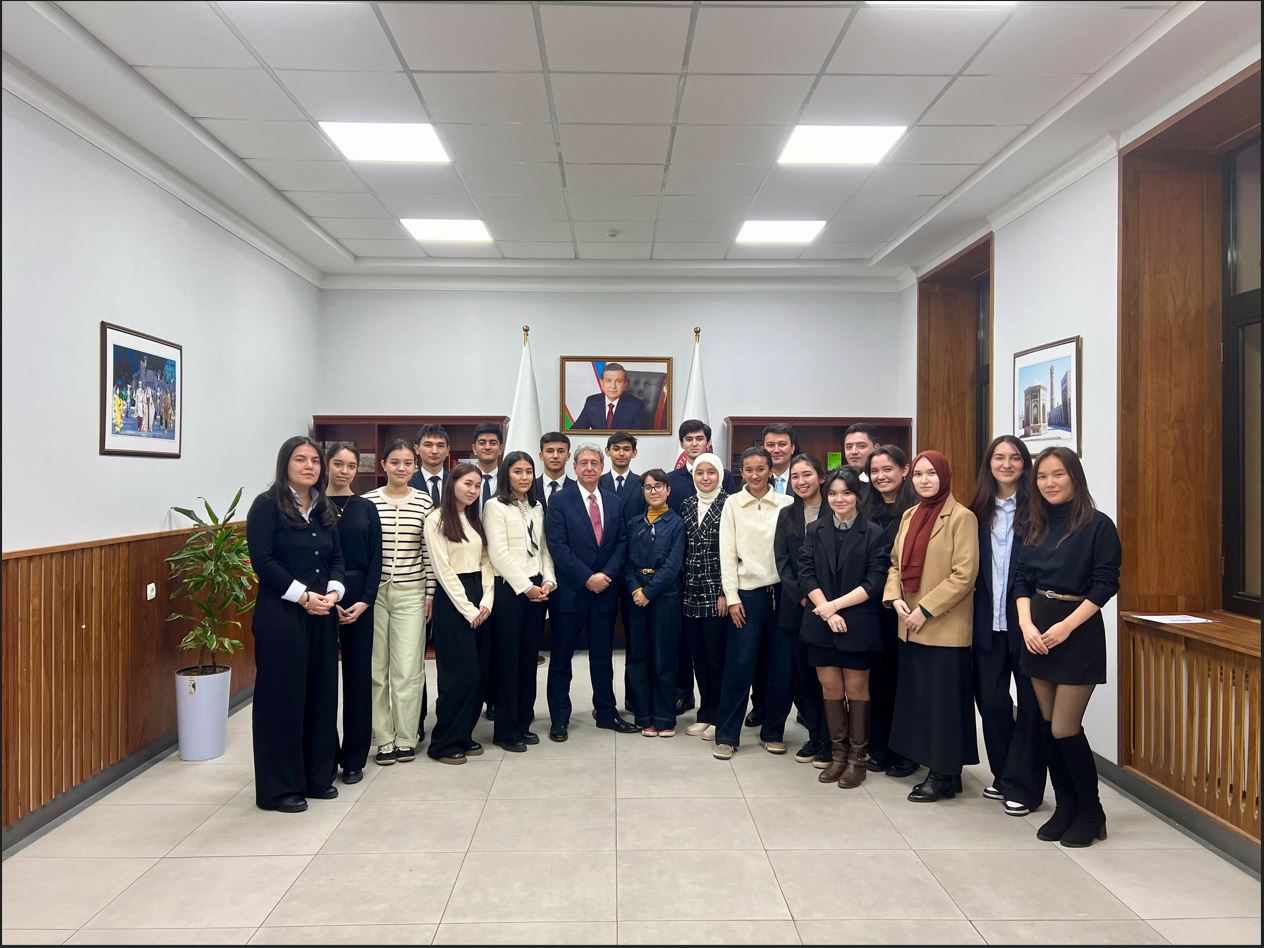
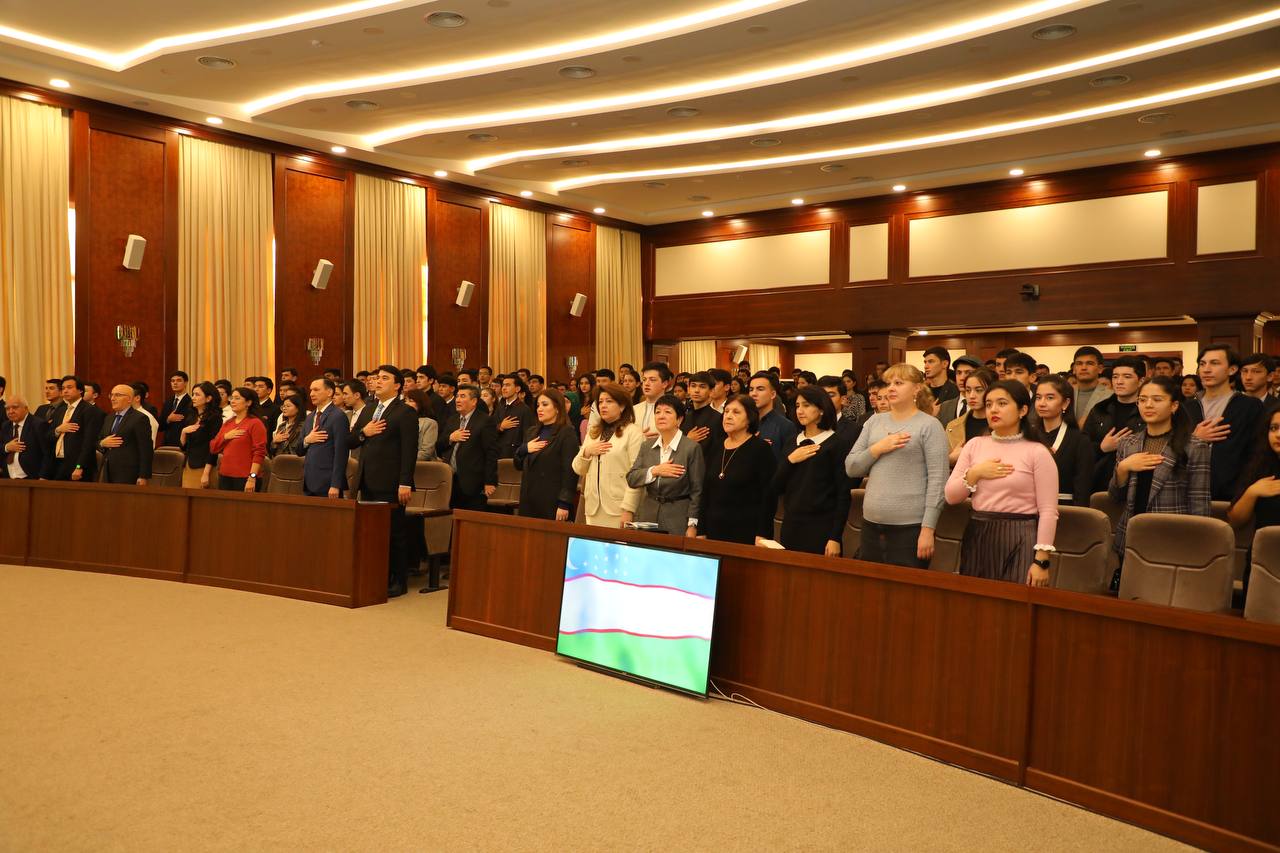
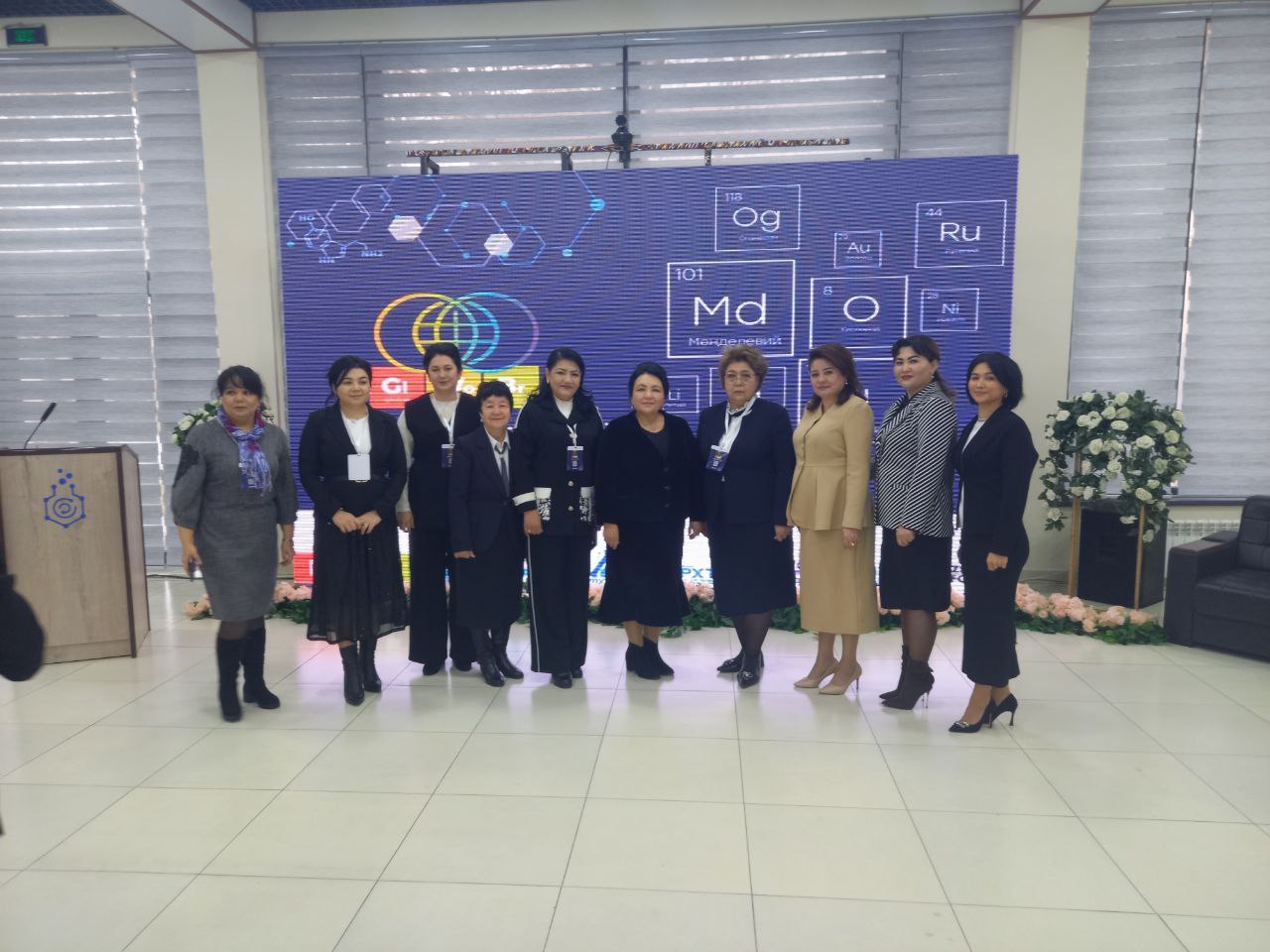
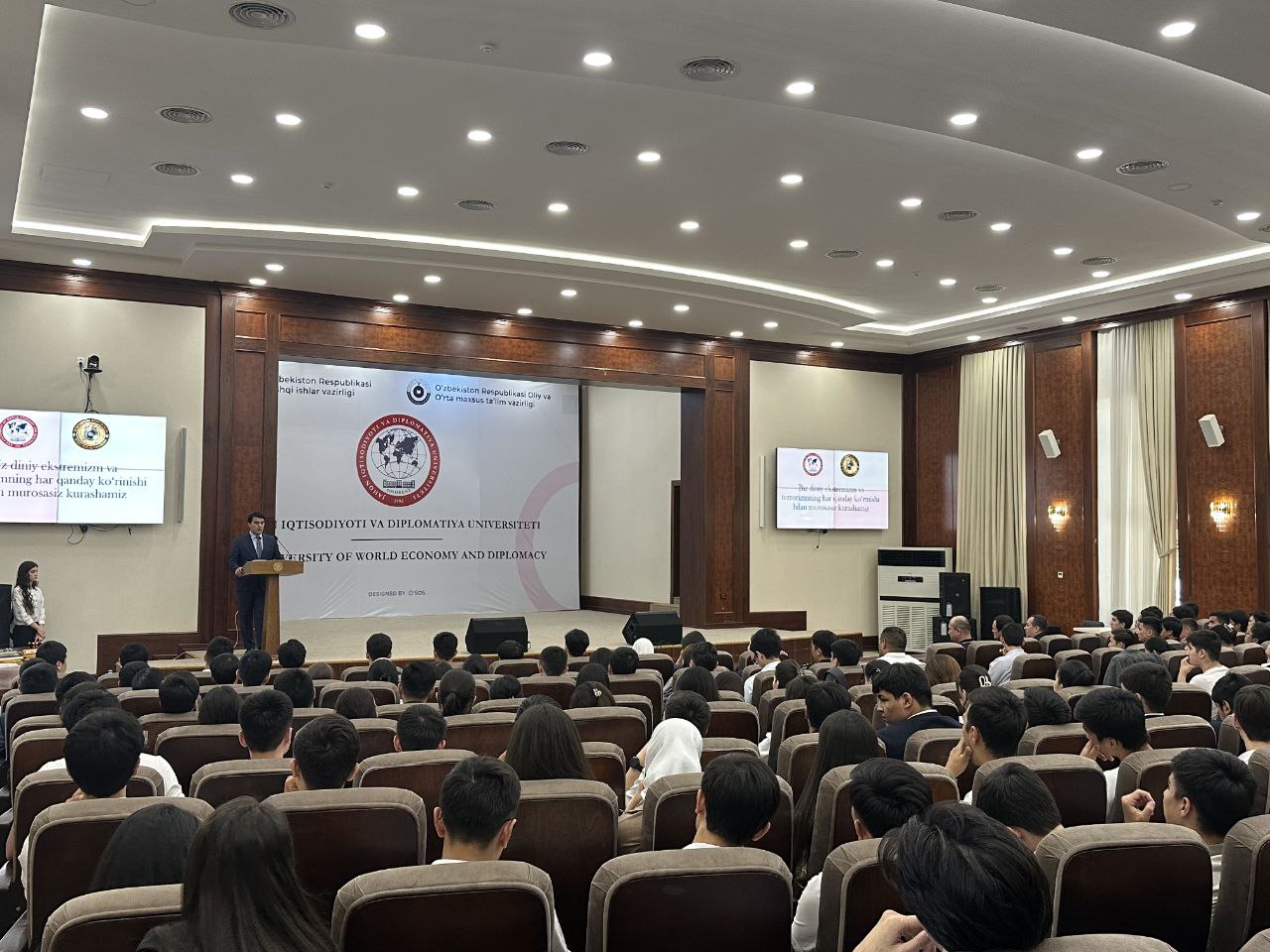
On December 2-3 of this year, the WTO Department of the University of World Economy and Diplomacy organized a two-day training on the topic "WTO and new trends in international trade law". The event brought together students, researchers, as well as teachers of UWED, TSUL, TSEU and other educational institutions. The training was conducted by Arthur Appleton, an expert in the field of international trade law, who provided participants with clear and practice-oriented explanations on current trends in the multilateral trading system.
Day 1 focused on WTO rules and modern environmental measures. The opening session reviewed key WTO agreements—GATT, TBT, SPS, SCM and GATS—and examined how Article XX allows environmentally motivated policies. Participants explored real WTO dispute cases, including Shrimp–Turtle, Tuna–Dolphin and EC–Asbestos, followed by a group discussion on how far WTO Members can regulate for environmental protection.
The second session highlighted the European Union's climate trade initiatives, with a particular focus on the Carbon Adjustment Mechanism at the Frontier (CBAM). Speakers discussed its objectives, methodology and possible issues of compliance with WTO rules, as well as EU policy in the field of biodiesel and eco-labelling practices. The final session of the first day was devoted to the analysis of how the Agreement on Technical Barriers to Trade regulates technical and environmental standards, with consideration of key disputes and the role of international standards and eco-labeling in global trade.
The second day was aimed at exploring new regulatory trends in the field of subsidies and digital trade. Participants were given an overview of the WTO Agreement on Subsidies and Countervailing Measures (CCM), as well as the introduction to the EU Foreign Subsidy Regulation (FSR), with a focus on its broader scope and possible overlaps with WTO rules.
The final session was devoted to digital trade, discussion of WTO rules related to e-commerce, cross-border data flows and digital services. Participants compared global regulatory models – including the EU GDPR, the US approach and the Chinese data localization system – and considered how data regulation can be assessed in terms of WTO principles such as most-favoured-nation treatment, national treatment and Article XIV.
| Date: | 04.12.2025 |
| Views: | 1290 |
| Share: |