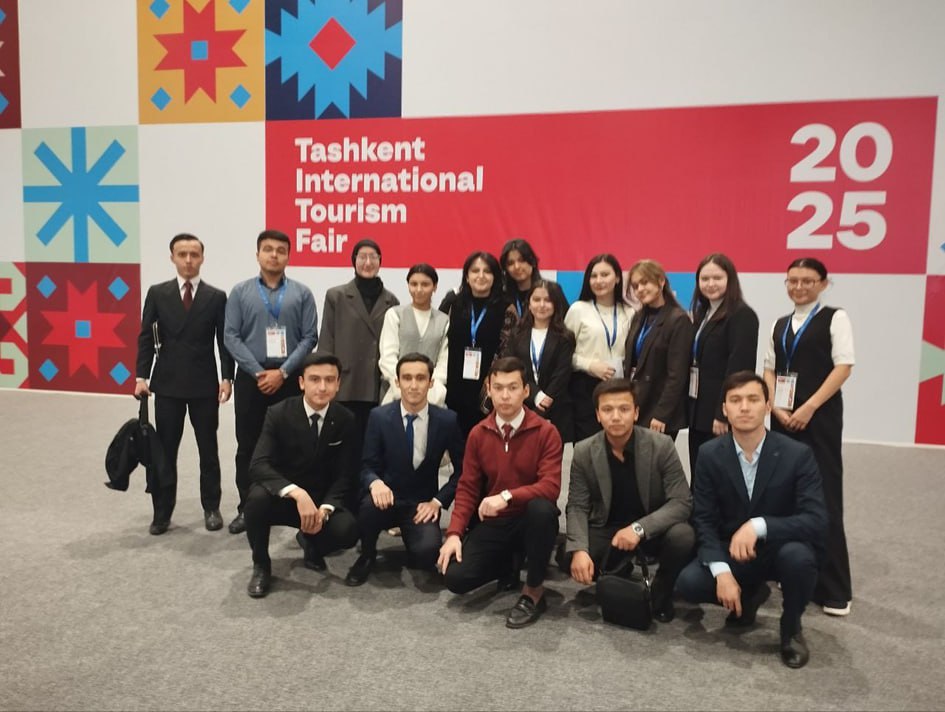
About the visit of faculty members of the Department of International Economics and students of the University of World Economy and Diplomacy to Family Polyclinic No. 4
About the visit of faculty members of the Department of International Economics and students of the University of World Economy and Diplomacy to Family Polyclinic No. 4
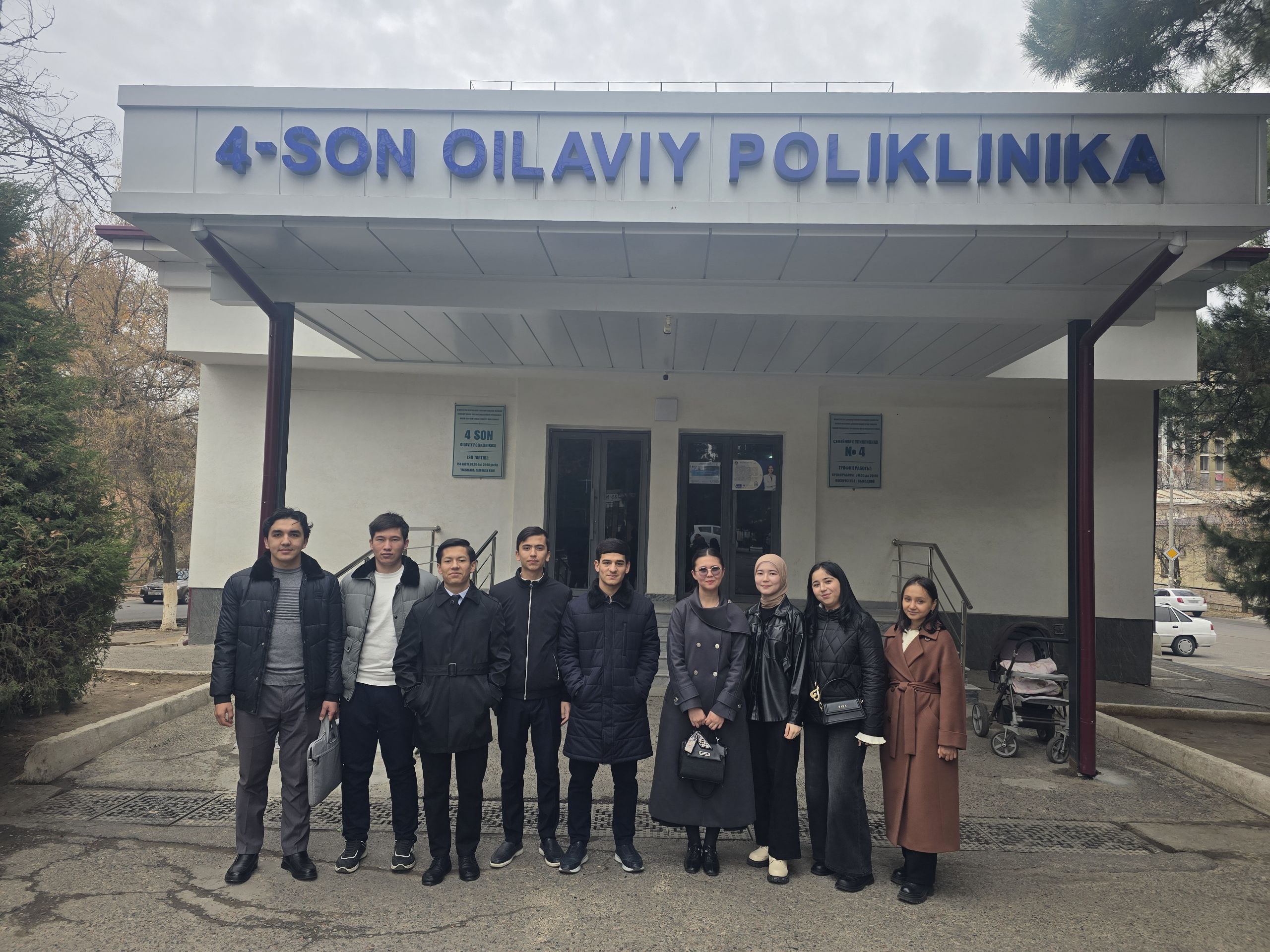
On December 12, 2025, under the leadership of Acting Associate Professor of the Department of International Economics at the University of World Economy and Diplomacy, Kh.R. Karimova, and Senior Lecturer F.A. Bekmuradova, together with second-year students of the Faculty of International Economic Relations, a study visit was conducted to Family Clinic No. 4, where the university's staff and students are assigned.
The main purpose of this visit was to familiarize the students with the activities of the primary health care system, the content of medical services provided to the population, and the socioeconomic significance of healthcare institutions.
During the visit, students learned about the services provided by Family Clinic No. 4, including initial medical examinations, preventive screenings, vaccinations, specialist appointments, laboratory and diagnostic services, and maternal and child health services.
Students also received a detailed explanation of the clinic's application process, the electronic queuing system, registration mechanisms, medical record management, and doctors' appointment schedules. Clinic staff also provided detailed explanations on promoting a healthy lifestyle, disease prevention, and the quality of services provided to the population.
This visit helped students develop a practical understanding of the role of the healthcare system in socioeconomic development, its importance in human capital development, and ways to improve the efficiency of public services. The visit was organized in line with the United Nations Sustainable Development Goals (SDGs) and aimed to enhance students' social responsibility, understand the importance of the healthcare system, and facilitate the connection between theory and practice. During the visit, students learned about primary healthcare services and gained important knowledge and skills in improving public health and well-being (SDG 3), developing high-quality and practice-oriented education (SDG 4), ensuring social justice and reducing inequalities (SDG 10), and strengthening cooperation between higher education institutions and the healthcare system (SDG 17).
In summary, this visit made a significant contribution to enhancing students' social responsibility, deepening their understanding of the role of the healthcare system in economic and social development, and fostering a practical understanding of the Sustainable Development Goals.
| Date: | 13.12.2025 |
| Views: | 1325 |
| Share: |