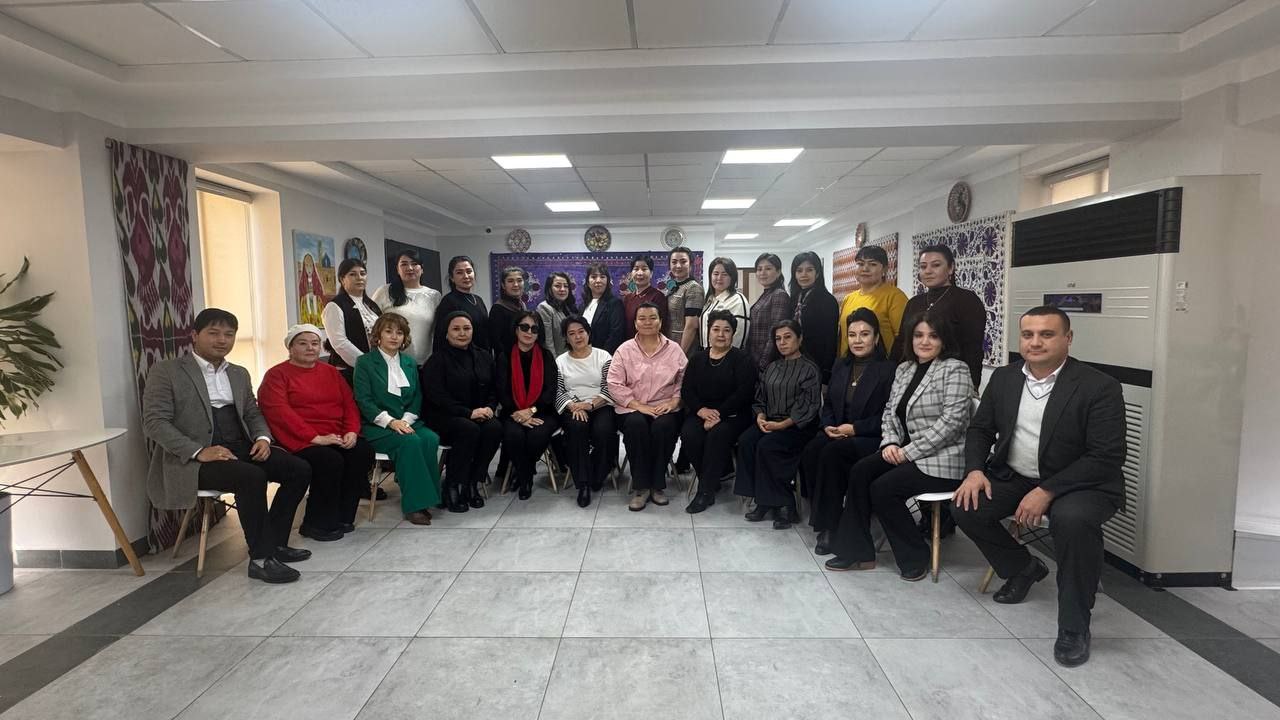
Master Class on “Application of Modern Technologies and Methods at the Stage of Preliminary Investigation and Inquiry in the Republic of Uzbekistan”
Master Class on “Application of Modern Technologies and Methods at the Stage of Preliminary Investigation and Inquiry in the Republic of Uzbekistan”
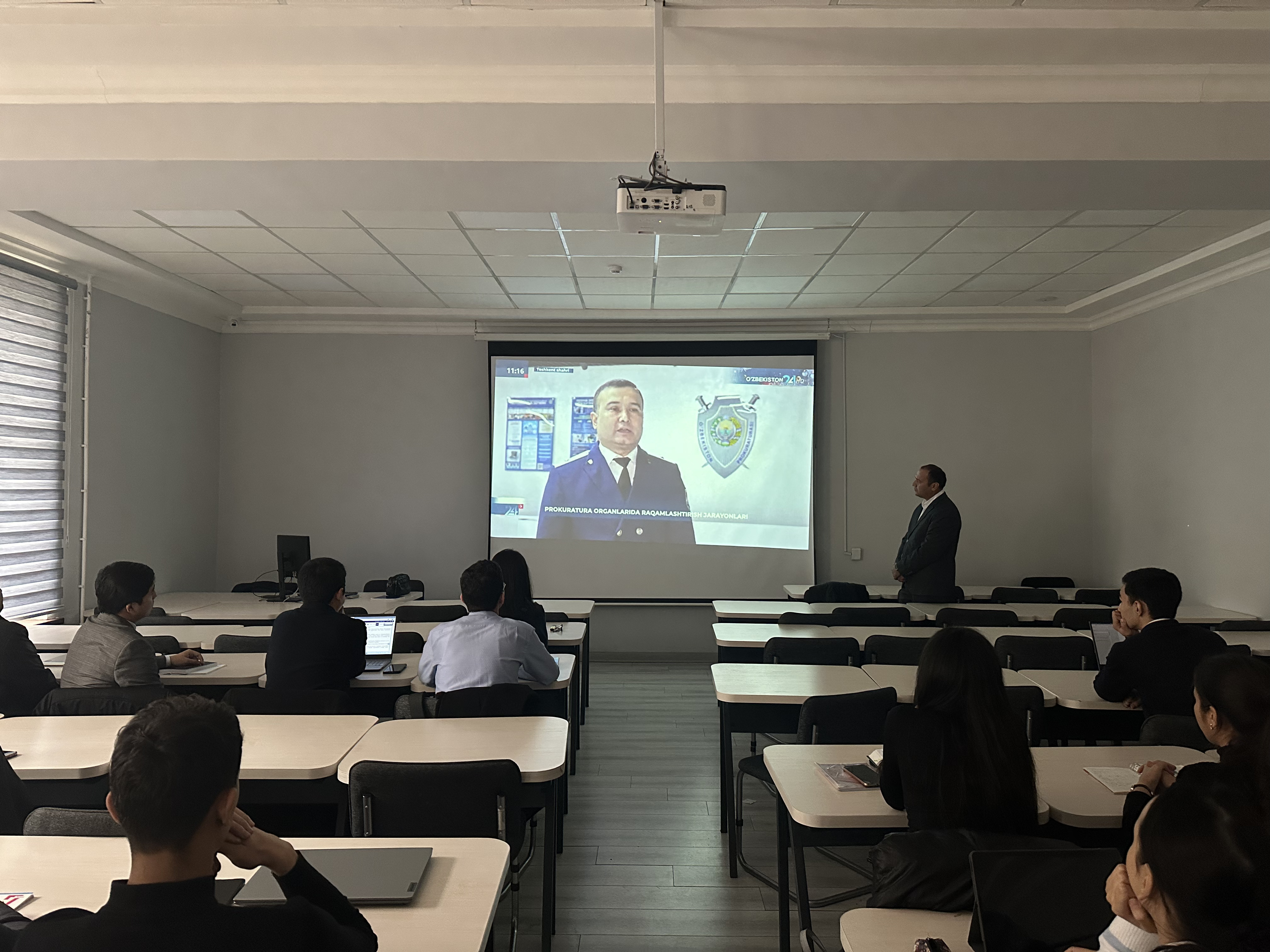
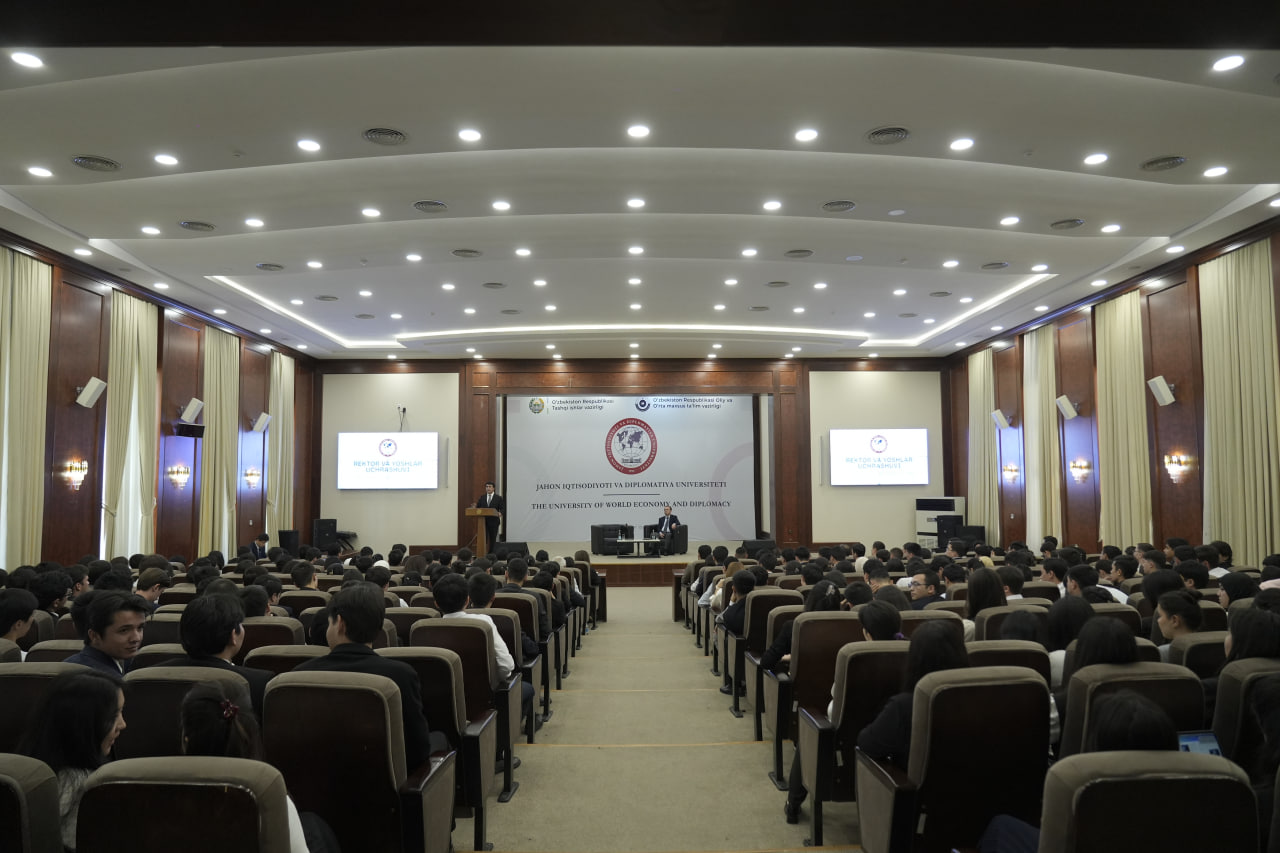
On December 11 of the current year, at the initiative of Senior Lecturers A. Davronov and D. Soliyev of the Department of International Law and Public Law Disciplines, a master class entitled “Application of Modern Technologies and Methods at the Stage of Preliminary Investigation and Inquiry in the Republic of Uzbekistan” was organized at the University of World Economy and Diplomacy for third-year students of the Faculty of International Law.
The event featured an invited expert, Bekzod Khalimovich Rajabov, Senior Lecturer of the Department of Criminalistics and Forensic Expertise of the Academy of Law Enforcement Agencies of the Republic of Uzbekistan, Doctor of Philosophy in Law (PhD), who delivered a presentation on recent developments and reforms in the field of preliminary investigation and inquiry.
During the session, experts provided students with detailed information on the implementation of priority tasks defined by the President of the Republic of Uzbekistan aimed at improving the quality of training of qualified personnel in investigative activities, modern criminalistic approaches, new methods of collecting and securing evidence, the introduction of digital technologies into the investigative process, as well as recent developments in forensic examination practice.
Through direct interaction with the expert, students received comprehensive answers to their questions concerning the implementation and support of the “E-Investigation” software system, potential risks associated with conducting procedural actions in criminal cases in electronic form, specifics of conducting preliminary investigations and inquiries, modern interrogation methods, and the implementation of the principle of establishing the truth as stipulated in the Criminal Procedure Code through the interrogation of suspects and accused persons, along with other procedural actions at the preliminary investigation stage.
It was emphasized that such forms of cooperation between higher education institutions and relevant practical bodies have a positive impact on the quality of education and play a significant role in enhancing students’ practical and professional skills, thereby contributing to the training of highly qualified legal professionals.
| Date: | 11.12.2025 |
| Views: | 1366 |
| Share: |