Central Asia Summer School
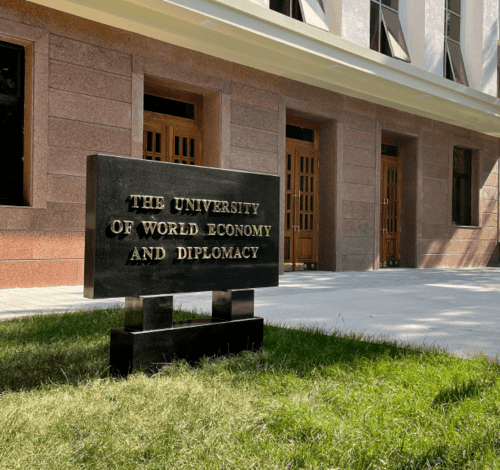
University of World Economy and Diplomacy (UWED), TashkentJune 29 - July 5, 2026
The Central Asia Summer School at the University of World Economy and Diplomacy (UWED) is an intensive, interdisciplinary academic program designed to provide a comprehensive and up-to-date understanding of the political, economic, and socio-cultural transformations shaping Central Asia in the 21st century.
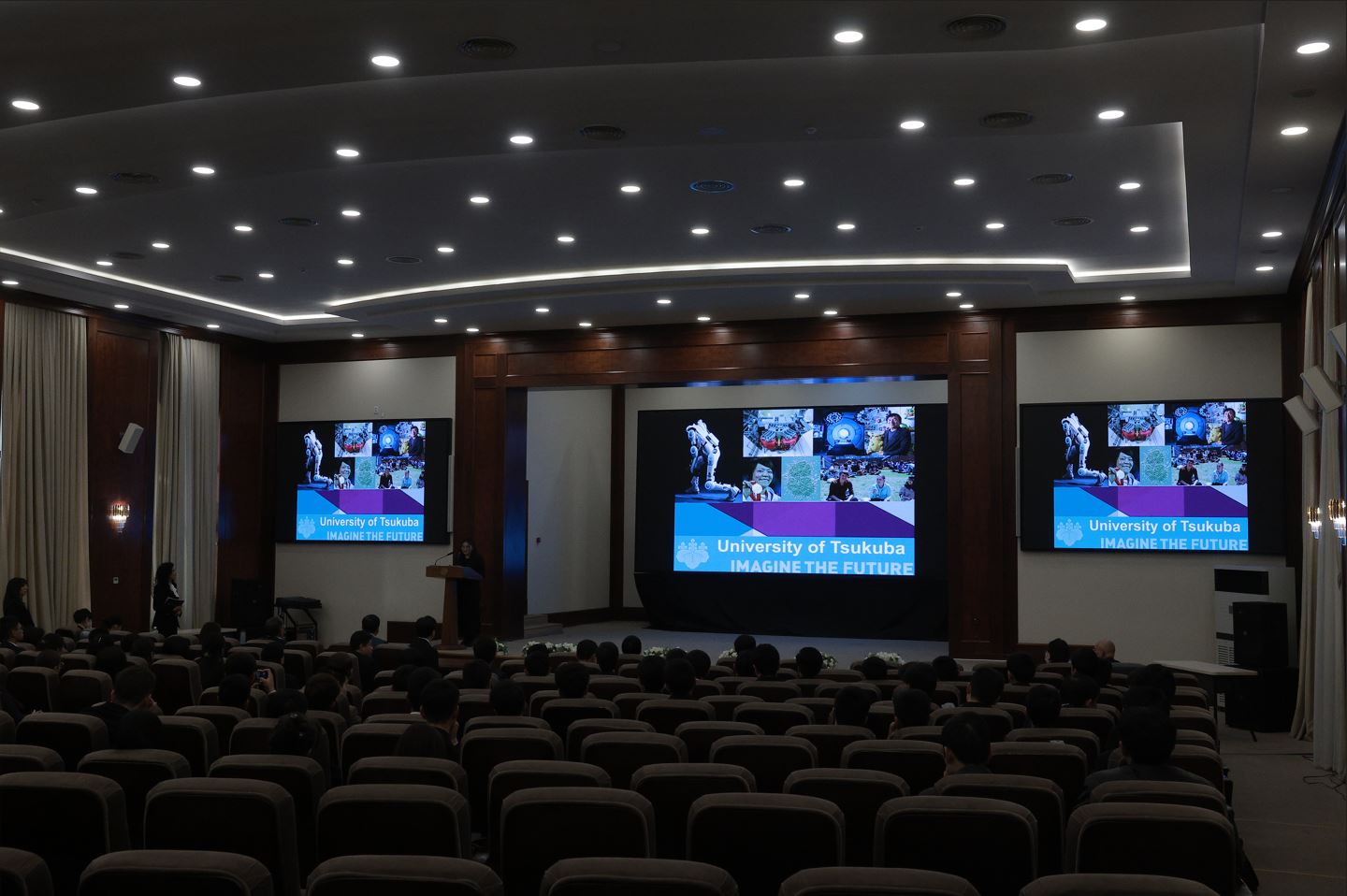
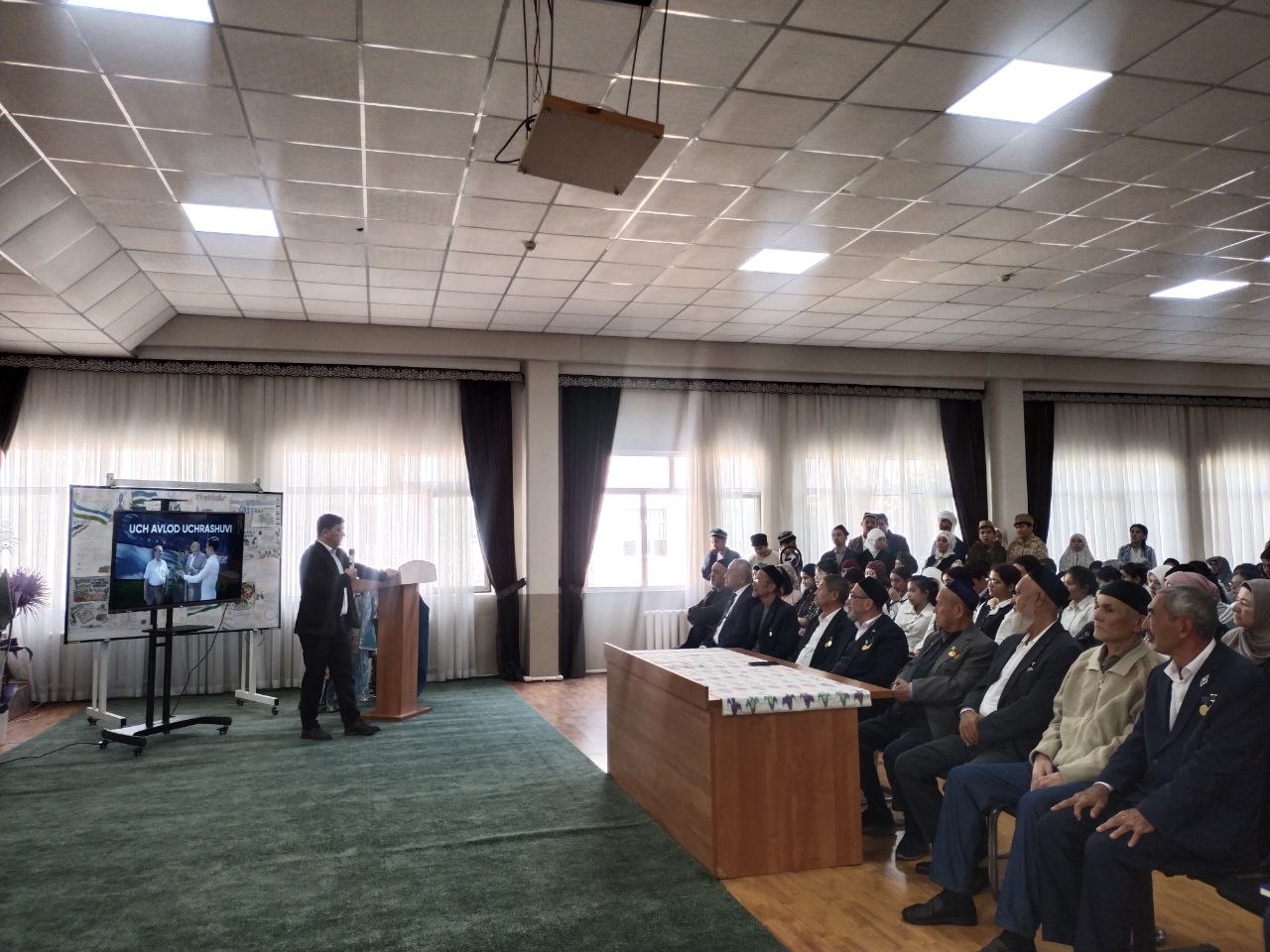
Building on the successful implementation of the Central Asia Winter School, this Summer School represents the second edition of UWED’s seasonal academic programs on Central Asian studies, further expanding its scope, thematic depth, and international engagement. The strong interest and positive feedback from the Winter School participants have reinforced the relevance of such initiatives and inspired the development of this enhanced summer format.
Taking place over seven days in Tashkent, the program combines academic lectures, high-level institutional visits, and cultural immersion, offering participants a unique opportunity to engage directly with regional experts, policymakers, and practitioners.
In the context of shifting global geopolitics, increasing regional cooperation, and ongoing domestic reforms, Central Asia is emerging as a region of growing strategic importance. This Summer School reflects these developments by focusing on contemporary policy debates, including post-Ukraine geopolitical dynamics, connectivity and trade corridors, energy transition, governance reforms, and societal change.
As one of Uzbekistan’s leading institutions in international relations, economics, and diplomacy, UWED provides a dynamic platform for critical dialogue and knowledge exchange. The Summer School builds on UWED’s academic expertise and international partnerships to foster a new generation of globally minded scholars and professionals engaged in Central Asian studies.
Objectives
To provide participants with in-depth, policy-relevant knowledge of Central Asia’s evolving geopolitical, economic, and social landscape
To examine the region’s role in the changing global order, including relations with major actors such as Russia, China, and the European Union
To create a platform for academic exchange and networking between local and international students, scholars, and practitioners
To enhance intercultural understanding through direct exposure to Uzbekistan’s rich historical and cultural heritage
To develop participants’ analytical and critical thinking skills through engagement with real-world policy challenges
Key Thematic Areas
The Summer School curriculum is structured around five interconnected thematic pillars:
1. Foundations: History, Geography, and Identity
Regional identity formation and historical legacies
State-building processes in post-Soviet Central Asia
2. Geopolitics and International Relations
Central Asia in the changing global order
Strategic competition and multi-vector foreign policies
Regional cooperation formats (C5+ and beyond)
3. Governance and Reform
Political and economic reforms in Uzbekistan
Public administration, policy innovation, and institutional development
4. Economy, Connectivity, and Energy Transition
The Middle Corridor and regional connectivity
Trade, infrastructure, and logistics
Energy geopolitics and the shift toward renewable energy
5. Society, Culture, and Sustainable Development
Identity, religion, and social transformation
Youth, migration, and education
Cultural heritage and Islamic civilization in Central Asia
Program Features
The Summer School offers a comprehensive and immersive learning experience, including:
Lectures: Delivered by leading scholars, diplomats, and policy experts on contemporary regional and global issues
Institutional Visits: Engagement with key think tanks and institutions, including the International Institute for Central Asia and the Center for Progressive Reforms
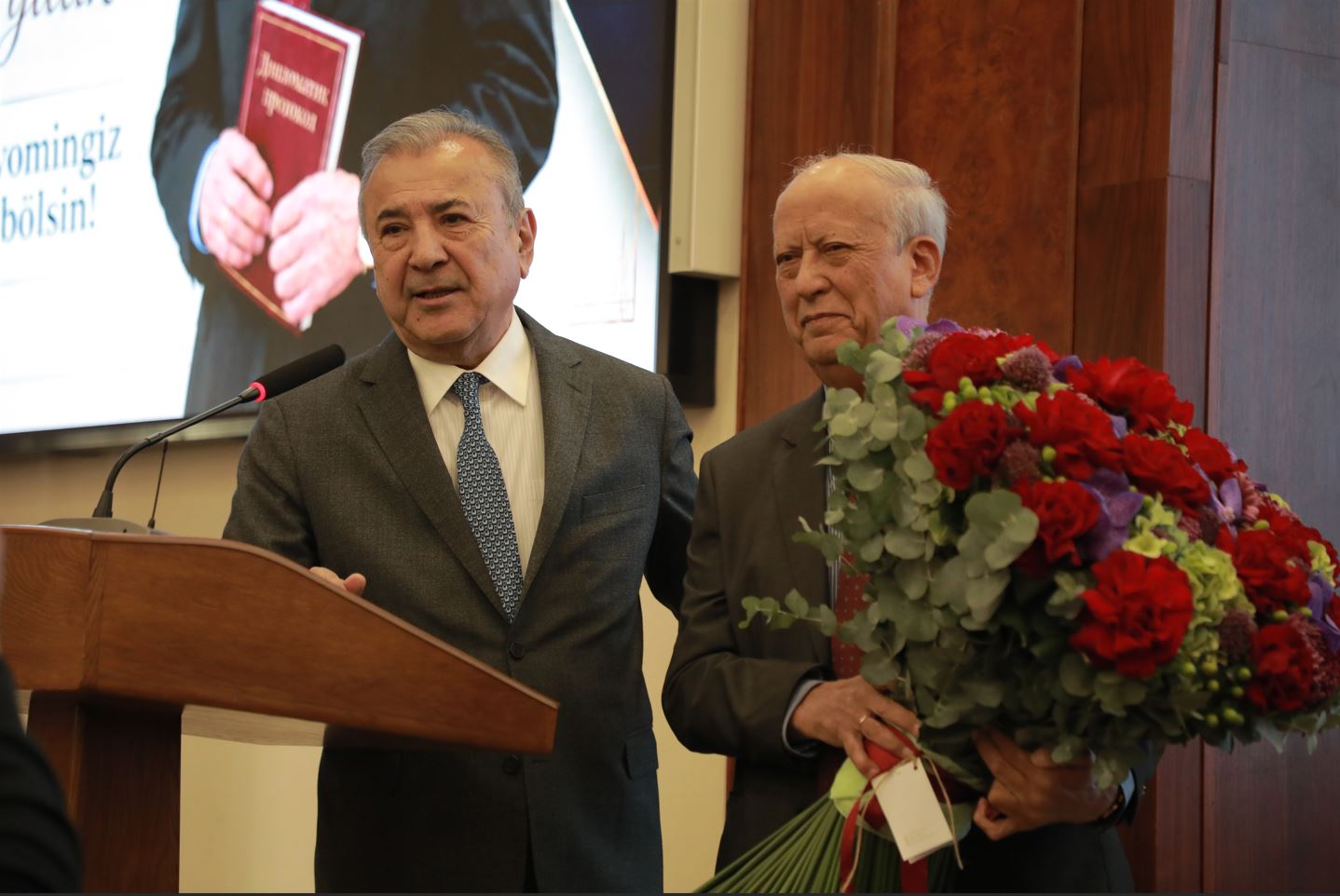
Special Guest Lectures: High-level sessions with practitioners
Cultural and Historical Excursions: Visits to major sites such as the State Museum of the History of the Timurids, Khast Imam Complex, and Chorsu Bazaar
Interactive Activities: Networking sessions, group discussions, and collaborative learning exercises
Participant Profile and Selection
The program will bring together a diverse cohort of approximately 25 participants, including both international and local students.
Advanced undergraduate, graduate students, and young professionals
Backgrounds in international relations, political science, economics, law, or related fields
Strong academic motivation and demonstrated interest in Central Asia
Application Details
Application Period: March 24 – April 24, 2026
Announcement of Results: Early May 2026
Application Fee: $20 USD (for international applicants), 240,000 UZS (for local applicants)
Participation Fee
International participants: $350 USD
Local participants: 1,500,000 UZS
Additional Participation Option
A limited number of additional places may be offered beyond the main cohort on a fee-paying basis.
Participants admitted under this category will be required to arrange their own accommodation.
A discounted participation fee will apply for these participants - $250 USD.
Selection Criteria
Academic merit
Motivation and statement of interest
Relevance of academic or professional background
Expected Outcomes
Enhanced understanding of contemporary Central Asian dynamics
Development of critical analytical and policy-oriented skills
Establishment of international academic and professional networks
Increased awareness of Uzbekistan’s reform trajectory and regional role
Strengthened appreciation of the region’s cultural and historical richness
Awarding of certificates of completion and 2 ECTS Credit Attribution Certificate to all participants
Participation & Logistics
Accommodation and lunch will be provided for international participants during program days
Local participants will receive lunch during program days
The participation fee covers all lectures, materials, and program activities
Participants are responsible for international travel, insurance, and personal expenses
Local transportation for site visits will be organized (including metro and group transport)
The working language of the program is English
What makes this Summer School unique
Strong focus on “New Central Asia” and current global dynamics
Direct engagement with policy institutions and decision-makers
Balance between academic learning and real-world exposure
Integration of geopolitics, economy, society, and culture in one program
Location in Tashkent, a key hub of regional diplomacy and reform
Important Information About Refunds
Please note that registration and admission fees are non-refundable once paid.
Immediately after registration, organizational processes begin: booking accommodation, preparing documents, administrative procedures, and coordination with experts. These fees cover the initial costs necessary for the high-quality preparation of the Summer School.
To apply, please complete the following form: https://forms.gle/qwssuvtM92vm3EKG8
If you have any additional questions, you can write to our email: international@uwed.uz with the Subject: Central Asia Summer School 2026
Detailed information about the Central Asia Winter School and its outcomes can be found at the following links: https://www.uwed.uz/news/1181 and https://www.uwed.uz/news/1195.